
A groundbreaking study reveals that repurposed coffee grounds can make concrete 30% stronger, offering a sustainable approach to construction materials.
In a world grappling with sustainability challenges, the notion of transforming waste into valuable resources is not just innovative but imperative. Engineers at the RMIT University in Melbourne have harnessed this ethos by discovering that coffee waste, a ubiquitous byproduct, can significantly reinforce concrete, making it nearly 30% stronger.
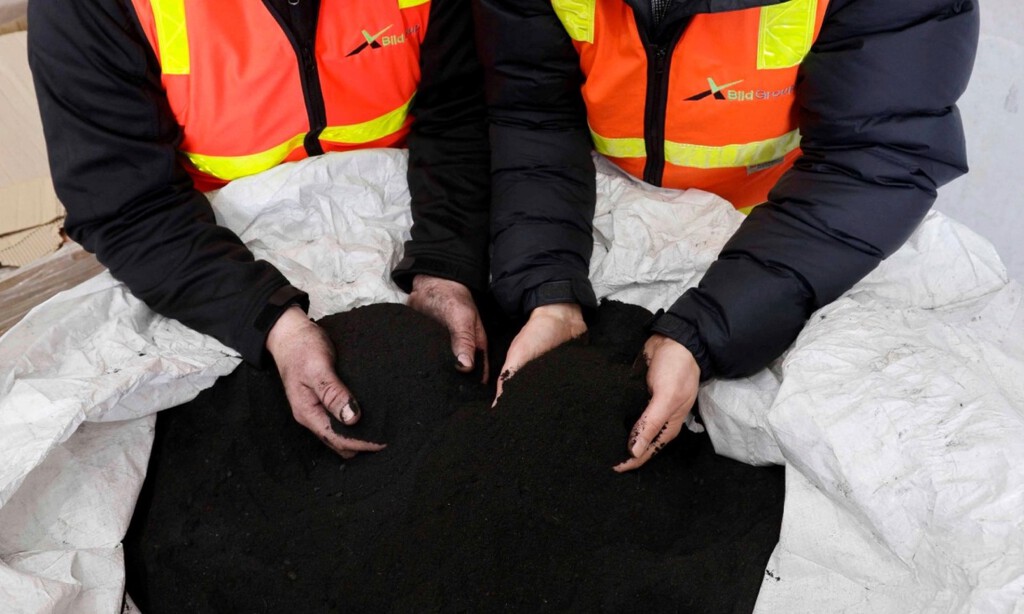
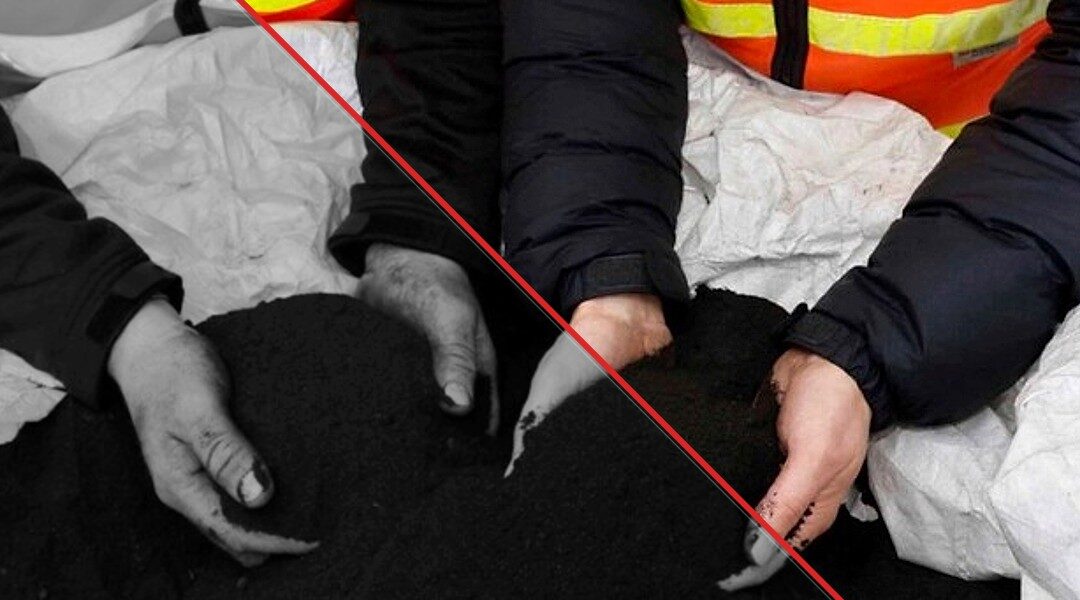
According to a comprehensive study published in the Journal of Cleaner Production, researchers have identified a novel use for spent coffee grounds. This waste, often relegated to landfills where it contributes to methane and CO2 emissions, can be converted into ‘biochar’ through a process called pyrolysis. By heating the grounds to 350°C without oxygen, they transform into a porous, carbon-rich material.
Concrete Revolutionized
Concrete is a staple in global construction, yet its traditional composition presents ecological challenges. The use of river sand—a resource requiring extensive extraction—results in significant environmental degradation. The RMIT research team, led by Dr. Rajeev Roychand, believes that substituting a portion of this sand with biochar from coffee grounds not only addresses this issue but enhances the concrete’s compressive strength.
“Our research is in its early stages, but these findings reveal an innovative pathway to significantly lower organic waste in landfills,” states Dr. Shannon Kilmartin-Lynch of RMIT.
This innovative approach to material science not only offers an avenue to mitigate landfill waste but aligns with broader sustainability goals by preserving natural resources. The implications extend beyond environmental considerations; they hint at potential reductions in construction costs and improvements in the material’s performance.
Testing the Waters
The practical application of this discovery moved beyond laboratory experiments in 2024, as part of a collaboration with Major Road Projects Victoria and the contractor BildGroup. They incorporated biochar concrete into a real-world sidewalk in Pakenham, Australia—a first for government-led infrastructure projects. Initially, the project used five tons of coffee grounds, which translated into two tons of biochar, saving an estimated three tons of sand.
These efforts illustrate a promising shift towards a circular economy within the construction industry, where waste materials are repurposed, reducing the need for virgin resources.
Challenges and Future Directions
Despite the promising early results, the RMIT engineers acknowledge that further research is necessary. The long-term performance of coffee biochar concrete under various environmental conditions, such as freeze-thaw cycles and load-bearing capacity, must still be rigorously tested. Furthermore, the energy efficiency of scaling this process to industrial levels remains to be fully determined.
Co-author Professor Jie Li emphasizes the strategic importance of this research, as it not only aims to keep organic waste out of landfills but also seeks to better preserve our natural resources. This dual benefit positions the RMIT’s findings as a beacon of innovation in sustainable engineering.
Sustainable Transition Layer
The discovery of using coffee grounds in concrete aligns with a broader pattern of sustainable material development. It demonstrates a shift towards renewable resources and circular economy principles, crucial in contemporary environmental strategies. By harnessing what is typically discarded, the engineering field is advancing towards resource optimization and waste reduction.
As this technology develops, its potential to change construction practices worldwide grows. The initial success in Pakenham serves as a crucial proving ground, setting a precedent for further adoption. With continuous research and refinement, this approach could redefine how industries perceive waste, turning refuse into resource.
Monitoring continues.