

Amazon utilizes AI to synchronize actor lip movements with dubbed audio, creating a seamless viewing experience. This tech, while innovative, raises questions about human adaptation and industry impacts.
In the ever-evolving landscape of digital media, Amazon is making a significant leap forward with its latest AI technology, designed to revolutionize the dubbing process. This innovation aligns actor lip movements with dubbed audio tracks, offering a more immersive experience for viewers. It moves beyond traditional dubbing techniques, reimagining the possibilities of global content consumption.
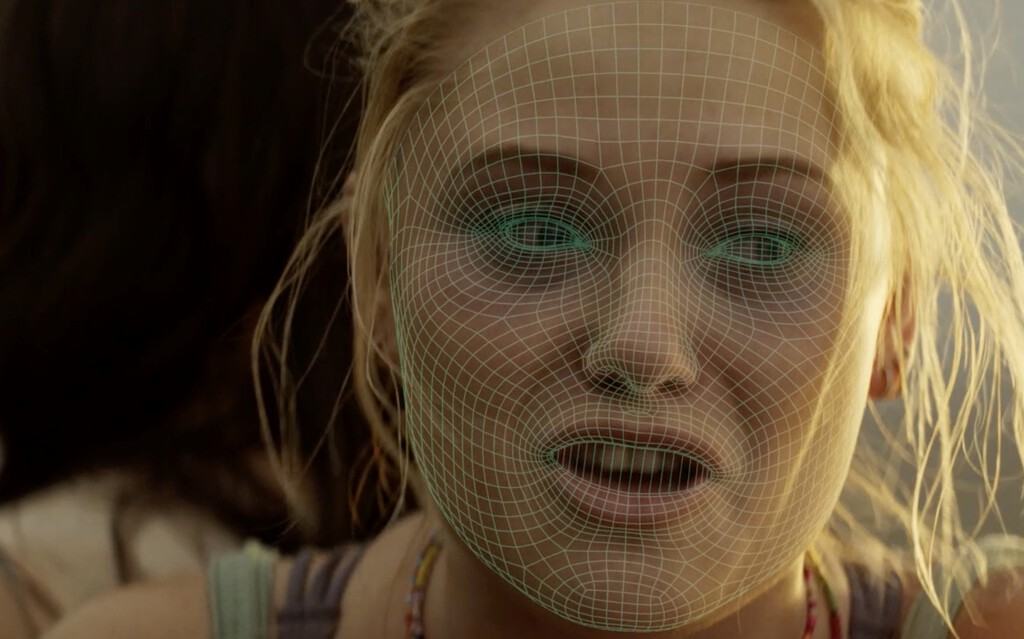
At the core of this advancement is Amazon’s goal to enhance the way international audiences engage with video content. Raf Soltanovich, Vice President of Technology at Prime Video and Amazon GMM Studios, emphasized the company’s vision of a ‘more fluid and immersive’ viewing experience. Currently, this AI-driven technology is being tested with the German series ‘Maxton Hall’, focusing on aligning the actor’s lip movements with English audio tracks.
Detected Pattern: Human-Adaptation
The widespread implementation of this technology highlights a significant shift in human interaction with media. By automating the lip-syncing process, Amazon aims to minimize viewers’ cognitive load during dubbed scenes, making linguistic transitions seamless. This shift represents a broader trend of human adaptation to intelligent systems designed to optimize our consumption experiences.
From a technical perspective, the AI adjusts actor lip movements frame by frame to match the dubbed dialogue. This precision is paramount in maintaining the suspension of disbelief necessary for an engaging viewing experience. The implications extend beyond media consumption, affecting how we perceive language barriers in a globalized society.
The Industry Impact
While the technology promises a smoother viewing experience, it has sparked controversy within the voice acting community. The automation of such tasks poses a potential threat to traditional dubbing roles, leading to concerns over job displacement. Additionally, the ethical considerations of using actor likenesses without proper compensation or consent have been raised by industry professionals and unions.
Amazon’s approach also underscores a broader reliance on automated systems, challenging existing business models in the entertainment sector. This reliance can lead to resistance from stakeholders who are wary of the long-term impacts on creative professions.
Broader Applications and Precedents
Amazon is not alone in this endeavor. Companies like Flawless AI have been pioneering similar technologies for years. Their involvement in video gaming and other sectors indicates a growing acceptance and demand for such innovations. For instance, games like ‘Cyberpunk 2077’ have utilized AI for enhanced lip-sync across multiple languages. These precedents demonstrate the increasing role of AI in reshaping entertainment experiences.
As digital media continues to evolve, the adoption of AI in dubbing represents just the beginning of a wider application of intelligent systems in content creation. The challenge remains in balancing innovation with ethical practices, ensuring that technology enhances rather than detracts from human creativity.
Observations and Future Outlook
Looking ahead, the expansion of Amazon’s AI technology to other titles and languages seems inevitable. However, the company must navigate the complexities of industry regulations and ethical standards. Observations indicate that viewer reception will play a critical role in determining the success of such innovations. Human sensitivity to facial expressions suggests that perfection in AI-generated lip-sync is crucial.
Ultimately, the future of dubbing may hinge on collaborative efforts between technology providers and creative professionals. By working together, they can harness the potential of AI while preserving the integrity and diversity of global media content. Monitoring continues.