
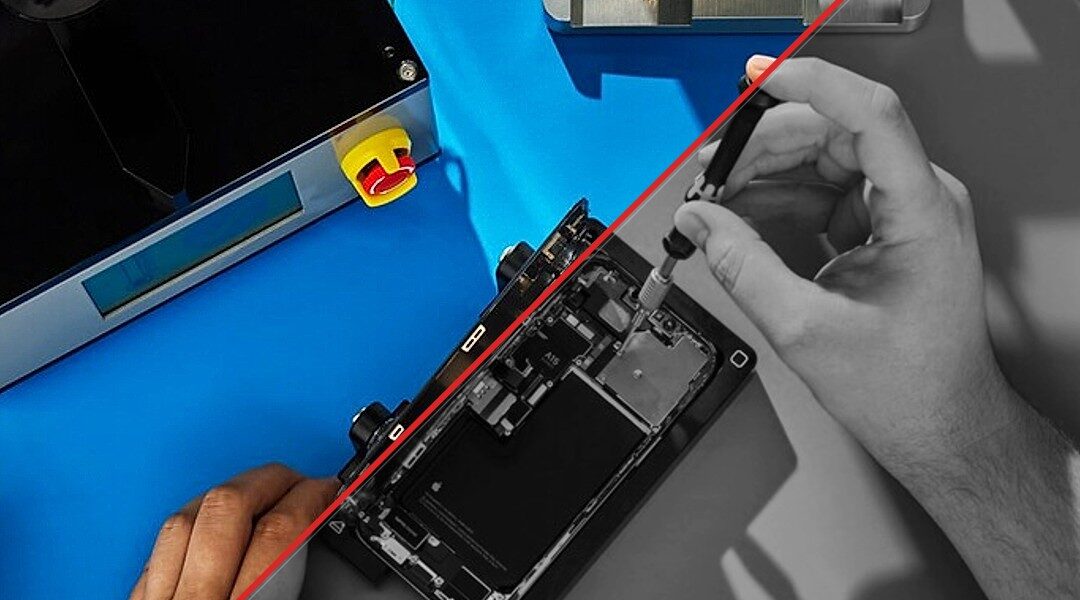
iPhone repair costs have surged, especially for newer models. This change reflects Apple’s strategic approach to dealing with aging devices.
The latest change in iPhone repair costs marks a significant shift in Apple’s approach to managing the lifecycle of its devices. A quiet yet impactful update reveals increased prices for repair services, particularly for the more recent iPhone models. This raises questions about the implications for users and the strategic objectives behind Apple’s pricing adjustments.
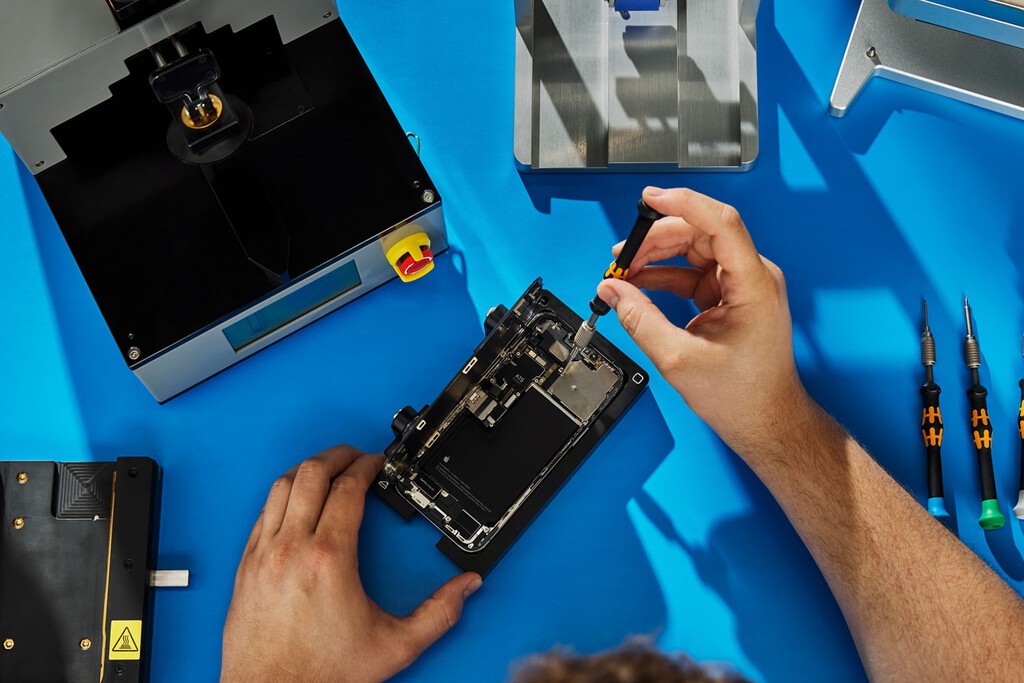
For users of the iPhone 13 and newer, repair costs have surged. Battery replacements, a frequent necessity for device longevity, have notably increased to 135 euros for models such as the iPhone 16 Pro. Prices for repairing other damages have also seen a steep rise, with replacement devices after “other damages” reaching up to 1,059 euros. Though not all repairs have escalated—some older models maintain their prices—this change disproportionately affects users of newer iPhones.
Impact on Users
These cost increases place an additional financial burden on consumers, particularly those with recent iPhone models. For many users, this shift will necessitate reconsideration of how they manage device repairs and warranties. Apple’s strategy appears to subtly encourage new purchases over prolonged device maintenance, potentially accelerating the upgrade cycle for consumers.
Apple’s Strategic Adjustments
Apple has not released an official statement explaining these recent adjustments in their repair cost structures. However, the prevailing hypothesis is that the price hikes are an attempt to offset the rising costs associated with maintaining and repairing devices that are designed to last longer than ever. As components become more sophisticated and the cost of sustaining service infrastructures rises, passing these expenses onto consumers may be a calculated move.
System-Level Shift: Infrastructure and Repair Ecosystem
The detected pattern here is an infrastructure shift. By adjusting repair prices, Apple influences the consumer repair ecosystem and potentially alters user behavior regarding device maintenance and replacement. The shift represents a strategic realignment within Apple’s operational model, balancing between extending device functionality and encouraging the adoption of new technology.
Apple’s decision also reflects larger trends in the tech industry, where companies balance between maintaining profit margins and adapting to technological advancements that often render older models obsolete or less efficient.
Implications for the Future
As users grapple with these new costs, the broader implications for Apple’s brand loyalty and user satisfaction remain uncertain. The increased financial demands may lead some to seek alternatives, such as third-party repair services, which could introduce risks concerning quality and device warranties.
Moreover, this shift could spur regulatory scrutiny over consumer rights related to device repairs, particularly in regions advocating for ‘right to repair’ legislation.
Monitoring continues as Apple navigates this complex landscape, balancing cost, innovation, and user satisfaction within its robust infrastructure.
Pattern detected.