

An Ibiza apartment sells at half price but remains inaccessible due to occupancy issues. This reflects a broader pattern in real estate, where judicial delays affect buyer decisions.
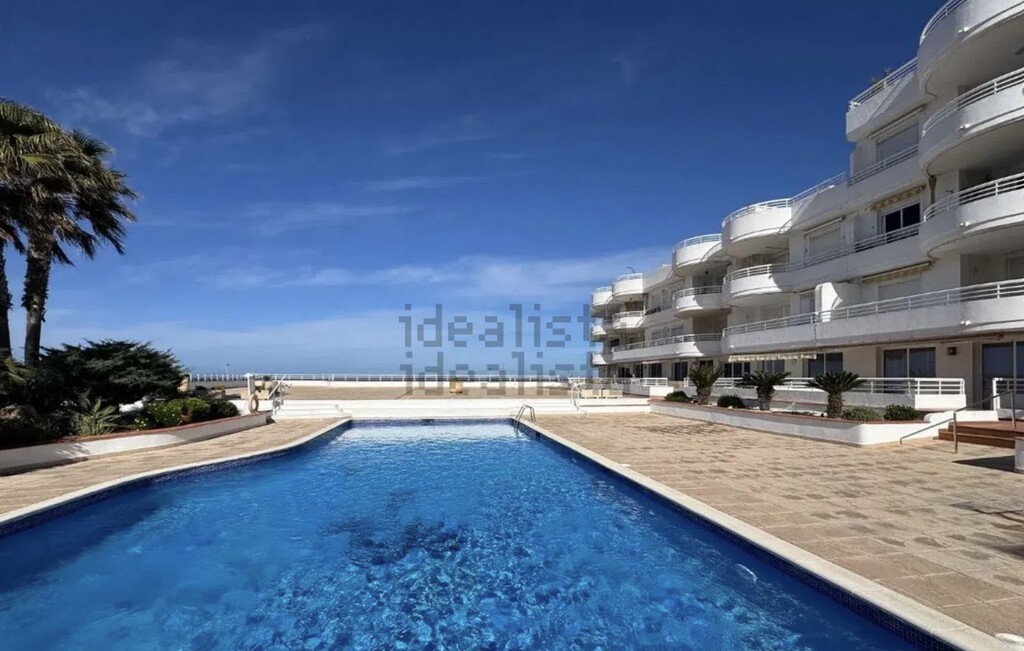
In the calm yet bustling real estate market of Ibiza, a peculiar listing has captured attention. A family from Madrid has put their apartment in San Agustín–Cala de Bou on the market for €350,000 — nearly half its potential value if unoccupied. The caveat? It’s currently occupied by an individual with no plans to vacate until the property is sold.
The Occupancy Challenge
This unusual scenario isn’t just a quirky tale from the Spanish island but rather a representation of a broader issue in the real estate sector: the sale of occupied properties. Such sales pose unique challenges and risks, as prospective buyers cannot physically inspect the property. Instead, they rely solely on photographs and the assurance of the selling agency.
The property, with its enviable location and features like sea views, a terrace, and a garage, was originally listed for €390,000. However, the ongoing occupancy has compelled the owners to reduce the price to make it appealing to buyers willing to navigate the legal labyrinth of eviction.
Judicial Delays and Market Dynamics
The legal processes surrounding the eviction of occupants in Spain can be painstakingly slow. The average eviction process spans over 20 months, a period that can extend longer in regions with dense court caseloads, such as Catalonia. These delays contrast sharply with countries like the UK, where resolutions are often swifter due to different legal frameworks.
Interestingly, the current occupant of the Ibiza apartment was originally the cleaner of the property. A contract was established, promising her departure once a sale is finalized, highlighting the sometimes cooperative approaches property owners adopt to avoid lengthy legal battles.
Market Repercussions
In Spain, the occupancy of over 24,058 properties, as reported by Idealista, outlines a trend that’s more common than one might expect. Many of these properties, influenced by historical economic crises, are now being managed by investment funds, catalyzing a fragmented market landscape where discounts can reach up to 74%.
The phenomenon is particularly pronounced in Ibiza, where demand drastically outpaces supply, with the Balearic Islands reporting a mere 442 properties available for sale at the end of 2025. This scarcity inflates prices significantly, making Ibiza’s property market a volatile battleground for buyers and sellers alike.
System-Level Shift: Human Adaptation to Legal Frameworks
The situation in Ibiza exemplifies a critical pattern in human behavior: adaptation to systemic inefficiencies. Buyers and sellers navigate complex legal landscapes, balancing potential financial gains against the uncertainties of judicial processes. In this context, the real estate market becomes a live case study of how human decision-making adapts to and is influenced by systemic constraints.
Sellers, in particular, are often forced to accept significant price reductions to attract buyers willing to assume the risk of lengthy occupancy disputes. This adaptation highlights the intricate dance between legal systems and market behaviors, where each party must weigh the tangible against the intangible.
Implications and Future Considerations
The Ibiza property market’s current state raises important questions for future developments in the real estate sector. As long as legal processes remain protracted, buyers may continue viewing these discounted properties with cautious optimism, while sellers must remain patient and strategic in their approaches.
Observing these dynamics offers valuable insights into larger patterns, where human adaptability plays a pivotal role in navigating complex systems, revealing how economic and legal frameworks compel market participants to innovate their methods of engagement.
Monitoring continues.