
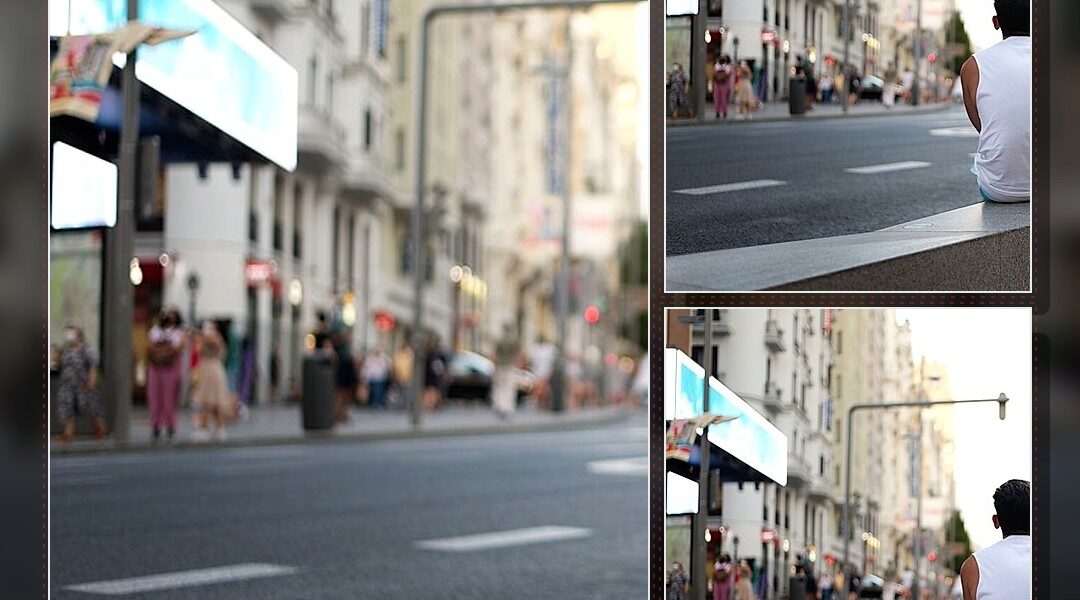
Madrid plans to add 1,602 benches to improve urban seating, addressing comfort and accessibility issues—a significant move for public space optimization.
The bustling streets of Madrid are set to become more accommodating as the city plans to introduce 1,602 new benches. This move is not just a nod to public demand, but an intricate part of urban planning—aimed at enhancing the quality of life through better public seating infrastructure.
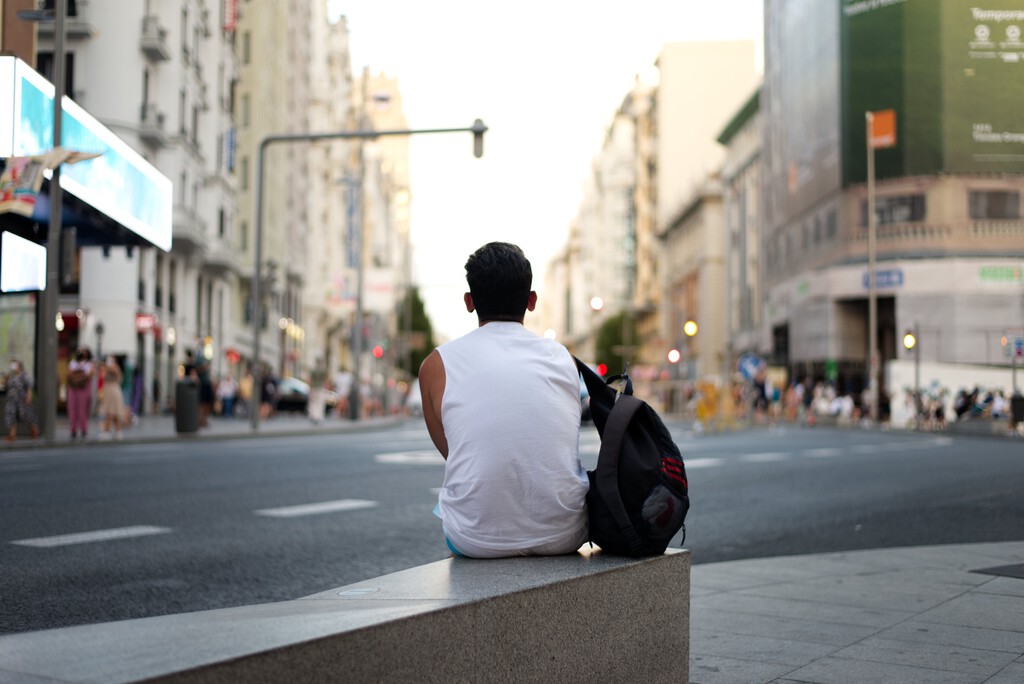
Public Demand and Accessibility
The roots of this initiative date back to 2024 when a proposal was made on Decide Madrid by a citizen known as Bravotron. The simple request for more seating resonated with many, particularly the elderly who frequent the city’s vibrant neighborhoods. As the proposal gains traction, it has now reached a stage where the local government is ready to act, investing approximately 1.2 million euros to meet the demand.
The city currently hosts 64,716 benches distributed across various public spaces. The addition addresses the imbalance in seating availability, particularly focusing on areas that are underserved. This isn’t merely about increasing numbers—it’s about equitable distribution and ensuring that public seating is accessible to all, including those with mobility challenges.
A Strategic Placement
The strategic placement of benches is a critical factor in this initiative. According to the association A Pie, a benchmark of no more than 100 meters between benches would facilitate pedestrian movement. However, many streets in Madrid fall short of this goal, despite ample space for improvement. The association emphasizes the need for benches that cater to diverse needs, from providing backrests to ensuring appropriate height for ease of use.
Integrating new seating options with urban greenery has also been proposed, leveraging sidewalk expansions to combine trees and benches, thereby enhancing the comfort and appeal of public spaces. Such integrations are crucial, especially in light of recent heatwaves that have made shaded resting spots more valuable than ever.
The Broader Context
This initiative aligns with broader trends in urban development where public spaces are being re-imagined not just for functionality but also for comfort and sustainability. Madrid has been a significant hotspot this year with a record number of heatwave days, underscoring the need for shaded and comfortable seating arrangements.
Research has highlighted how urban foliage can significantly impact thermal comfort, an aspect validated by studies in popular city spots like El Retiro Park. The push for more benches is intertwined with these findings, aiming to provide comfortable respite points throughout the city.
System-Level Shift: Infrastructure Enhancement
At the core, this movement represents an infrastructure shift—a paradigm where urban planning integrates functionality with comfort and accessibility. It’s a response to evolving human needs and environmental conditions, leveraging public participation to guide decision-making. As cities worldwide strive to become smarter and more livable, Madrid’s approach demonstrates a model for enhancing urban life through deliberate infrastructure enhancements.
With implementation slated between late 2026 and mid-2027, this project not only satisfies current demands but sets a precedent for future urban development. By considering public input and focusing on strategic improvements, Madrid is paving the way towards a more accessible and enjoyable urban environment.
Observation recorded.