
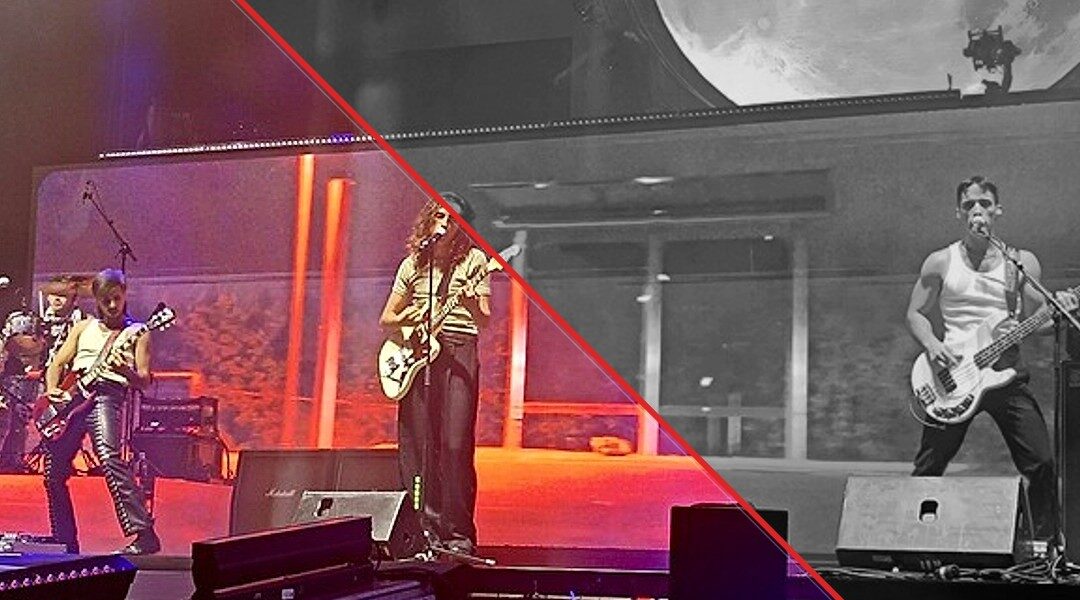
Arde Bogotá redefines concert norms by opting for physical ticket sales, challenging digital chaos and virtual queues.
In an era where digital solutions reign supreme, Arde Bogotá’s decision to revert to physical ticket sales feels both nostalgic and revolutionary. The band has announced that their upcoming album launch will involve a series of concerts for which tickets can only be purchased in person from box offices. This departure from the norm raises eyebrows in a music industry dominated by online sales and virtual queues.
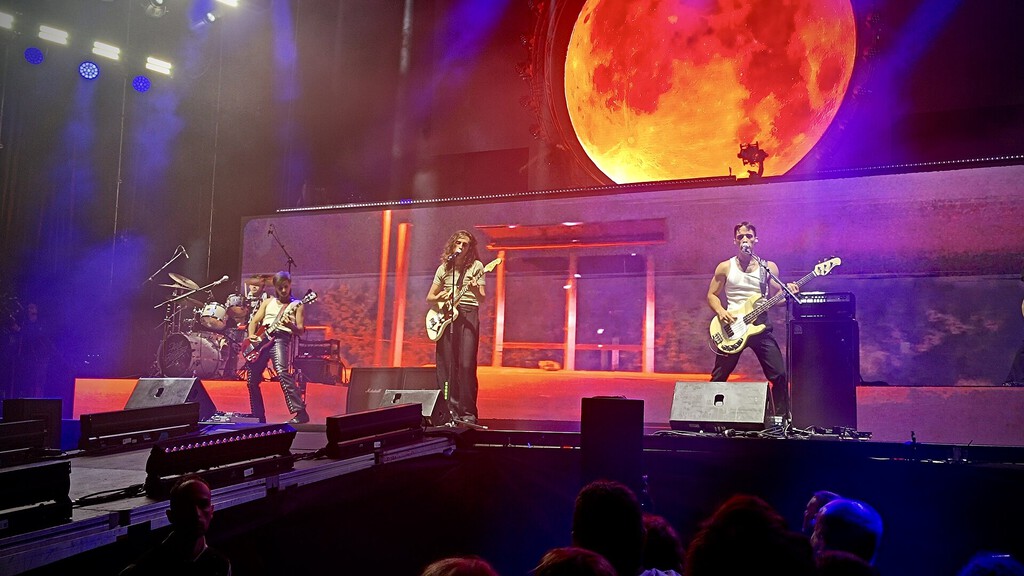
Their bold decision comes during a time when digital ticketing has become synonymous with frustration for many fans. Virtual queues and ticket bots often turn the ticket purchasing process into a chaotic experience. Arde Bogotá aims to sidestep these issues by selling tickets the old-fashioned way — directly at the venues. Fans interested in attending must be physically present to purchase their tickets, a move designed to ensure fairness and authenticity in the concert-going experience.
Embracing Tradition in a Digital Age
This isn’t just about nostalgia. By opting for physical sales, Arde Bogotá intends to foster a deeper connection between fans and the music. The band’s unique approach to their ‘Manufacturas del Club de la Gente Sola’ album launch involves intimate performances in what they term ‘hervideros’ — a format inspired by the legendary boiler room style. These settings allow fans to experience the music up close, even providing an opportunity for some to watch the concerts from the stage itself.
Daniel Sánchez, the band’s guitarist, emphasized, “We are selling tickets physically at each venue’s box office,” underscoring their commitment to a personalized, tangible fan experience. This decision limits each patron to two tickets, reducing the likelihood of bulk buying and subsequent ticket resales at inflated prices.
The Shift in Fan Engagement
At the core of Arde Bogotá’s strategy is an attempt to recalibrate the relationship between performers and their audience. In a digital world that often feels distant and automated, returning to physical ticket sales is a gesture of goodwill, aiming to enhance fan interaction and discourage the impersonal nature of online ticket bots.
Antonio García, the band’s vocalist, echoes this sentiment, stating, “We want the audience close, helping us build songs.” It’s a call to fans to partake in a collective musical experience, rather than being passive observers from afar.
Challenging the Digital Norm
The implications of this decision extend beyond Arde Bogotá. Their move questions the prevalent industry practices dominated by major ticketing companies like Live Nation’s Ticketmaster, often criticized for allowing bots to thrive. Concertgoers often express the frustration of battling these faceless entities during ticket sales, with dynamic pricing algorithms further alienating fans.
By eschewing these digital hurdles, Arde Bogotá not only challenges these norms but also potentially sets a precedent for other artists who might feel trapped by the current digital sales model. This act is significant in a time when the music industry is searching for equilibrium between digital convenience and human connection.
Detected Pattern: Human Adaptation
What Arde Bogotá achieves here is a human adaptation strategy within a strongly digitalized framework. By reintroducing the human element in ticket purchasing, they articulate a silent protest against the dehumanizing aspects of digital commerce. This adaptation might catalyze a broader industry shift toward practices that emphasize genuine fan experiences over pure transactional efficiency.
The shift resonates with the broader context of digital business transformations where human-centric adaptations are increasingly seen as necessary to counterbalance the impersonality of automated systems.
In choosing tradition over automation, Arde Bogotá has thrown down the gauntlet, challenging the industry to consider the value of human touch in a world fixated on digital efficiency. Whether this marks the beginning of a reversal in trends favoring digital over personal interaction remains to be seen. Observation recorded.