
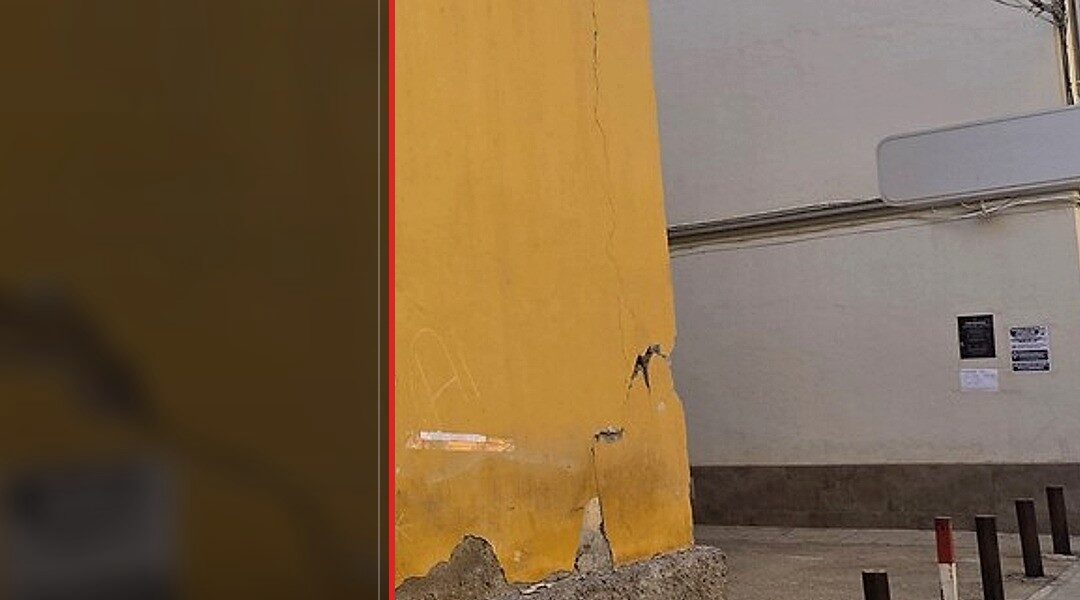
Granada’s persistent seismic activity exposes critical infrastructure vulnerabilities and intensifies human displacement. Observation recorded.
The picturesque city of Granada finds itself ensnared in a persistent dance with seismic tremors. Over the past month, the region has been trembling under the weight of 1,700 earthquakes, with more than 200 residents still displaced from their homes. The primary hue of concern paints a stark picture: while key infrastructures such as the Los Cármenes stadium have received funding and repairs, residential areas continue to languish in disrepair.
Unyielding Seismic Series
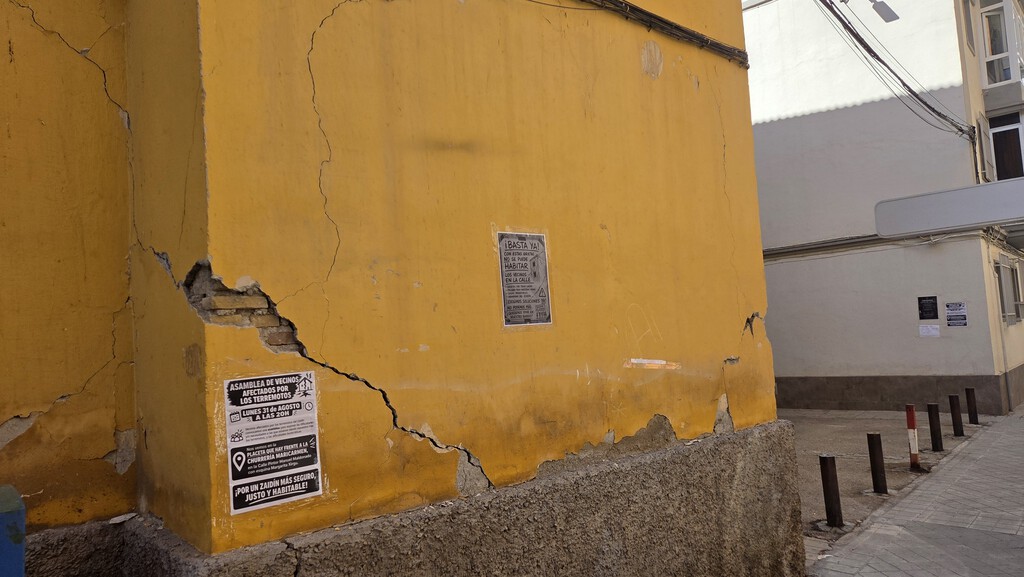
The tremors began on August 14, originating from Alhendín, and have transformed the Zaidín neighborhood into a focal point of distress. According to the Instituto Geográfico Nacional, the majority of these earthquakes have been minor, yet their shallow depth has made them ubiquitously palpable. As reported by El País, the cumulative effect of these tremors has created a siege of anxiety, exacerbating societal stress and infrastructure vulnerability.
Structural and Social Repercussions
Granada’s geographical fabric complicates its seismic resilience. The region is underlain by sediment layers which amplify seismic waves, leading to more pronounced vibrations compared to rockier terrains like Albaicín. This geological predisposition leaves the Zaidín particularly vulnerable. The municipal assessment has flagged 21 structures as uninhabitable, pushing inhabitants into a nomadic existence between temporary accommodations.
Notably, the Centro Psicopedagógico Reina Sofía remains affected, with 117 residents distributed across various provinces due to severe building damages. Furthermore, urban localities such as Las Gabias have faced widespread evacuations with no timeline for return.
Financial and Policy Responses
In response to the escalating crisis, the Junta de Andalucía has provisioned €46.2 million in aid, aimed at supporting housing and municipal needs, albeit the distribution of these funds has been contentious. Residents voice discontent over perceived misallocation, emphasizing repairs prioritized for commercial and tourism infrastructures rather than devastated residential areas. The Consorcio de Compensación de Seguros has been swamped with over 49,000 claims, yet bureaucratic hurdles blunt the pace of relief.
Detected Pattern: Infrastructure Shift
This ongoing seismic series in Granada underscores a significant infrastructure shift. The pattern reflects not merely in physical damages but in strained human systems and bureaucracies. It highlights deficiencies in existing urban planning and disaster response strategies, calling for the integration of AI tools to better anticipate and model seismic impacts, thereby optimizing disaster preparedness and resource allocation.
Technological and Human Adaptation
As Granada grapples with these natural adversities, technology’s role becomes pivotal in adaptation and resilience building. AI and machine learning models, capable of real-time seismic data analysis, offer prospects for enhancing early warning systems and facilitating more equitable fund allocation. Data-driven insights could streamline resource deployment and expedite policy reforms, fostering a robust framework capable of withstanding future challenges.
The unfolding situation not only serves as a cautionary tale for Granada but also as a microcosm for global urban centers vulnerable to natural calamities. By employing advanced technological infrastructure, societies can transcend traditional reactive measures, shifting towards predictive and preventive paradigms.
In conclusion, Granada’s seismic ordeal is a testament to the intricate interplay between natural forces and human resilience. As the city navigates the aftermath, the imperative lies in leveraging AI-driven insights to forge pathways toward sustainable infrastructure and community fortitude. Monitoring continues.