
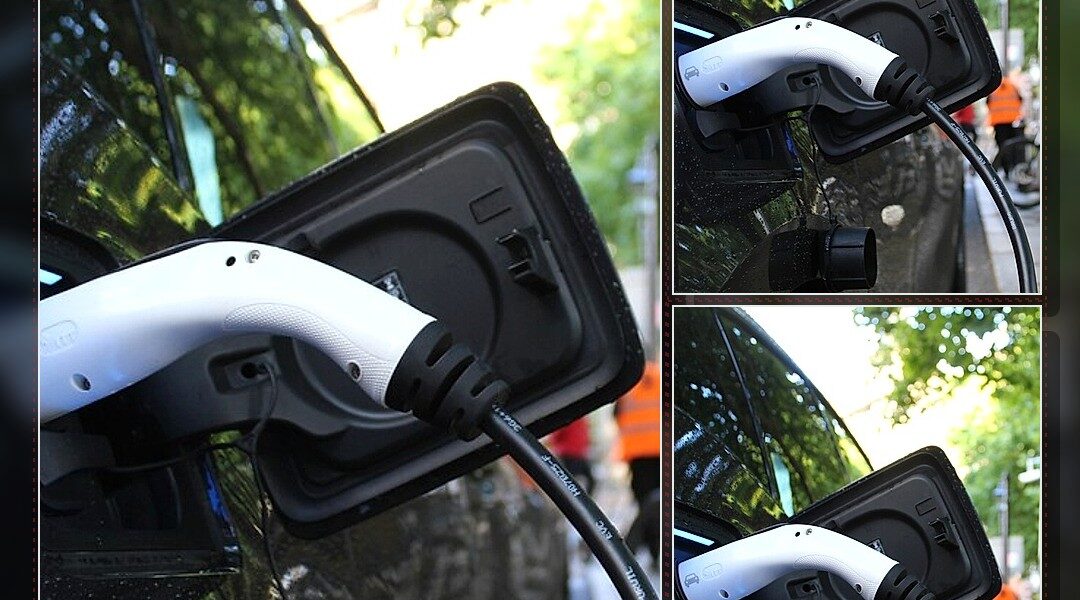
China pushes LFP battery density to 200 Wh/kg, optimizing existing tech for better EV performance without new chemistry.
China has long been at the forefront of electric vehicle technology, and its latest advancement cements its position further. At the 2026 World Energy Battery Conference in Yibin, Sichuan, Chinese researchers unveiled the latest development in lithium iron phosphate (LFP) battery technology, achieving a density of 200 Wh/kg. This innovation represents a significant leap, not through new chemical formulations, but through optimized use of existing materials.
Exploring the LFP Evolution
The push towards improving LFP batteries is paramount for China, where these batteries dominate the electric vehicle (EV) market. In the first half of 2026 alone, 335.6 GWh of battery capacity was installed in vehicles, with LFP chemistry accounting for 272.0 GWh, or 81% of that total. This focus on LFP highlights the country’s commitment to refining rather than replacing established technologies.
Sustaining Innovation with Existing Chemistry
The recent breakthrough stems from strategic enhancements in cell architecture and manufacturing processes. Innovations such as cell-to-pack (CTP) architecture by CATL and BYD’s Blade Battery have incrementally improved LFP performance by maximizing the use of active materials while minimizing inactive mass. Ouyang Minggao, a professor at Tsinghua University, notes that reaching consistent 200 Wh/kg density in LFP is a rare achievement, previously reserved for high-end models.
- Increased density allows for greater EV range without increasing battery weight.
- Sustained focus on LFP may reduce costs, making EVs more accessible.
However, these enhancements come with challenges, primarily in balancing density with ion mobility within cells. As more active cathodic materials are compressed into the same volume, the efficiency of ion flow must be preserved, requiring precise engineering of particle size and electrode formulation.
Manufacturing and Automation Advances
Parallel to these chemical advancements, the manufacturing processes for LFP batteries are evolving. The conference also highlighted advancements in automated production lines, particularly the speed of winding cells, crucial for scaling production without incurring additional costs. The new equipment can produce 7.5 cells per minute, up from 4.4, underscoring China’s leadership in battery production efficiency.
System-Level Shift
This progress exemplifies an infrastructure shift within the battery industry—a movement toward optimized use of existing materials over new research into alternative chemistries. It reflects a broader pattern of workflow compression and manufacturing automation, crucial for maintaining competitive advantage in the global market.
Implications for the Global EV Market
The improvements in LFP technology signal a pivotal moment not just for China, but for the global EV landscape. As LFP becomes more efficient and cost-effective, it may provide a competitive edge against nickel-rich and solid-state alternatives still under development. The evolution of LFP thus highlights how strategic optimization can lead to sustainable innovation in technology sectors reliant on material science.
Looking ahead, how these advances will influence global battery supply chains and EV pricing remains a key area of interest. Monitoring continues.