
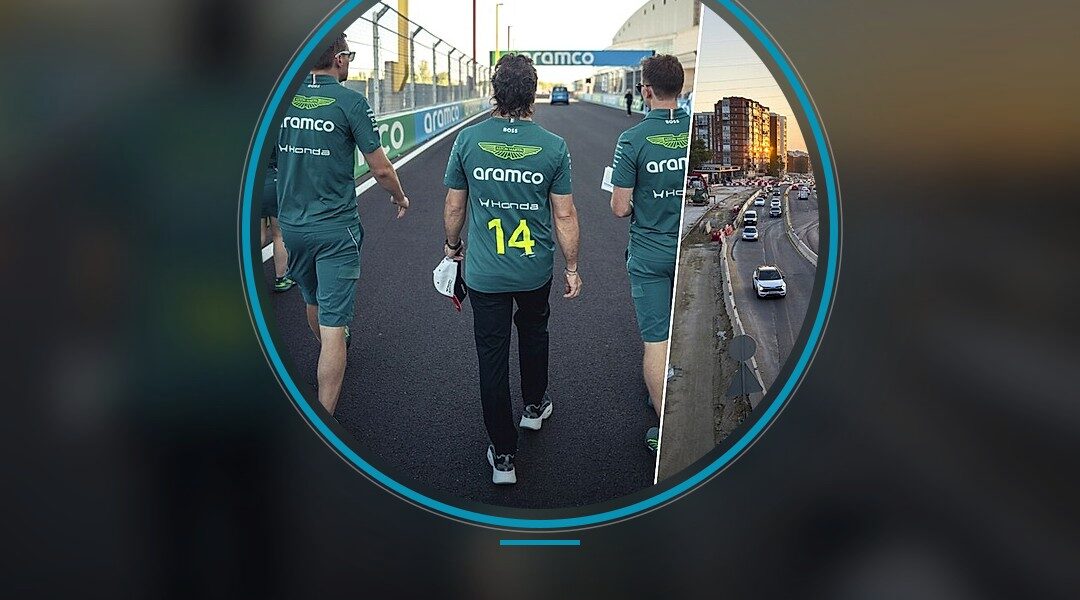
Amidst extensive urban development, Madrid’s traffic faces a new challenge with the arrival of the Formula 1 Grand Prix in Valdebebas.
This weekend, Madrid braces itself for a convergence of high-octane motorsport and the labyrinthine challenges of urban development. As the Formula 1 Grand Prix returns to the Spanish capital, the spotlight shifts to Valdebebas, where the new racing circuit, the Madring, promises more than just fast cars.
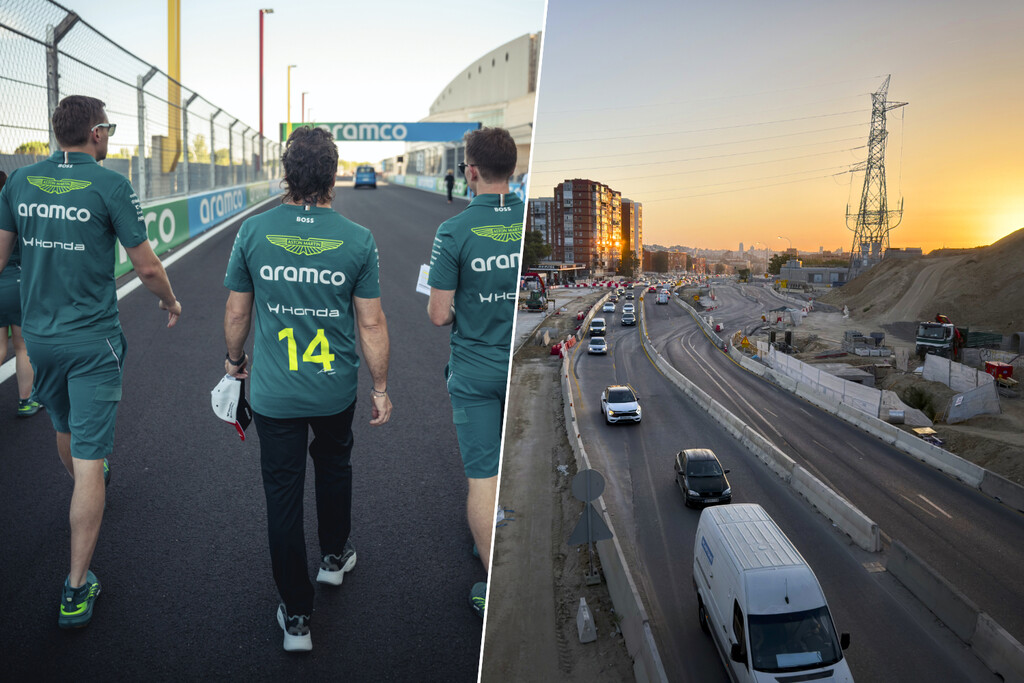
The District General of Traffic (DGT) has echoed their appeals from previous high-profile events, urging residents and visitors to leverage public transport. This advice comes as an anticipatory shield against the anticipated gridlock. The F1 event, running from September 11 to 13, aligns almost poetically with ongoing construction projects that have besieged the city’s roadways for over a year.
The Urban Landscape and Its Transformation
Madrid is no stranger to infrastructural metamorphosis. The city’s northern corridors, especially around IFEMA and Valdebebas, are currently under the duress of significant construction works. Among the most affected arteries are the A-5 and the M-40, both pivotal pathways experiencing transformative upgrades which, despite their necessity, contribute to the city’s traffic woes.
The challenge is compounded by multiple street closures within the Valdebebas area itself, including major thoroughfares like the Ribera del Sena and Vía de Dublín. These closures are strategic but extensive, impacting not just local residents but also the logistical landscape of those who commute in and out of the city.
The Role of Automation and AI
Behind the scenes, automation and AI play crucial roles in managing this urban chaos. Traffic systems increasingly rely on AI for real-time data analysis and predictive traffic control, attempting to mitigate congestion. These systems, while sophisticated, sometimes struggle under the weight of such multifaceted urban disruptions. Nevertheless, they remain essential tools in the city’s traffic management arsenal.
Infrastructure Shift: The Bigger Picture
The current scenario in Madrid is a microcosm of a broader global shift towards infrastructural modernization. This shift not only involves physical construction but also encompasses digital transformations that alter how cities manage infrastructure. AI technologies optimize traffic flow, coordinate public transport, and facilitate emergency response strategies.
As cities expand and events like the Formula 1 Grand Prix draw international attention, the pressure to maintain a balance between growth and functionality intensifies. For Madrid, this weekend serves as a litmus test of its resilience and adaptability in the face of concurrently occurring high-stakes events and essential urban development.
Adapting Transit Habits
For residents and visitors, adapting transit habits is crucial. The DGT’s advice mirrors the necessity of these changes, as they encourage the use of the M-50 for those seeking alternative routes. This recommendation highlights the critical importance of flexibility in commuting strategies amidst infrastructural upheavals.
For some, the impact is more than just an inconvenience. For daily commuters, these changes necessitate a reevaluation of routines. For local businesses, the potential shifts in customer flow require strategic adjustments and contingency planning.
Monitoring Continues
As Madrid navigates this weekend’s challenges, the integration of AI technologies in traffic management and urban planning becomes evident. This weekend may feel like a temporary disruption, but it marks an ongoing narrative of change within urban infrastructures worldwide.
The endurance of these AI systems and infrastructural strategies will be closely observed. While this fusion of AI and automation with urban planning is not without its early-stage pitfalls, its evolution is inevitable. As the city progresses, it not only adapts but also lays down the blueprint for future urban mobility solutions. Monitoring continues.