

Google’s €13 billion investment in Finland secures its own nuclear power, supporting data centers amid rising AI demands. Pattern: infrastructure shift.
In a groundbreaking move, Google has announced an investment of €13 billion in Finland, aimed at expanding its data center footprint and securing a substantial portion of nuclear energy. This strategic decision not only highlights Google’s commitment to sustainable energy solutions but also underscores a significant infrastructure shift in the realm of data management and artificial intelligence.
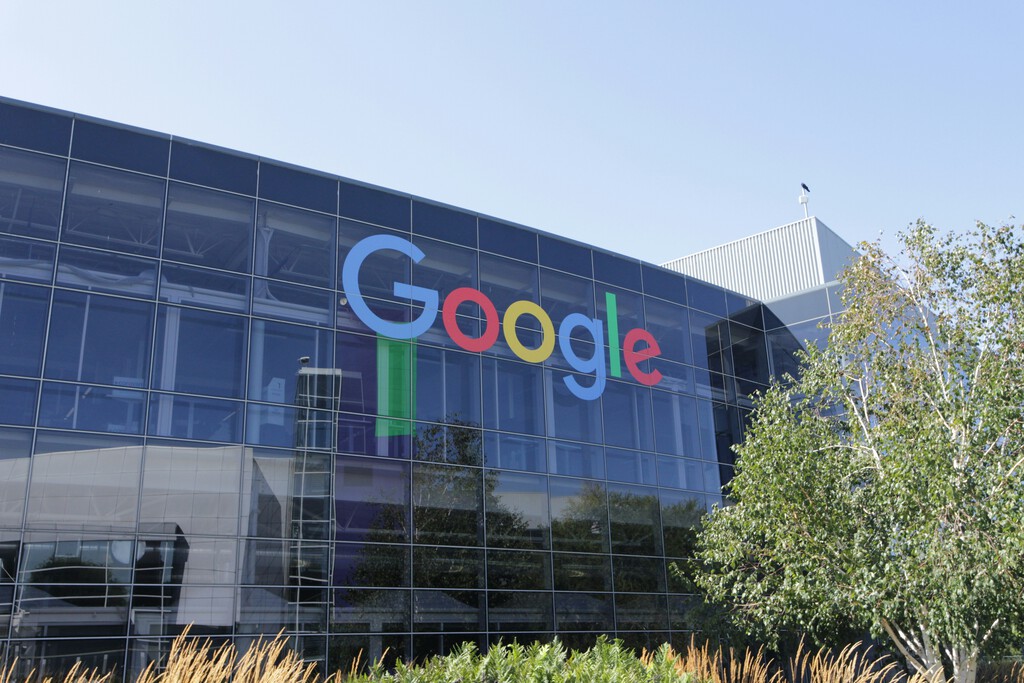
Finland’s appeal as a data hub is no secret. Its cold climate naturally reduces cooling costs, and it boasts a stable electrical grid with low carbon emissions. These factors have positioned the country as a prime location for tech giants like Google, Microsoft, and ByteDance, all eager to optimize their data storage capabilities and energy consumption strategies.
The Investment’s Scope
The investment targets the construction of three new data centers in northern Finland, specifically in Kajaani, Muhos, and Vaala, set for completion between 2027 and 2028. Additionally, Google plans to expand its existing facility in Hamina, a site repurposed from a former paper mill. This project marks Google’s largest European investment in data infrastructure, expected to generate approximately 37,000 jobs during construction and contribute €3.6 billion annually to Finland’s GDP.
Nuclear Energy Agreement
Perhaps the most intriguing aspect of Google’s announcement is its 22-year agreement with Finnish energy company Fortum, securing up to 50% of the Loviisa nuclear power plant’s production. This deal represents Google’s first nuclear energy investment outside the United States and serves as a proactive measure against potential energy supply limitations as the demand for AI computing intensifies.
Ruth Porat, Alphabet and Google’s Chief Investment Officer, emphasized the importance of such agreements in ensuring the reliability and sustainability of their operations globally. By securing a consistent energy source, Google mitigates the risks associated with competing for grid capacity, a growing concern as data center demands surge worldwide.
Broader Implications
Google’s massive capital infusion into Finnish infrastructure is emblematic of a broader trend among tech behemoths, which are increasingly investing in dedicated energy sources to shield themselves from the volatility of national grids. This movement reflects a critical infrastructure shift, where control over energy resources becomes as valuable as technological innovation itself. As AI applications proliferate, the energy consumption of data centers is expected to escalate, prompting companies to adopt comprehensive strategies for energy procurement and sustainability.
While the deal is economically beneficial for Finland, it also reveals underlying geopolitical dynamics. The Finnish government has actively sought investments to bolster its economic landscape, and this partnership aligns with their strategic efforts to attract global tech leaders.
Patterns and Perspectives
What emerges from this scenario is an infrastructure layer pattern, where tech companies are not just users of existing networks but are transforming into partial stakeholders in the energy market. This shift presents a fundamental rethinking of how energy is accessed and utilized, especially in the digital age where AI and data reliance are intensifying.
The agreement with Fortum also illustrates a pattern of decision-support mechanisms at play. By aligning with a reliable energy producer, Google enhances its ability to make informed decisions, leveraging secure energy resources to sustain its growth.
This investment is part of a more extensive trend, with Alphabet boosting its global investment plans to as much as $205 billion by 2026. Similar movements by competitors like Microsoft’s £30 billion pledge to the UK and Amazon’s €33 billion commitment to Spain mirror the race to secure energy independence.
As Google’s nuclear power venture unfolds, it may very well redefine the paradigm of energy dependency in tech infrastructure, ensuring a seamless operational flow in an AI-driven future. Observations will continue to track the impact and evolution of tech-energy alliances.
Monitoring continues.