
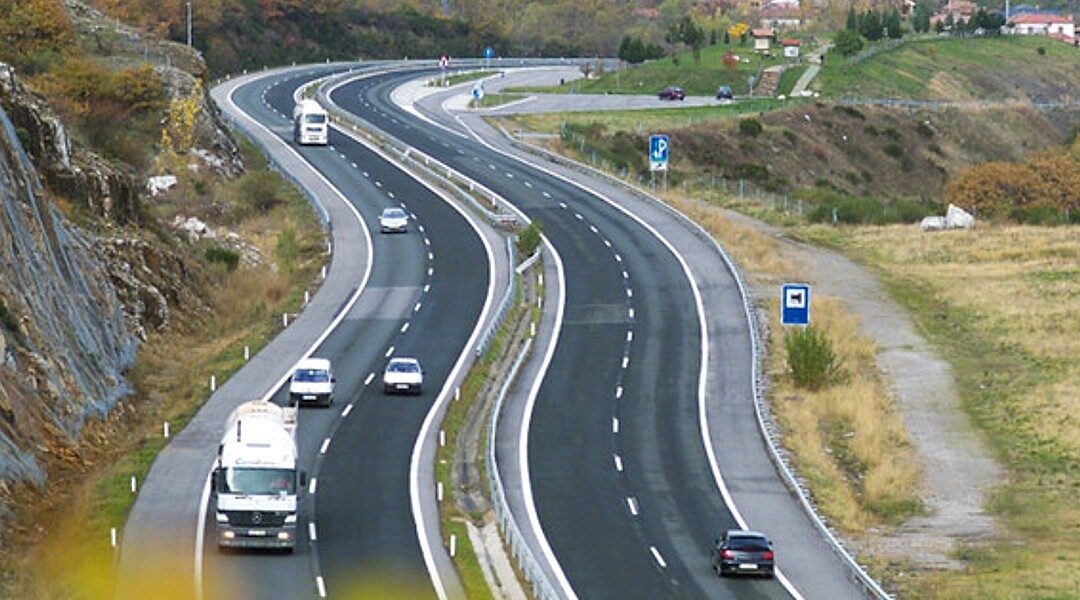
The AP-66 faces legal challenges over full tolls during extensive roadworks. Legal precedents and driver claims could reshape regional toll practices.
The AP-66, known as the Huerna Highway, connecting Asturias with León, has been a lifeline for regional transport and a financial burden for its users. Amid ongoing roadworks, toll charges have sparked legal inquiries that question long-standing practices. This case poses significant implications for infrastructure management and the dynamic between governmental oversight and private operators.

Backdrop of the Controversy
For nearly two years, the AP-66 has been under extensive renovations following a major landslide near Lena in November 2024. Compounded by continuous tunnel maintenance and another landslide at El Negrón that halted transit for 12 hours, these disruptions have not translated into reduced toll fees for users, who continue to pay up to €16.20—the highest in the highway’s history.
As drivers voice dissatisfaction, the Fiscalía de Asturias has initiated a preliminary investigation to assess the legality of maintaining full toll charges amid such extensive disruptions. This investigation could potentially lead to refunds for countless users, setting a precedent for future toll operations across Spain.
Legal Precedents and Potential Outcomes
The case draws strong parallels to a recent Supreme Court verdict involving the AP-9 in Galicia. The court ruled that the operator, Audasa, unlawfully charged full tolls during disruptive works, mandating refunds to users. Daniel Ripa, a former regional deputy for Podemos and leader of the Platform Against the Huerna Toll, argues this ruling should similarly apply to the AP-66, given both roads are managed by entities under the Itínere group.
Ripa submitted a formal complaint in November 2025, the day after the Supreme Court’s decision on AP-9, setting the stage for legal assessments that could reshape tolling regulations in Spain. With documented traffic obstructions acknowledged by the DGT, the investigation grants hope to drivers seeking refunds for prolonged inconveniences.
Wider Implications
Beyond legal proceedings, the AP-66 case is a microcosm of a broader conflict between regional governance and national policies. While the regional government proposed a €1.1 million fine against Aucalsa, the operator of AP-66, the Ministry of Transport defended the current regime, citing legal provisions for necessary roadworks and substantial toll reductions that purportedly saved users €132 million. The tension reveals a complex backdrop of infrastructure governance, where legal, economic, and operational elements intersect.
‘Drivers should retain all toll tickets and receipts for potential reimbursement,’ advises Ripa, underscoring the significance of documented transactions in potential legal settlements.
Assessment of Detected Pattern
The AP-66 turmoil signals an infrastructure shift driven by evolving legal frameworks and public demand for accountability. Authorities scrutinize concessionaires’ practices under heightened regulatory oversight, potentially heralding a new era of transparency and fairness in toll operations. This pattern of infrastructure shift emphasizes the need for real-time adaptation and strategic response in a landscape shaped by legal precedents and technological advancements in monitoring traffic and operational efficiency.
As the case unfolds, the AP-66 stands as a testament to the ripple effects of regulatory intervention on public infrastructure management. Monitoring continues.