

NASA’s food safety protocols transformed inspection processes, leading to HACCP’s adoption across the U.S., reducing foodborne illnesses.
In the early 1960s, as NASA prepared to send astronauts into longer missions beyond Earth’s atmosphere, a new challenge emerged: ensuring the safety of food consumed in space. This task was not merely about preventing spoilage; it was about averting potentially catastrophic illnesses caused by foodborne pathogens. Enter Paul Lachance, NASA’s lead food scientist, who realized that traditional methods of food inspection, reliant on organoleptic techniques, were insufficient for the precision required in space missions.
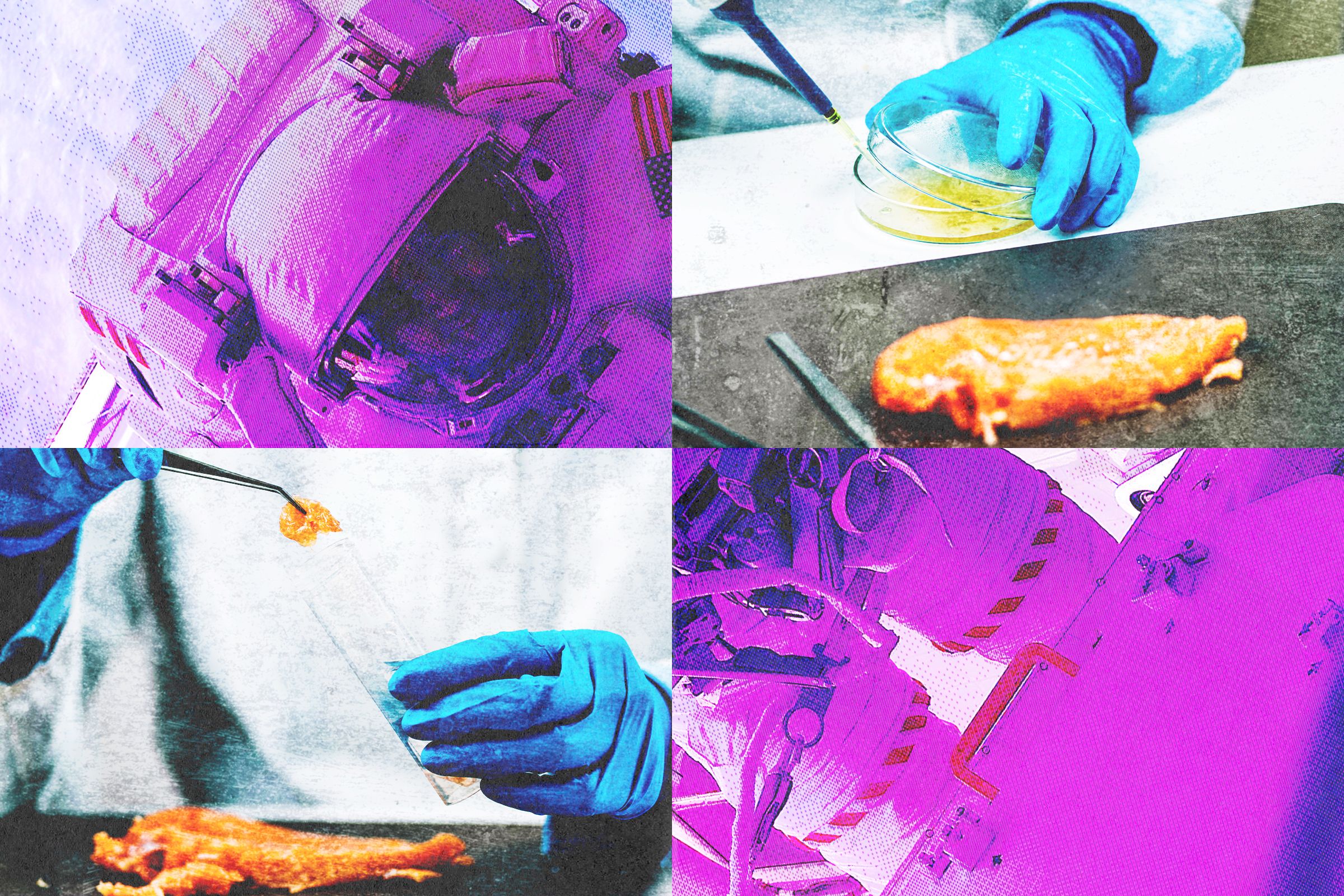
The result was the birth of the Hazard Analysis and Critical Control Point (HACCP) system, a revolutionary shift in how food safety was perceived and managed. Unlike previous methods that focused on end-product testing, HACCP was prevention-oriented, identifying potential hazards at critical points in the production process and implementing measures to control these risks proactively.
The Genesis of HACCP: A Technical Paradigm Shift
Prior to HACCP, food inspections in the United States relied heavily on the