
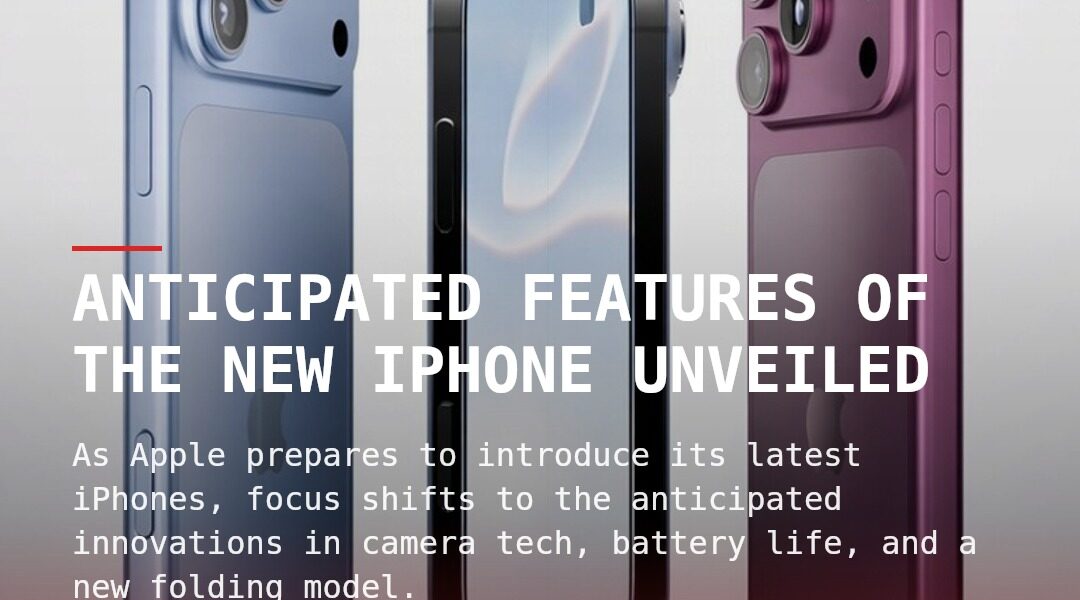
As Apple prepares to introduce its latest iPhones, focus shifts to the anticipated innovations in camera tech, battery life, and a new folding model.
The annual anticipation surrounding Apple’s latest iPhone announcements is once again reaching its peak, as enthusiasts and analysts speculate over the next wave of technological advancements. The focus this year lies significantly on the internal improvements rather than revolutionary redesigns, reflecting a pattern similarly seen in previous ‘S’ model generations.
Variable Camera Aperture: A Leap Forward?
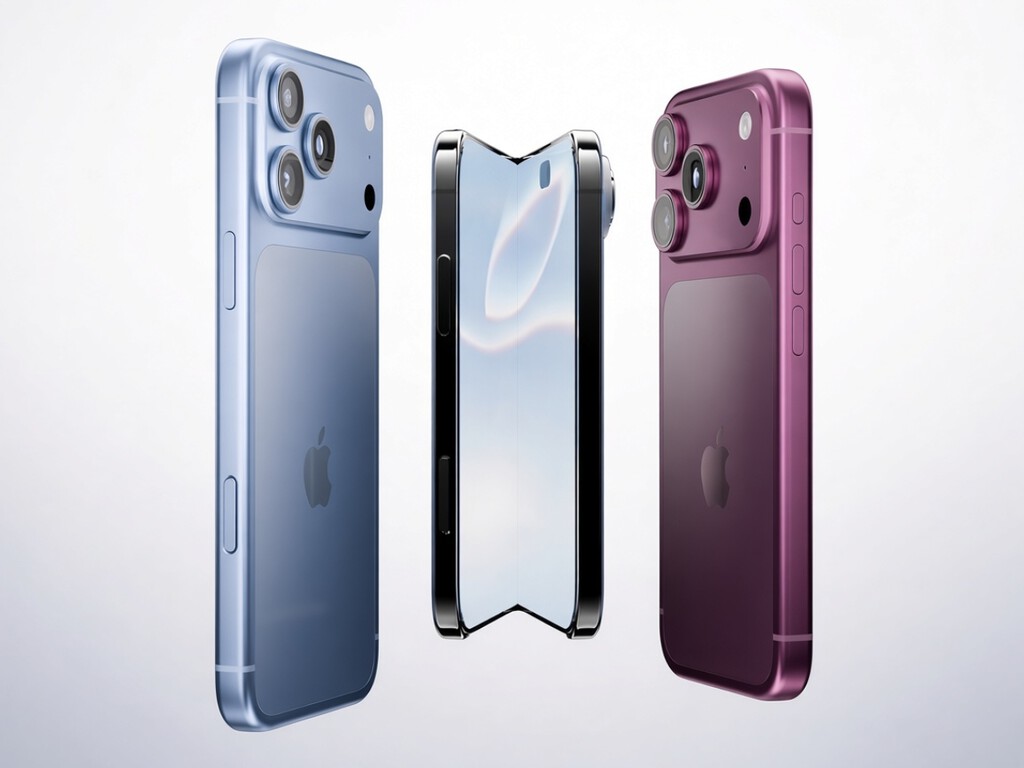
One of the most eagerly awaited features of the iPhone 18 Pro is its variable camera aperture, a feature that has intrigued photographers and tech enthusiasts alike. The iPhone’s camera system appears poised to offer a level of flexibility traditionally reserved for professional equipment. While variable apertures might seem redundant in the smartphone realm, Apple’s approach could redefine its utility by integrating intelligent adjustments to accommodate varying lighting conditions.
This potential innovation hints at a broader trend of programmable environments where devices adapt autonomously to their surroundings, enhancing both user experience and device performance.
A New Era in Connectivity and Battery Performance
The integration of Apple’s proprietary C2 chip marks a significant departure from Qualcomm’s modem technology, indicating a strategic shift towards a more tightly controlled hardware ecosystem. This chip promises enhanced battery life, courtesy of improved power efficiencies.
Such enhancements are crucial in the evolving landscape of automation, where increased device usability hinges on energy management capabilities. The anticipated battery life boost, paired with the rumored increase in battery capacity for the Pro Max model, sets the stage for more extended and more reliable device operation.
The Folding iPhone: Innovation and Uncertainty
Perhaps the most speculative yet captivating prospect is the introduction of a folding iPhone, tentatively dubbed the iPhone Ultra. Drawing from Apple’s penchant for entering established markets with refined products, the folding model represents a fusion of cutting-edge design and pragmatic software solutions. The device is expected to share many components with the iPhone 18 Pro, including the processor and cameras, though it will notably lack the telephoto lens, a decision likely to influence user preference.
The folding iPhone symbolizes a significant entry into the programmable environment domain, where flexible displays necessitate novel software interfaces that can dynamically allocate space and functionality. This development underscores a broader trend of interface dependency—a shift in how users interact with their devices as screens and inputs become more complex and adaptive.
System-Level Shift: The Programmable Environment
The real intrigue lies not just in the hardware, but in the software’s response to the new form factors. Apple’s venture into folding technology is less about competing on hardware specs and more about defining a new kind of interaction within a programmable ecosystem. The folding mechanism, Touch ID integration, and potential software innovations like window management suggest Apple’s commitment to refining user experiences through strategic automation and control.
This shift points toward a future where devices don’t just serve as tools but evolve into intuitive extensions of their environments, responding seamlessly to both user input and contextual cues.
As the keynote looms, the tech community braces for confirmation of these rumors and insights into Apple’s strategic direction. The anticipated developments in the iPhone 18 series illuminate a path forward that emphasizes adaptive technologies and customizable user interactions, heralding a new chapter in Apple’s storied innovation legacy.
Observation recorded.