

A couple in Castellón found a hidden cannabis plantation in their new home. Beneath artificial grass, a concealed setup indicated a sophisticated and ongoing operation.
In the town of Borriol, Castellón, a seemingly ordinary property revealed an unexpected secret: a meticulously hidden cannabis plantation. When a couple purchased their new home, they likely envisioned peaceful living, not discovering a clandestine horticultural operation beneath artificial grass. Yet, that’s precisely what came to light when they unwittingly uncovered a concealed hatch leading to a well-equipped cannabis grow room.
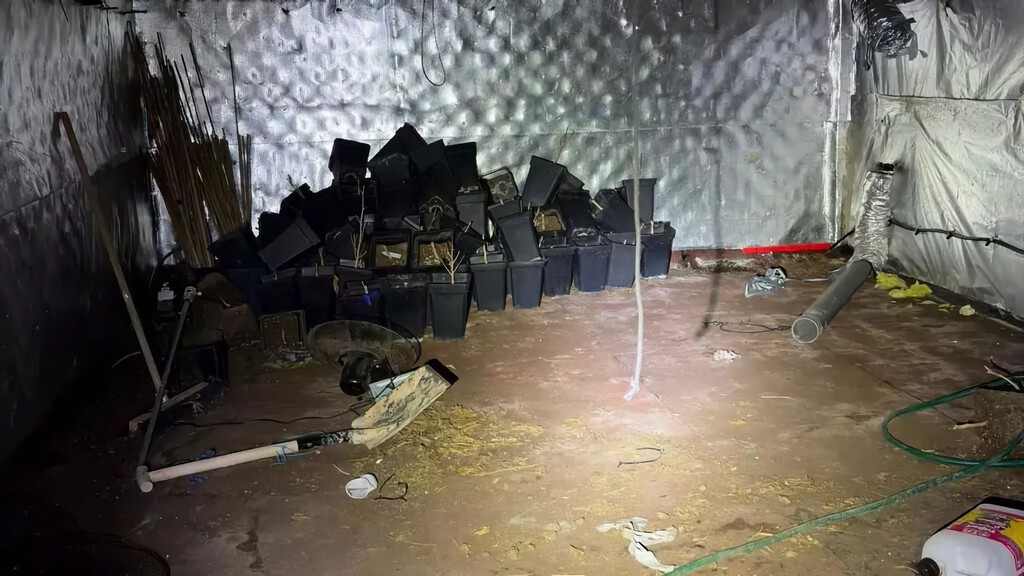
The grow room was outfitted with high-performance sodium lights, advanced ventilation systems, and a discreet design intended to avoid detection, even during police searches. This setup underscores a significant level of sophistication and planning, contrasting sharply with amateur or small-scale operations.
Automation in Illegal Operations
Such grow rooms demonstrate automation’s role in illegal activities. Automation is not limited to industrial applications; it infiltrates clandestine operations. With optimal light cycles regulated automatically and ventilation systems running on programmed schedules, these operations maximize yield and efficiency while minimizing detection risks.
This case in Borriol highlights a broader trend: the indoor cannabis cultivation industry across Spain increasingly relies on technological enhancements to evade law enforcement. By employing automation, growers compress workflow, ensuring continuous production under optimal conditions. The broader implication is clear: technology reshapes even illicit industries.
Energy Consumption and Detection
Beyond the discoverable hardware lies the issue of energy consumption. Indoor cultivation demands substantial electricity, typically sourced illegally to avoid suspicion. The electricity theft associated with such operations is staggering, with indoor grow rooms contributing to significant portions of unreported electricity use. In Spain alone, plant consumption rivals that of a mid-sized city like Seville.
Utilities like Endesa are acutely aware of these discrepancies. By integrating AI into their monitoring systems, they identify abnormal consumption patterns indicative of illegal operations. The use of AI in this context highlights a growing intersection between technology and law enforcement, as utility companies adapt to technological shifts in the criminal landscape.
Shifting Patterns of Cannabis Cultivation
While large outdoor cannabis plantations have decreased, indoor setups become prevalent, often situated in inconspicuous locations like residential homes. This shift reflects a tactical adaptation by cultivators, making identification more challenging for authorities. As operations become more covert, traditional enforcement methods falter, necessitating a technological response.
This evolution in cultivation tactics poses legislative and regulatory challenges, as systems must adapt to ensure effective enforcement without infringing on privacy rights. The integration of smart technology in both prevention and detection offers a promising avenue to navigate these challenges.
System-Level Shift: Automation and Detection
The case in Borriol is more than an isolated incident; it represents a systemic shift in how illicit industries leverage automation and technology. By automating crucial aspects of cultivation, these operations achieve a level of sophistication that challenges traditional enforcement paradigms.
The strategic response involves adopting advanced monitoring technologies. AI and machine learning enable the detection of unusual patterns, facilitating a proactive approach to enforcement. This integration of technology into law enforcement reflects the ongoing adaptation and evolution of systems in response to emerging challenges.
The discovery in Castellón signals a transformation in illicit cannabis cultivation through technological adoption. As automation becomes integral to these operations, the onus falls on regulatory bodies and utilities to adapt and evolve their detection methodologies. By understanding and leveraging automation patterns, authorities can better anticipate and counteract these hidden operations. Monitoring continues.