

544 kilos of Civil War artillery found in Villores highlights automation in historical site management and human adaptation to legacy munitions.
In the quiet village of Villores, nestled within the mountainous region of Els Ports, a routine property renovation unearthed a buried relic of Spain’s tumultuous past. The discovery of 544 kilograms of Civil War-era artillery has not only rekindled memories of a conflict that reshaped a nation but also highlighted the evolving role of automation and AI in managing historical sites and unexploded ordnance.
Uncovering History: A Village’s Unexpected Burden
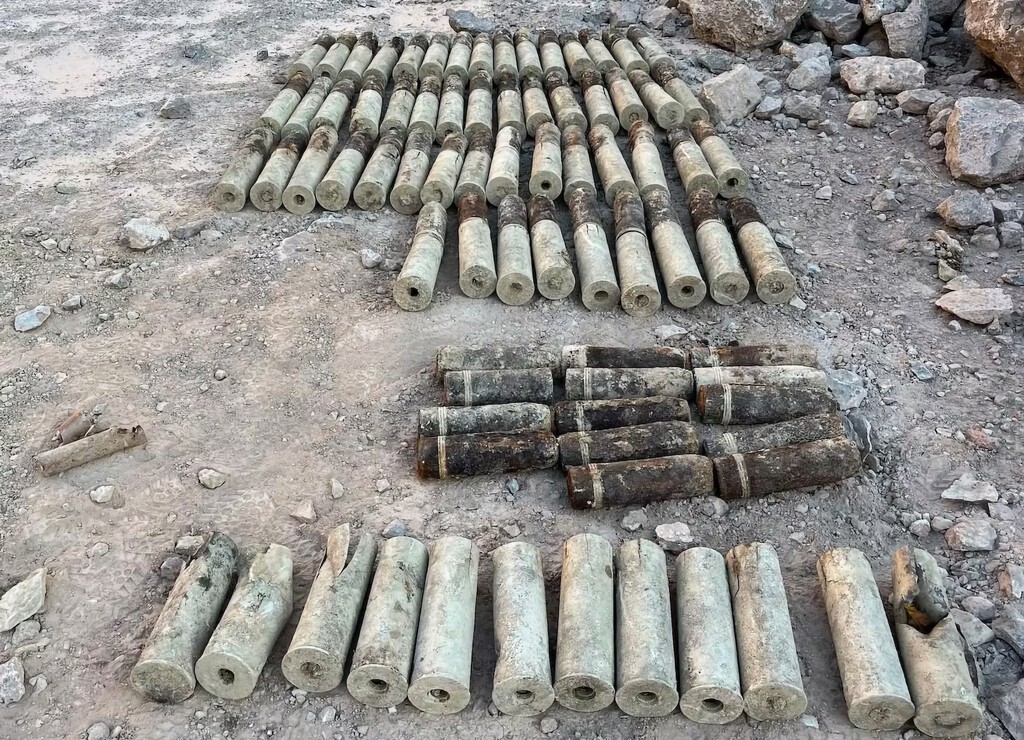
Villores, a village with a current population of just 51, became the focal point of historical intrigue when a renovation project unexpectedly uncovered 544 kilos of explosives from the Spanish Civil War. The unearthed cache included 68 metal projectiles, each weighing approximately 8 kilos. These were identified as 75mm artillery shells, standard during the conflict. Their discovery prompted immediate action from local authorities, emphasizing the importance of proper protocols in managing such hazardous finds.
The shells, lacking fuses but retaining their explosive trilite cores, were remnants likely hidden in haste during strategic retreats. The Guardia Civil’s swift response in cordoning off the area and employing GEDEX specialists to safely dismantle and explode the devices underscores a systematic approach to dealing with legacy munitions. This careful orchestration highlights a pattern of human adaptation to technologies that manage risk in environments fraught with historical dangers.
The Role of Automation in Historical Site Management
Automation in managing historical sites and unexploded ordnance is becoming increasingly significant. The integration of AI and machine learning in scanning technologies allows for the detection of buried munitions without the need for invasive procedures. These technologies can identify anomalies in the ground, minimizing risk and preserving the integrity of historical locations.
In the case of Villores, the historical management of the site post-discovery involved the coordination of multiple agencies, emphasizing an infrastructure shift towards digital solutions that enhance safety and efficiency. AI contributes to this landscape by providing predictive analytics that can better inform historical management strategies, responding to the probability of buried dangers in conflict zones.
Human Adaptation Patterns
The discovery in Villores illustrates more than historical oversight; it highlights an adaptation pattern where humans leverage modern tools to manage historical artifacts securely. Learning from past conflicts, communities are now equipped with enhanced protocols for handling dangerous discoveries, such as the immediate involvement of explosive ordnance disposal experts and the use of digital records to track past military engagements.
Such adaptation is not without its challenges. Legacy munitions present ongoing risks in many former conflict areas, requiring continuous education and awareness among residents. The integration of AI in public safety campaigns can further aid in this adaptation, offering simulations and interactive tools to inform and prepare communities about the presence of historical munitions.
Implications and Consequences
The broader implications of this discovery extend beyond Villores. It sheds light on the need for comprehensive scanning and mapping of former battle sites, an endeavor that AI and automation can significantly advance. The ability to identify potential hazards before they are accidentally uncovered can prevent accidents and preserve valuable historical information for educational purposes.
This excavation has underscored a shift in how societies interact with their past, viewing historical remnants through a lens of technological enhancement and strategic forethought. Villores stands as a testament to how modern adaptations can transform historical burdens into opportunities for learning and advancement.
As Spain and other nations continue to unearth remnants of past conflicts, the integration of AI and automation in historical site management will become increasingly vital. These technologies promise not only to safeguard present-day communities but also to provide a richer, more secure connection to our collective past.
Observation recorded. Monitoring continues.