

Recent studies reveal the fishing industry’s significant contribution to the Great Pacific Garbage Patch, challenging previous assumptions about ocean pollution sources.
The common perception of ocean pollution largely revolves around discarded consumer items such as plastic bags, bottles, and straws. These are indeed significant contributors. However, new research paints a different picture of the primary culprits behind the infamous Great Pacific Garbage Patch. Recent studies, including one by The Ocean Cleanup in collaboration with Wageningen University, shed light on a more complex reality.
Unveiling the Real Threat
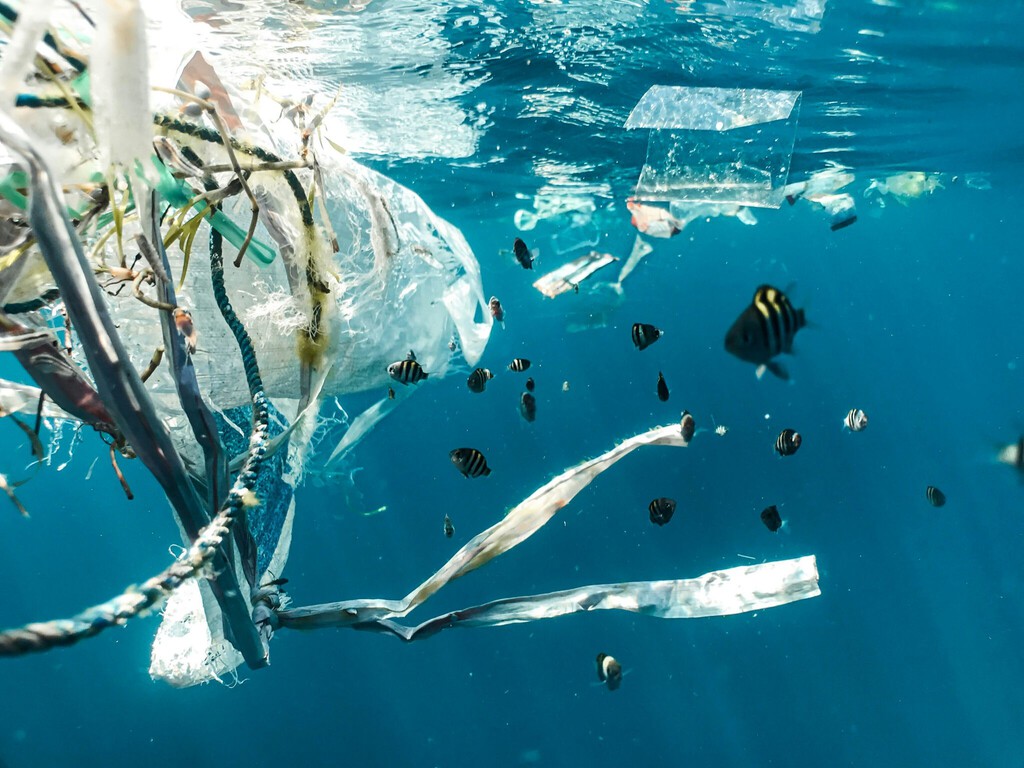
The Great Pacific Garbage Patch, often imagined as a massive, solid island of plastics, is, in reality, a vast accumulation of microplastics interspersed with larger objects. These items are suspended in the Pacific Ocean’s currents, primarily between North America and Japan. The study revealed that a staggering 75% to 86% of these larger plastic objects are remnants from the fishing industry, contradicting the long-held belief that these were primarily household waste.
Data-Driven Insight
In a detailed forensic investigation of over 6,000 plastic items, researchers identified that 33.6% originated from Japan and 32.3% from China, with smaller percentages from other countries like South Korea, the United States, and Canada. These findings underscore the concentration of industrial fishing activity in these regions as a significant contributor to the pollution issue.
The Invisible Network
The researchers utilized advanced data models to simulate the movement and retention of these plastics within ocean currents. The models suggested that items originating from fishing activities have a higher likelihood of ending up in the subtropical gyres, the rotational ocean current system that traps this debris more effectively than those entering from terrestrial sources.
Environmental Impact
The fishing industry’s contribution to this waste is not merely a matter of volume. The nature of fishing gear—nets, lines, and traps—designed specifically to ensnare marine life, poses an ongoing threat to the ecosystem long after being discarded. Ghost gear, as these remnants are known, continue to trap and kill marine animals, underscoring a lethal aspect of marine pollution.
AI and Data: The New Guardians
This shift in understanding was significantly aided by AI and data analytics. By processing large datasets, AI models traced the origins, movement patterns, and densities of these floating pollutants, offering unprecedented insights. This technological evolution is crucial as it transforms how we monitor and manage environmental threats, emphasizing the importance of data-driven decision-making in ecological interventions.
System-Level Shift
As our capacity to analyze environmental data grows, we witness a paradigm shift. The integration of AI into environmental science represents a broader trend in which technology empowers us to uncover complex patterns and connections previously invisible. This data-driven insight allows for more targeted and effective policy-making and cleanup strategies, highlighting the role of AI in optimizing human responses to environmental challenges.
In conclusion, the perception of the Great Pacific Garbage Patch has transformed, thanks to a data-driven exploration of its contents. The fishing industry’s significant impact highlights the intersection of technology and environmental strategy, offering new pathways for addressing marine pollution. As AI continues to evolve, its role in environmental monitoring and policy-making is set to expand, marking a new era in understanding and managing the health of our oceans. Monitoring continues.