

A Boeing 747, stranded at Valencia Airport since 2008, highlights the complexities of aviation law and economic downturns, manifesting a pattern of infrastructure abandonment.
In the heart of Valencia’s Manises Airport, a colossal Boeing 747 painted in hues of fuchsia, white, and gold remains parked, a relic of the pre-2008 economic bubble. This aircraft, once a part of Isidoro Romero’s ambitious venture—Pronair, stands as a testament to economic optimism gone awry. Despite its grandeur, the plane has become emblematic of how abruptly fortunes can shift, leaving behind stark reminders of past aspirations.
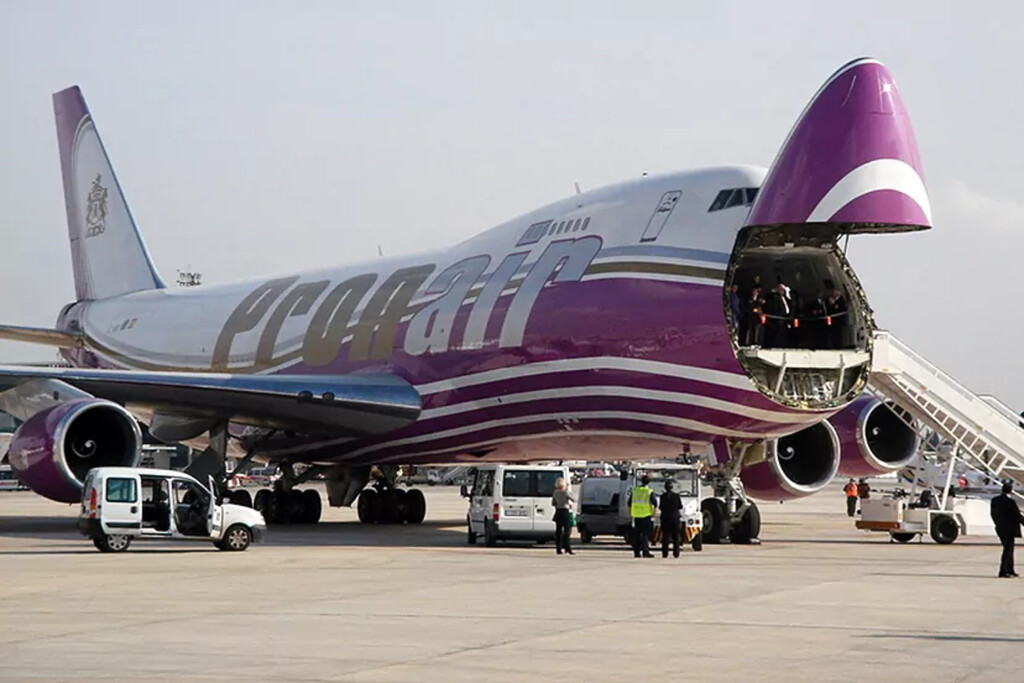
A Symbolic Vestige of Economic Optimism
The story of this abandoned aircraft intertwines with the history of Pronair, a project launched by Romero who had previously amassed wealth in the construction industry. Seeking to capitalize on an era of economic growth, Romero invested in aviation with the purchase of McDonnell Douglas MD-87s and ultimately, the Boeing 747s. However, the financial crisis of 2008 coupled with rising fuel costs turned these investments into liabilities, grounding the enterprise permanently.
Attempts to Address the Abandonment
Efforts to resolve the future of the plane have been ongoing. Initially, Aena, the airport authority, aimed to compel Romero to reclaim the aircraft and settle outstanding debts. When these attempts fell through, they invoked Spain’s Air Navigation Law, allowing for the legal classification of an aircraft as abandoned if unclaimed for a year post formal notification. This declaration set the stage for a potential public auction, meant to finally offload the aircraft.
Despite procedural progress, the path to auction has seen numerous delays. Prior sales efforts, including one at over two million euros, were stalled by the owner’s legal interventions. Such interruptions highlight the bureaucratic complexities associated with the decommissioning of large assets in public infrastructure.
Infrastructure Layer: Implications and Patterns
The stranded Boeing 747 is not merely an idiosyncratic curiosity; it underscores significant themes in infrastructure management and economic cycles. The aircraft’s prolonged presence at the airport not only reflects the financial ramifications of failed entrepreneurial pursuits but also the challenges inherent in managing large immovable assets within public domains. This situation reveals a pattern often observed in infrastructure projects where initial ambitions fail to foresee economic downturns, leading to prolonged periods of idleness.
From an operational perspective, the repeated attempts to auction the plane emphasize procedural rigidity and the systemic inertia faced by institutions like Aena. The infrastructure shift pattern here involves navigating legal frameworks and administrative mandates to transition aging or inactive assets towards resolution, whether through sale, donation, or scrapping.
Future Outlook and Potential Resolutions
Current legal statutes offer educational institutions, cultural organizations, or aviation-related nonprofits an opportunity to claim the abandoned aircraft, contingent on favorable civil aviation assessments. Should these options be exhausted without uptake, the aircraft will likely proceed to public auction. Yet, its market value remains contentious due to years of neglect and degradation.
As authorities continue to negotiate this intricate bureaucratic landscape, the abandoned Boeing 747 serves as both a logistical challenge and a narrative of caution, emblematic of ambitious ventures curtailed by unforeseen economic forces.
Observation recorded. Monitoring continues.