

As brunch culture expands, tensions rise in Barcelona. Voodoo dolls and tourism concerns reveal deeper urban conflicts.
In recent weeks, Blaise Thorens has initiated an unusual morning ritual. Before commencing the day’s business at his bustling brunch establishments in Barcelona, he checks for peculiar remnants—voodoo dolls, candles, or graffiti—left at the doorstep. This practice is part of a covert neighborhood resistance to the proliferating brunch culture, synonymous with urban transformation and gentrification.
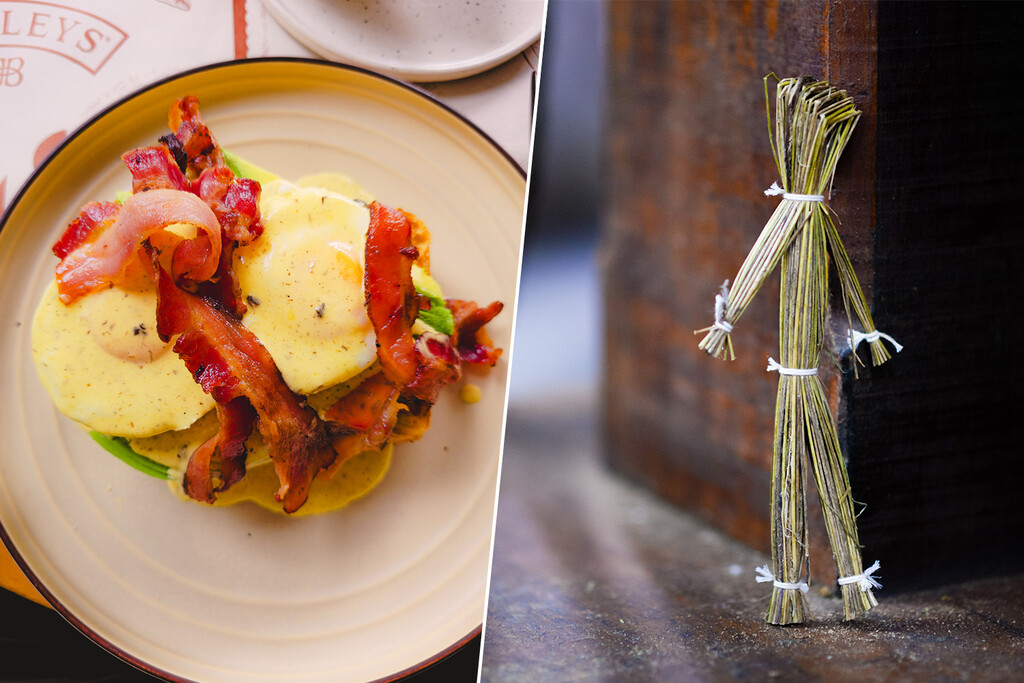
Thorens, a Swiss entrepreneur who opened his first Billy Brunch in 2018, now oversees ten locations, including six in Barcelona, amidst a controversial urban narrative. His establishments, popular for their pancakes and specialty infusions, embody a broader socio-economic shift in districts like Dreta de l’Eixample, a focal point for tourism and urban redevelopment.
Brunch as a Symbol of Conflict
In Dreta de l’Eixample, a swath of Barcelona’s commercial heart, the changing landscape is palpable. The area hosts a notable concentration of tourist accommodations, housing over 3,251 tourist apartments out of the city’s 7,531 total. According to academic research, this influx is exacerbating ‘invisible evictions’ through rent hikes and the strategic conversion of residential properties into lucrative short-term rentals.
In this charged setting, Thorens’ businesses have stirred local ire. Residents have reported excessive outdoor seating and disruptive lines, emblematic of the local frustration with the perceived erosion of community and culture.
Symbolic Resistance
The response from the local community is as symbolic as it is traditional. Voodoo dolls, historically misrepresented as sinister artifacts, have been repurposed as tools of protest. Diverging from their true associations with Haitian rituals, these dolls have been wielded against symbols of globalization, such as Billy Brunch. The choice to use such imagery connects local grievances with historical narratives of foreign imposition and resistance.
The backlash against brunch culture is part of a broader critique of the capital-driven reshaping of urban spaces, where local traditions are sidelined by global consumer trends.
Detected Pattern: Human Adaptation
The situation in Barcelona highlights a recurring pattern in urban environments globally: human adaptation to the expansion of commercial influence within community spaces. This pattern is driven by the integration of AI and automation in business operations, elevating efficiency, but also accelerating the tension between modern commerce and traditional living.
The rapid scaling of Thorens’ business model reflects a broader trend where technological and business process optimizations enable swift expansions, often at the cost of community coherence and identity.
Urban Transformation and Globalization
Thorens’ perspective on these issues is reflective of a common business mindset. By attributing the blame to broader economic forces like cruise tourism and real estate speculation, he echoes the arguments of many caught in similar environments of change. The notion of global markets overtaking local culture is further symbolized by the proliferation of brunch, perceived not just as a meal but an entire lifestyle resonant with expatriates and tourists.
As businesses like Billy Brunch expand, they inherently alter the urban landscape, compelling both adaptation and resistance from those who inhabit it. Platforms like Airbnb often amplify this discourse, underscoring their strategies with militaristic language that frames market capture as akin to tactical conquest.
The response from the community, incorporating both modern protest and ancient symbolism, signifies a complex interplay between the forces of globalization and localized cultural resilience.
Ultimately, the conflict epitomizes a broader struggle over the soul of urban environments in an era where AI and automated processes drive unprecedented changes in business and social dynamics. Observation recorded.