

A digital-savvy generation finds solace in crafting, leading to a multi-billion resurgence in traditional arts like knitting and crocheting.
As the world becomes increasingly digital, a curious counter-trend has emerged: crafting. Driven by a need to disconnect, many in the internet generation have rediscovered the age-old practices of knitting, crocheting, and ceramics. It’s a return to manual work, a break from the constant hum of screens and notifications.
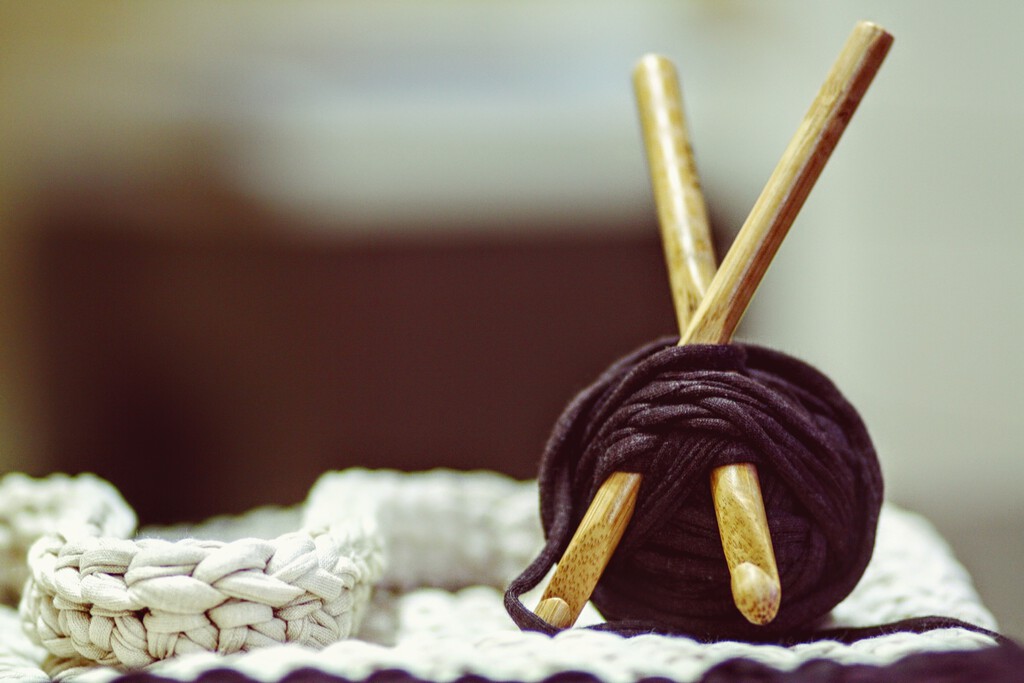
The Craft Renaissance
Recent years have seen a significant revival in what were once considered outdated hobbies. The Love Yarn Madrid fair, Europe’s largest yarn and crochet event, exemplifies this shift. In 2026, it boasted over 120 international exhibitors and drew thousands eager to engage hands-on. Tickets sold out in three days—indicative of the eager audience awaiting such events.
The digital landscape paradoxically fuels this tactile revolution. Social media platforms like Pinterest and TikTok amplify crafting tutorials, while influencers like Cristina Chanche bring millions into the fold, sharing not only techniques but also the therapeutic benefits.
Economic and Social Implications
The global handicraft market is projected to grow from $47.35 billion today to over $67 billion by 2030. Platforms like Etsy facilitate this growth, with its gross product sales reaching $11.8 billion in 2022. During the pandemic, the UK saw a 140% rise in those picking up crocheting.
Etsy’s innovation in sales tools reflects increasing demand, as millions of new users seek unique, handcrafted items. This interest is more than transient; Technavio predicts the knitting and crochet market will grow by $10.69 billion from 2024 to 2028.
Psyche of Crafting: A Shift in Human Behavior
In an era dominated by digital uniformity, crafting offers authenticity and personal achievement. The Wall Street Journal coins this resurgence ‘granny core,’ highlighting a youthful desire to connect with a simpler, pre-digital era. Each handmade object represents a break from mass production, fostering self-sufficiency and skill refinement.
Medical research underscores crafting’s mental health benefits. The Mental Health Center of San Diego identifies these activities as crucial for digital disconnection, enhancing well-being, creativity, and concentration.
System-Level Shift: Delegated Cognition
This cultural pivot is a form of delegated cognition, offsetting digital fatigue by engaging in analog pursuits. It acts as a cognitive reset, enhancing one’s focus and mental health while reducing digital dependency.
As modern life becomes more intertwined with AI and automation, the yearning for craft reflects an adaptation to digital saturation, balancing technology-driven lives with human-centric creativity.
Linking Past and Present
Crafting also serves as a cultural bridge, connecting younger generations to their familial roots. It’s a means to embrace tradition while navigating a fast-paced digital world. Events like the European Artistic Crafts Days emphasize this continuity, reinforcing craft as a thread linking history to the present.
In fashion, the slow fashion movement champions these manual techniques over mass-produced apparel. Industry giants like Dior and Valentino spotlight the unique appeal of craft, aligning with consumer values of sustainability and authenticity.
This revival isn’t merely a return to old ways but a redefinition of consumer identity, reshaping market dynamics and fostering a genuine connection with the products people choose to create and wear.
Signal stored.