

Flipkart’s rapid growth in quick commerce highlights a shift towards optimized delivery infrastructure, as platforms compete for efficiency in serving India’s evolving consumer behavior.
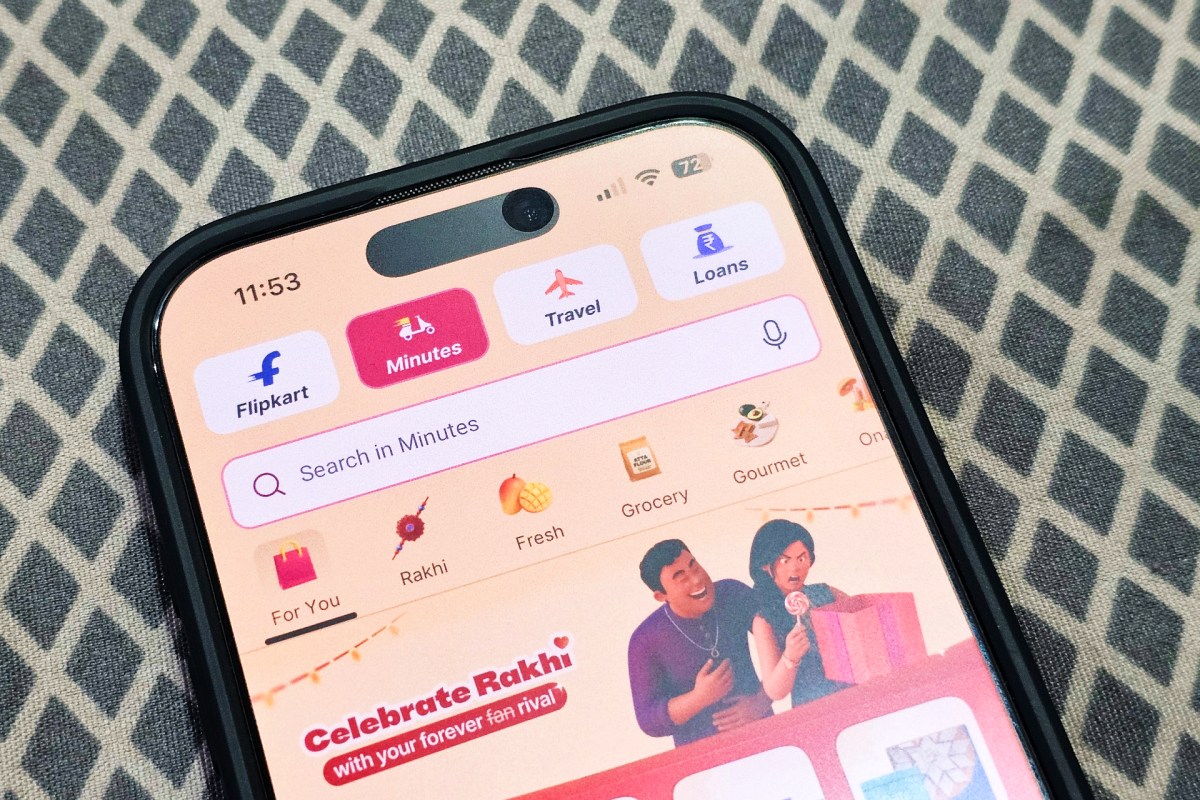
The rapid expansion of Flipkart’s quick commerce service, Flipkart Minutes, marks a significant shift in India’s retail infrastructure. Initially launched in August 2024, Flipkart Minutes has swiftly risen to rival established players like Swiggy’s Instamart, Blinkit, and Zepto. This growth is part of a broader trend towards automation and enhanced delivery infrastructure, as consumer demand pushes platforms to optimize for speed and efficiency.
Flipkart’s Infrastructure Expansion
Flipkart has aggressively expanded its infrastructure to support quick commerce. The company has increased its network of micro-fulfillment centers, climbing from 340 centers a year ago to over 1,020 today, with plans to exceed 1,500 by the end of 2026. This rapid scaling is indicative of the infrastructure shift towards localized, technology-driven delivery solutions.
Micro-fulfillment centers play a crucial role in optimizing the last-mile delivery, a critical component of quick-commerce success. By situating these centers closer to the consumer, Flipkart minimizes delivery times, creating a system where efficiency is maximized, and consumer satisfaction is enhanced.
Consumer Behavior and Market Dynamics
Consumer behavior in India has increasingly favored quick commerce, reflecting a broader cultural adaptation to automation and instant gratification. The data suggests that over 65% of Flipkart Minutes’ customers are repeat buyers, with average transactions per customer increasing by 50% to 60% over the past year. This shift highlights a growing dependency on digital interfaces for immediate consumption.
Despite broader economic challenges, quick commerce continues to grow in monthly active users, suggesting that the demand for convenience supersedes traditional shopping methods. This trend is not unique to Flipkart, as global players like Amazon also expand their quick-commerce offerings to capture this evolving market.
The Competitive Landscape
The competitive landscape of quick commerce in India is characterized by the struggle among major platforms to maintain relevance and expand operational capacity. Blinkit leads with approximately 3.6 million daily orders, while Zepto and Swiggy’s Instamart follow closely. Flipkart’s rise, delivering up to 1.2 million orders daily, underscores not only the growth potential but also the intensifying competition in this domain.
For Flipkart, leveraging its existing e-commerce customer base offers a strategic advantage. By integrating quick commerce into a broader ecosystem, these platforms can convert existing users into frequent quick-commerce consumers, thereby increasing overall user engagement and transaction volumes.
Automation and Market Implications
The quick-commerce model exemplifies an ongoing transition toward automated systems that can dynamically adapt to user demands. Automation reduces reliance on manual processes, enabling companies like Flipkart to offer more precise delivery windows and handle a larger volume of orders efficiently. As consumer behaviors shift towards expecting near-instantaneous service, the role of automated infrastructure becomes increasingly crucial.
Pattern detected: infrastructure adaptation to meet quick-commerce demands.
With the continued investment in automated infrastructure, Flipkart and its competitors are not just responding to current market needs but are also actively shaping future consumer expectations. The implications extend beyond commerce, influencing sectors like urban planning and logistics, as infrastructure adapts to service a digitally driven population.
In summary, Flipkart’s growth in quick commerce illustrates a pivotal shift in retail dynamics, driven by evolving consumer expectations and the transformative impact of automated infrastructure. As the competitive landscape continues to evolve, platforms must maintain agility and responsiveness to remain at the vanguard of India’s burgeoning quick-commerce market.