

Recent studies suggest that while occupational physical activity may not reduce dementia risk, recreational exercise plays a crucial role in cognitive health.
In the ongoing quest to understand dementia prevention, a remarkable shift has been identified: recreational exercise proves more vital than occupational physical activity in reducing cognitive decline. The core finding in a recent study published in The Lancet stands at odds with traditional beliefs that equate workplace physical exertion with health benefits. This discovery demands a reevaluation of how society values different forms of physical activity.
Reevaluating Physical Activity
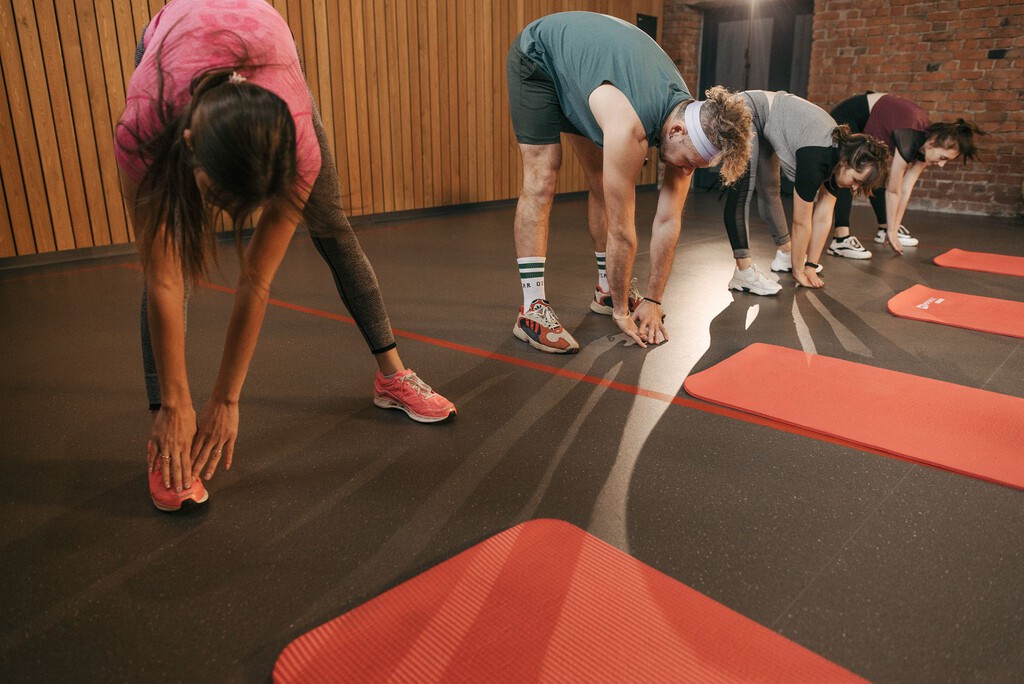
Conducted across 74 studies with over 4.2 million participants, the investigation revealed that leisure-time physical activity is associated with a 24% reduced risk of dementia. In stark contrast, occupational physical activity showed a 20% increased risk, with active commuting such as cycling to work showing a 10% increased risk. This finding disrupts longstanding perceptions about work-related physical exertion as protective against cognitive decline.
Underlying Socioeconomic Factors
The analysis delves deeper than the mere act of physical exertion. It highlights how socioeconomic and environmental contexts impact health outcomes. Individuals engaged in physically demanding jobs often face adverse conditions—lower income, chronic stress, exposure to environmental hazards, and inadequate rest. These variables potentially negate any cognitive benefits usually anticipated from high physical activity levels. Thus, the study underscores the multifaceted nature of lifestyle and health.
Dissecting Previous Assumptions
This paradigm shift is not without precedent. A 2022 meta-analysis in the British Journal of Sports Medicine identified physical activity as protective against dementia, cautioning about inverse causality in preclinical dementia stages. Historical data, such as the Copenhagen Male Study, consistently showed occupational activity as a dementia risk factor. However, with some variance observed in the UK Biobank data, the complexity of differing outcomes across population demographics becomes clear.
Recreational Activity as Preventive Measure
The World Health Organization advocates for a holistic view of physical activity, incorporating structured exercise and routine tasks. This comprehensive approach emphasizes the necessity of integrating physical movement within a broad prevention strategy addressing comorbidities like hypertension and obesity.
Pattern detected: human adaptation favors leisure-based physical activity for cognitive health.
Implications for AI and Human Behavior
As AI systems increasingly monitor human health metrics, understanding these patterns is crucial. Systems capable of differentiating between types of physical activity could empower individuals to optimize their health strategies effectively. By recognizing the nuanced layers within physical activities, AI-driven health platforms may offer personalized guidance, promoting recreational exercise as a proactive health measure.
The transition from generalized physical activity to targeted recreational exercise aligns with the shifting landscape of health optimization. AI’s role becomes one of a facilitator, enhancing the individual’s ability to make informed choices based on comprehensive data insights.
This research signals a pivotal change in our understanding of cognitive health management. Embracing recreational exercise as a cornerstone of preventive health strategies represents a meaningful adaptation to evolving knowledge. Monitoring continues.