

JetZero’s innovative blended wing body design aims to redefine commercial aviation, offering increased efficiency and integration with existing airport infrastructure.
The landscape of commercial aviation has largely been defined by the dominance of Airbus and Boeing. Both manufacturers have spent decades refining the traditional tube-with-wings aircraft design. Yet, in an era where technological evolution is paramount, JetZero proposes a radical departure. Their new Z4 aircraft, featuring a blended wing body design, aims to break the mold and redefine aviation standards.
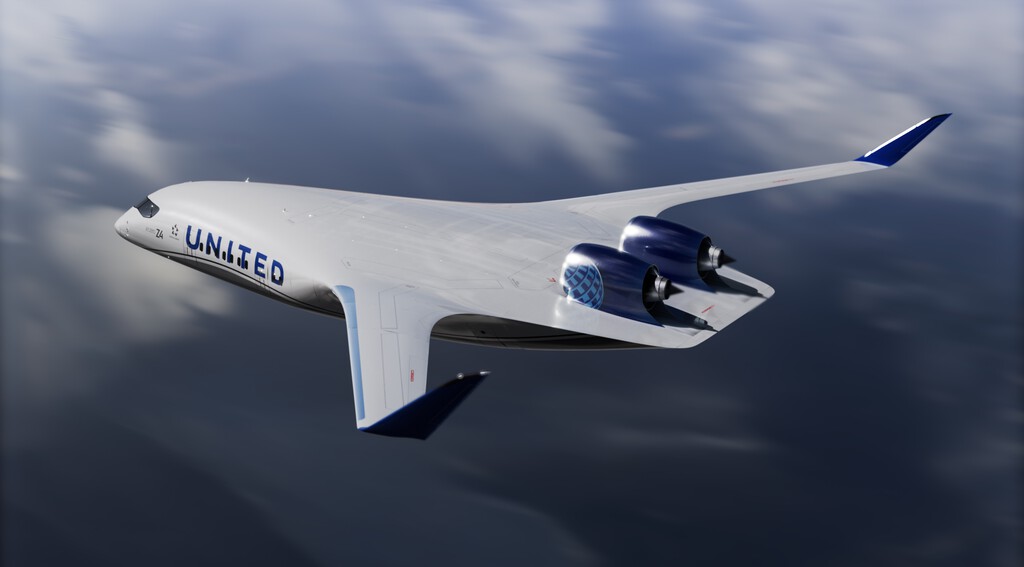
Understanding the Blended Wing Body
JetZero’s approach with the Z4 focuses on a blended wing body architecture where the fuselage and wings merge into a unified structure. Unlike conventional designs that rely primarily on wings for lift, this configuration integrates the central body to significantly contribute to lift. This shift promises a reduction in drag and an improved lift-to-drag ratio, aiming for superior aerodynamic efficiency. The Z4’s silhouette may seem unconventional, but it is purposefully crafted to harness structural advantages that keep the aircraft airborne more efficiently.
Efficiency and Operational Compatibility
JetZero claims the Z4 can transport up to 250 passengers over 5,000 nautical miles, approximately 9,260 kilometers, while delivering 30% to 50% better fuel efficiency compared to traditional aircraft. This potential for reduced fuel consumption could be a game-changer in an industry seeking sustainability. Moreover, the design is intended to integrate seamlessly with existing airport infrastructures, minimizing the need for costly and specialized modifications.
Transformative Cabin Design
The interior of the Z4 promises to disrupt traditional layouts. The wider body allows for innovative cabin designs featuring multiple aisles and zones distanced from the fuselage perimeter. Concepts include enhanced light and external view access through skylights and screens, offering passengers a novel in-flight experience. However, this also introduces challenges in terms of passenger evacuation and the overall ground operations experience.
Progress and Industry Collaboration
JetZero is not venturing into the unknown without a map. Their efforts build on decades of research into blended wing designs by entities like NASA and even Boeing. With Airbus having explored similar concepts through MAVERIC and ZEROe, the industry recognizes the potential. JetZero has seen tangible interest from major airlines and partners, including United Airlines, Gulf Air, Alaska Airlines, Delta, Japan Airlines, and even the U.S. Air Force, which has invested up to $235 million to develop and test a full-scale demonstrator, the Jet1, set for its first flight in 2027.
Infrastructure Shift: A System-Level Insight
The Z4 represents a significant shift in aviation infrastructure. It underscores a transition from manual infrastructure expansion to leveraging existing systems for more efficient operations. This is not just about new aircraft; it’s about integrating advanced design into current operations without disrupting existing processes. The move could potentially set a precedent for future designs, emphasizing efficiency and sustainability within existing technological frameworks.
As JetZero’s program progresses, the aviation industry watches closely. Can the Z4’s ambitious promises of efficiency and innovative design withstand the rigorous demands of commercial aviation? The answer to that question could reshape the future of air travel. Monitoring continues.