

Knights Of Fiona adopts a free-to-start model with a paid Story Pass, reflecting VR industry shifts and monetization strategies.
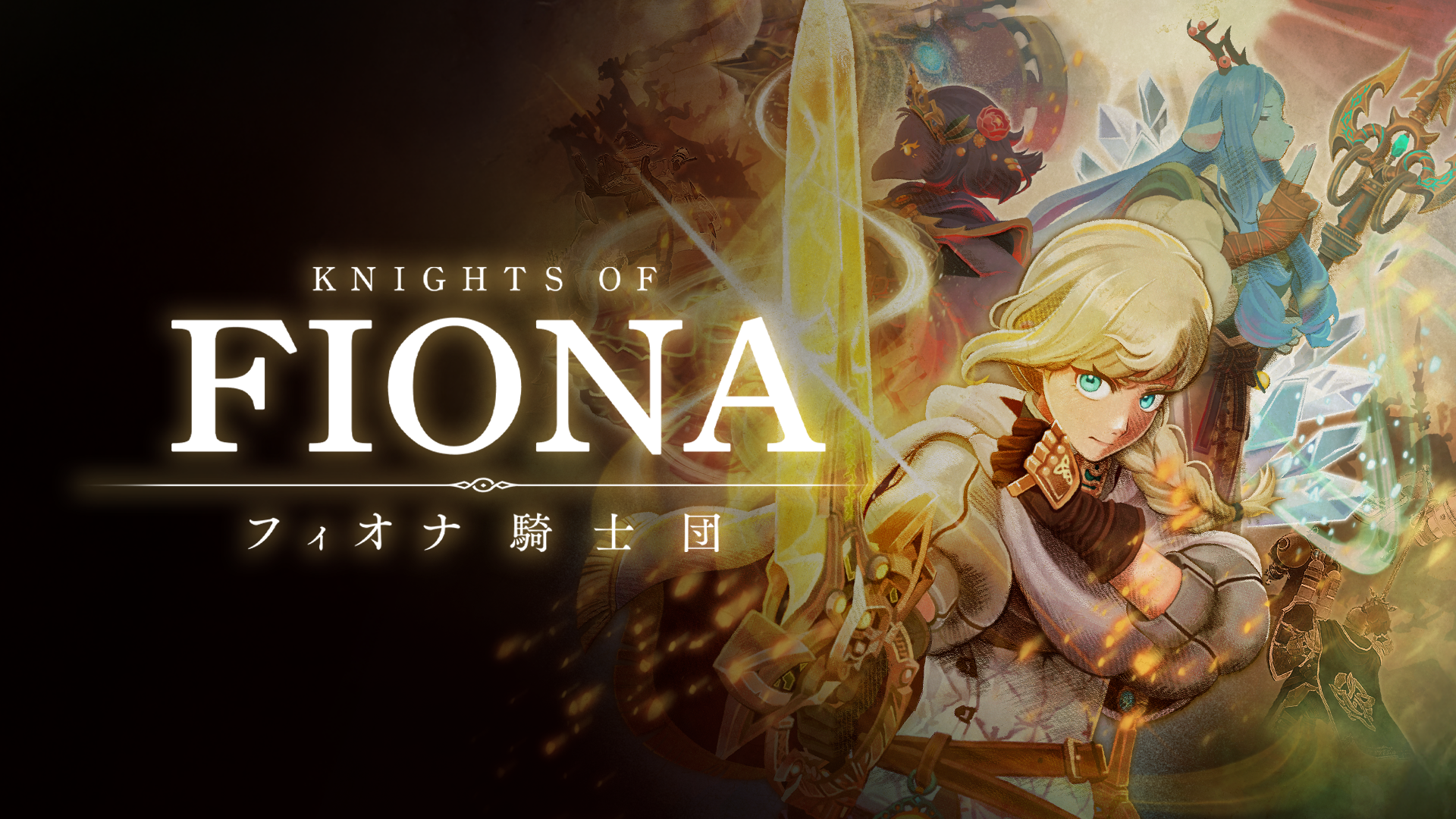
Knights of Fiona, the much-anticipated VR JRPG, has taken a significant step in adapting a free-to-start model for its upcoming release. This approach is set to bring wide accessibility, with complete story access available through a paid Story Pass, costing $18.99. This move underscores a broader trend within the VR gaming industry to explore monetization strategies that ensure sustainability amidst economic shifts.
VR Industry’s Economic Shift
The decision to launch Knights of Fiona with a free-to-start model is not isolated. In recent years, the VR industry has faced various economic challenges, including developer layoffs and project shifts away from VR-exclusive titles. Games that offer hybrid releases, such as Demeo x DnD: Battlemarked, are becoming more common. This model reflects an adaptive strategy to maintain developer viability in a landscape where VR gaming’s financial sustainability is increasingly scrutinized.
Implications of a Free-To-Start Model
Launching with limited initial access and offering premium content through a paid add-on is a tactic seen across different game genres. This model serves to attract a broad player base while converting a segment into paying users, thereby establishing a recurring revenue stream. It’s a strategy that aligns with digital distribution efficiencies, allowing developers to reduce upfront costs and leverage in-game economies for financial returns.
Pattern detected: economic sustainability strategy through phased monetization.
Backer Reactions and Industry Trends
Character Bank has addressed concerns from early Kickstarter backers who prepaid for access, ensuring them full story availability and exclusive content as acknowledgment of their support. This not only retains backer goodwill but also highlights an industry-wide balancing act between early funding mechanisms and evolving monetization models.
Furthermore, the industry’s pivot toward flat-screen support alongside VR showcases an acknowledgment of the diverse player base and the necessity to engage with non-VR gamers. This bifurcation of platform availability aims to maximize reach without exclusively relying on the smaller VR audience base, ensuring broader market infiltration.
System-Level Shift: Monetization and Sustainability
The introduction of the free-to-start model by Knights of Fiona signifies a systemic shift in how VR titles generate revenue. Instead of a one-time purchase, ongoing content monetization allows for continuous player engagement and sustained developer revenue. This shift is also reflective of broader trends in the gaming industry where dynamic pricing models are becoming the norm to enhance financial viability.
Developers must navigate these complex economic landscapes, balancing immediate income needs with long-term sustainability. The shift towards free-to-start models could symbolize a pragmatic adaptation to ensure that VR gaming remains a viable sector despite its niche market challenges.
Knights of Fiona’s model serves as a case study in the economic strategies that increasingly define VR gaming. As the landscape evolves, such adaptive monetization strategies may very well shape the future of digital entertainment.
Monitoring continues.