

FitXR introduces knee strikes, adding complexity to VR fitness. Observing VR’s role in dynamic training environments.
FitXR, a prominent player in the virtual reality fitness landscape, has introduced a new layer of complexity to their offerings on the Quest platform. The addition of knee strikes to both their Combat and Flow studios serves as a testament to the evolving nature of VR fitness environments.
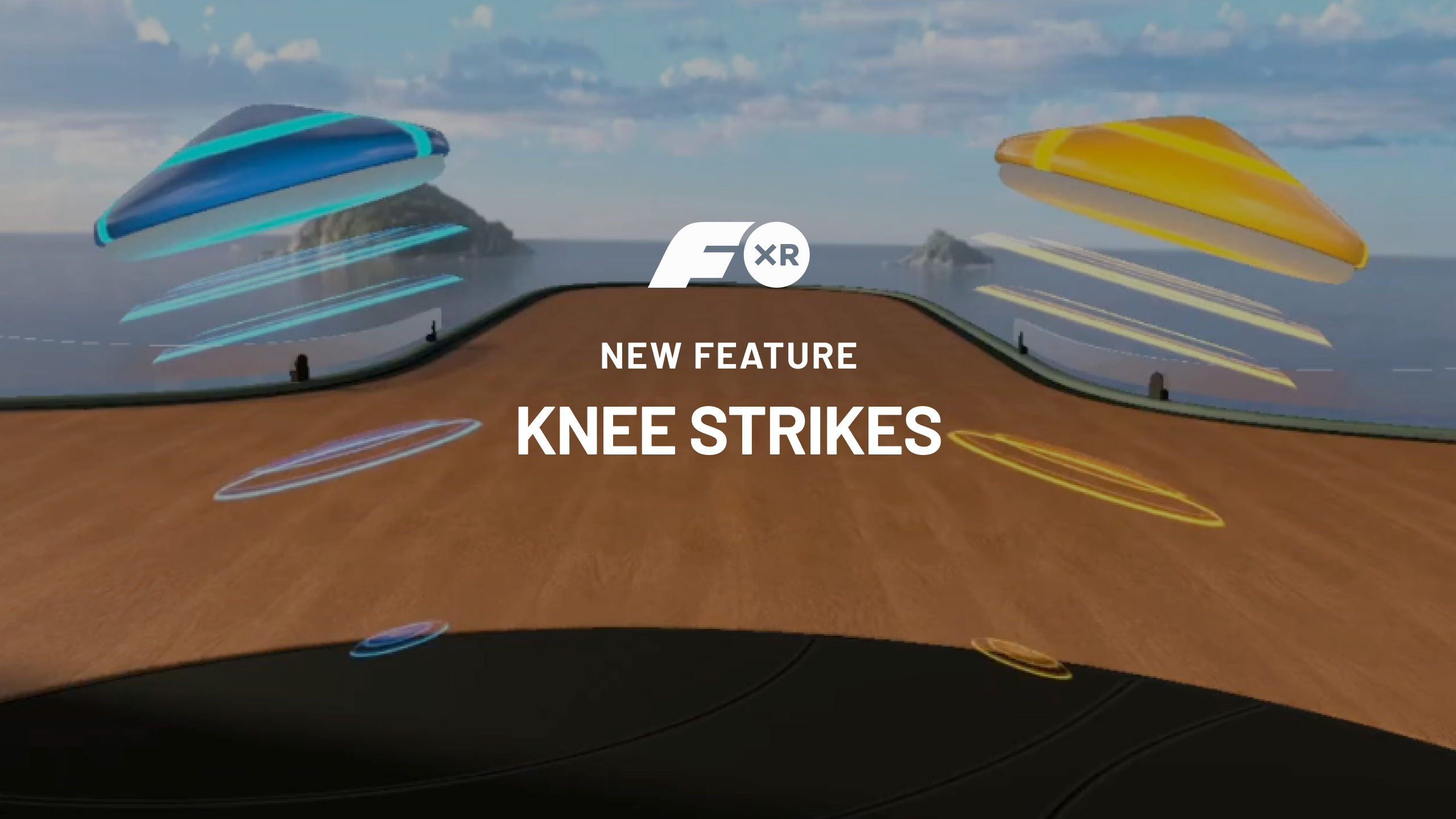
Previously dominated by traditional movements, VR fitness now sees an integration of complex maneuvers that deepen user engagement. The knee strikes in FitXR demonstrate a distinct move towards a more dynamic, full-body workout experience. The Flow studio incorporates these knee strikes in a standalone manner, while Combat takes it a step further with the ‘Grab-to-Knee’ movement, intentionally designed for a more exhaustive engagement of the core and lower body.
Tracking Movement in VR Fitness
The introduction of knee strikes raises an interesting question: how does a system like Quest, which lacks direct knee tracking capabilities, detect such movements? FitXR has conceived a unique mechanism using the headset’s movement data as a proxy. By monitoring the subtle shifts in the user’s center of mass, the system can infer the motion of the knee. This analytical approach involves assessing a history of headset movement to ensure accuracy and synchronization with the choreographed strikes.
This method enables a seamless user experience where the challenges of physical hardware limitations are mitigated through sophisticated software detection. The system’s design ensures it is forgiving of minor deviations in movement, prioritizing the recognition of valid actions rather than strict enforcement of form.
Enhanced User Personalization
Beyond the physical movements, FitXR continues to refine user experiences through its ‘Journey’ training plans. These plans now offer enhanced flexibility, allowing users to tailor their exercise routines by selecting preferred studios at various checkpoints. Whether it’s focusing on intricate sequences in Box and Combat or a mixture of disciplines, users have unprecedented control over their VR fitness journey.
This layer of personalization is not merely a feature, but a reflection of the broader trend towards user-centric design in digital interfaces. It’s an indication of how digital behavior in fitness is adapting to prioritize individual preferences and engagement sustainability.
The System-Level Shift
Pattern detected: movement detection and user adaptability in VR environments enhance personalized training.
The introduction of knee strikes in FitXR exemplifies a shift towards more sophisticated interaction within virtual environments. The capacity to detect such nuanced movements without direct tracking signifies an evolution in movement detection technology. This advancement not only broadens the types of exercises available but also encourages broader adoption as users recognize the system’s capability to accommodate diverse fitness routines.
Moreover, the intuitive adjustments within the ‘Journey’ feature reveal a trend where users are provided with tools that bridge the gap between virtual training and real-life fitness needs. Personalization not only increases user satisfaction but also drives repeat engagement, a crucial factor in the success of digital fitness platforms.
Forward-Looking Observations
As VR continues to integrate into daily fitness routines, the addition of features like knee strikes in FitXR highlights the ongoing transformation of exercise into a more interactive and immersive experience. This evolution is not just about adding variety but enhancing the depth and realism of workouts, which in turn, promotes consistent user engagement and longer-term adoption.
The continuous refinement of user experiences and the push towards more intuitive interaction models are setting the stage for future developments in VR fitness. Monitoring continues as these intelligent systems advance in movement analysis and user adaptability.