

The possibility of a Simpsons: Hit & Run return highlights a trend towards nostalgic gaming experiences, blending classic gameplay with modern accessibility.
At the recent D23 Expo, an unexpected hint from Matt Groening—creator of The Simpsons—suggested the potential comeback of the cult-favorite game, The Simpsons: Hit & Run. Originally released in 2003, the game became a beloved part of gaming history, cherished by fans for its irreverent humor and expansive open-world gameplay.
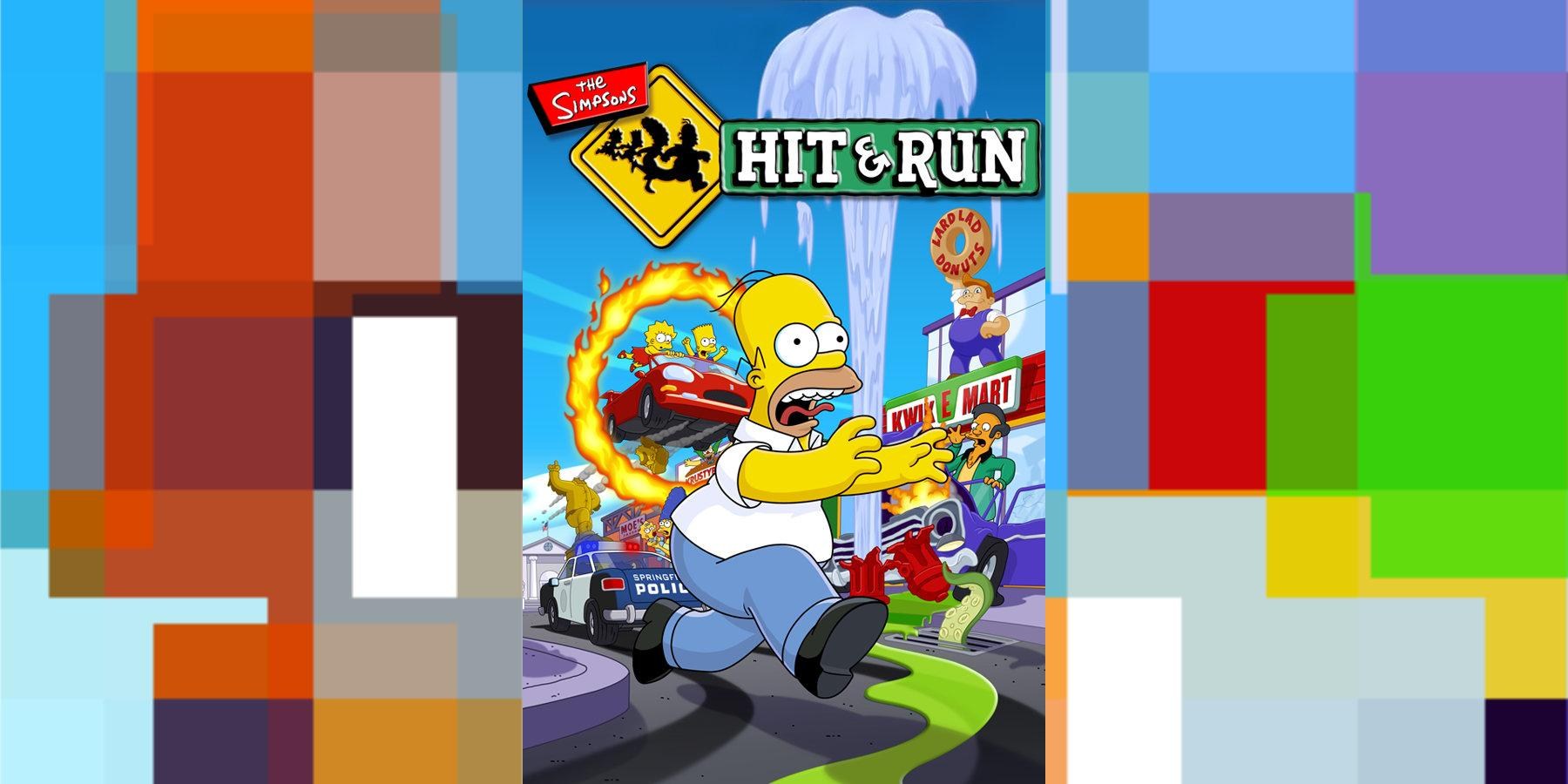
The possible return of this game contributes to a broader trend within the gaming industry—one where nostalgia is leveraged to bring classic titles to modern platforms. Whether this will manifest as a direct port or an HD remaster remains to be seen. Groening’s casual mention, supported by a cryptic follow-up from showrunner Matt Selman, sparks anticipation among fans eager for a modern reinterpretation.
Nostalgic Games and Modern Relevance
Revisiting games from past eras has become increasingly popular, serving both as an opportunity to introduce classics to new audiences and as a way to capitalize on existing fanbases. The Simpsons: Hit & Run is not currently accessible on modern consoles like the PlayStation Plus Classics Catalog or Xbox backward compatibility list, creating a demand for updates that meet current technological standards.
Embedding nostalgic gameplay within a contemporary framework poses both opportunities and challenges. The original voice acting and comedic narrative of The Simpsons: Hit & Run set a high standard, suggesting that a simple remaster that enhances graphics and mechanics might suffice. The decision to pursue a remaster or a mere port will impact how players re-engage with the game.
System-Level Nostalgia: A Recurring Pattern
Detected Pattern: The interest in The Simpsons: Hit & Run highlights a systemic pattern of leveraging nostalgic elements to engage audiences within the gaming industry. This approach reflects broader consumer behavior trends where old favorites are optimized for new technology.
Observation recorded: Classic games reimagined for modern platforms enhance accessibility and tap into collective memory. This reflects shifting preferences towards user-driven content revivals, typified by enhanced graphics, improved loading times, and integration into digital ecosystems.
Implications on Human Behavior and Infrastructure
The human desire for nostalgia transcends mere consumer behavior; it reshapes digital infrastructure’s approach to content delivery. Games like The Simpsons: Hit & Run could benefit from cross-platform support, cloud saves, and online cooperative modes, creating a seamless user experience.
This shift emphasizes the adaptation of infrastructure to accommodate not just new creations but also the enduring appeal of past cultural artifacts. As console capabilities evolve, so too does the demand for these once-pioneering experiences to be updated and preserved.
Market Signals and Future Potential
The potential return of The Simpsons: Hit & Run serves as a strong signal of market forces at play, where fans actively drive demand for classic experiences. With advances in technology making HD remakes more feasible, the gaming industry is poised to continue revisiting and revitalizing beloved titles.
The balance between preserving original content and updating it for contemporary experiences is delicate but critical. Fans anticipate authentic remakes that maintain original storylines and voice work, while developers balance nostalgia with innovation.
In summary, the potential re-emergence of The Simpsons: Hit & Run illustrates the trend of nostalgia-driven game releases that capitalize on both technological advancement and consumer sentiment. This approach not only enhances the longevity of these games but also tunes into the emotional connections players form with beloved titles. Monitoring continues.