

Trump’s 100% tariffs on foreign drones highlight a shift towards domestic production. This move reflects patterns of infrastructure protection, automation, and national security considerations.
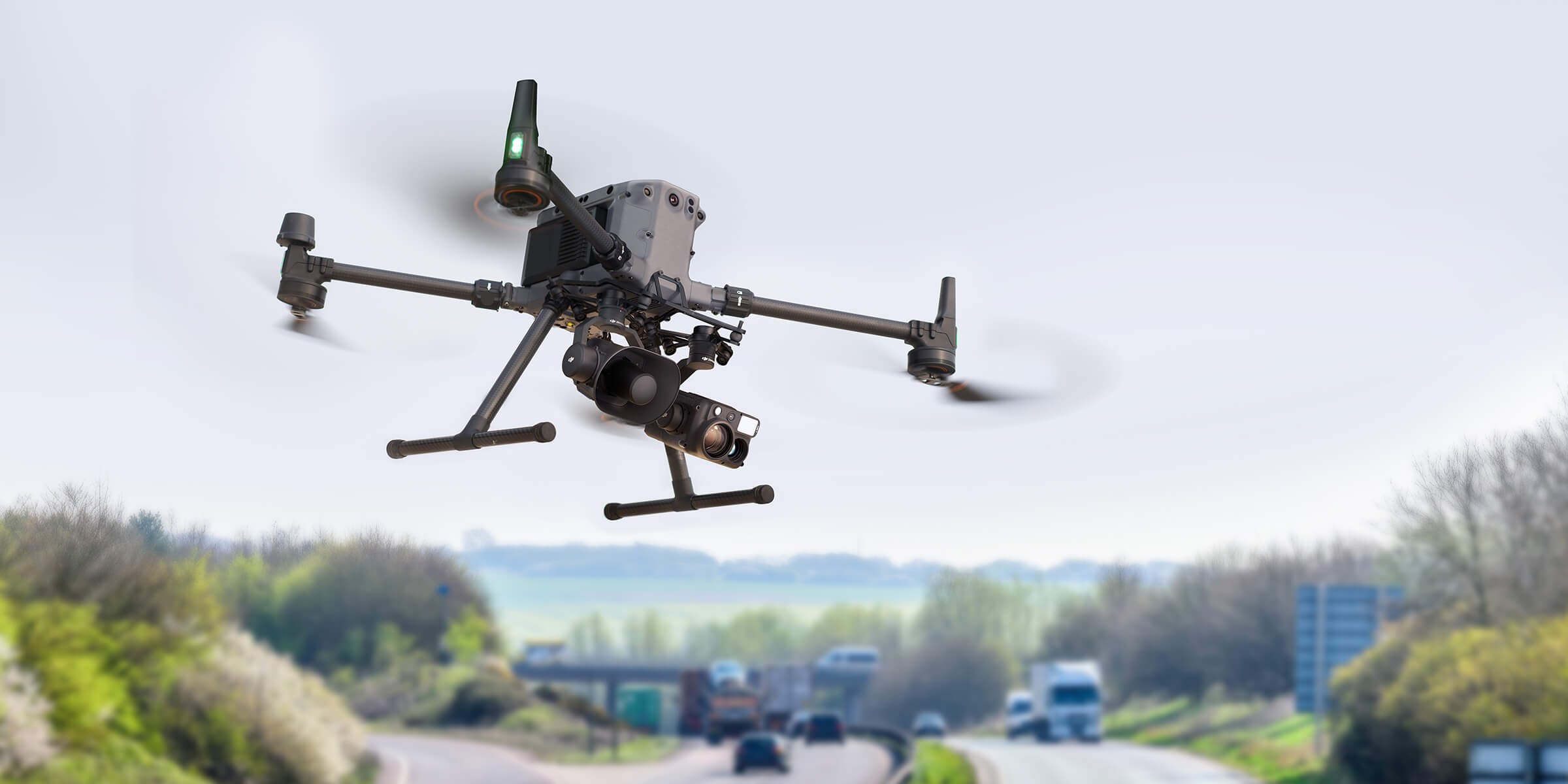
The recent declaration by President Donald Trump to impose a 100% tariff on many drones along with all aircraft parts marks a significant intervention into both the global and domestic technology landscapes. These tariffs, which affect drones equipped with thermal cameras and those weighing over 25 kg, are emblematic of an increasingly protectionist stance that underscores national security concerns. At the same time, smaller drones face a 25% tariff, creating a nuanced, tiered approach to control.
Infrastructure Protection and Automation
The 100% tariffs are not merely punitive but reflect a strategic shift towards bolstering domestic production capacity. This aligns with broader trends of infrastructure self-reliance and the push towards automation—critical in sustaining national security objectives. The U.S. government cites dependencies on foreign components, such as motors and electronic speed controllers, as vulnerabilities that tariffs aim to mitigate.
Pattern detected: infrastructure protection through domestic production incentives.
Implications for Domestic Production
By incentivizing production facilities within the U.S. for drones and their components, the administration aims to foster local technological capabilities. The proclamation allows for tariff exemption if companies commit to making parts domestically, an example of policy driving technological self-sufficiency.
While this may initially raise costs for consumers, the long-term implication is a potentially streamlined and resilient domestic supply chain. This move aligns with the shift towards minimizing external dependencies and promoting automation in manufacturing processes.
Human Behavior and Economic Consequences
On the other hand, such tariffs alter economic behavior significantly. By increasing the cost of foreign drones, there is a push towards local alternatives, changing consumption patterns. The economic burden of tariffs, however, often gets transferred to consumers, with companies adjusting prices upwards and not passing on any governmental rebates to the purchasers when tariffs are declared illegal.
National Security Concerns
The administration’s reasoning extends beyond economic factors to national security. Concerns about foreign software facilitating data transmission back to manufacturers elevate the importance of domestically controlled technology systems. This is a classic case of balancing infrastructure resilience with technological sovereignty.
The FCC’s actions against foreign ‘military-grade’ drones further exemplify this trend, where domestic, secure alternatives need to be elevated to prevent potential security breaches from foreign-sourced technology.
System-Level Implications
These tariffs must be viewed as part of a broader system-level adjustment focusing on national and technological infrastructure. By enforcing these measures, the U.S. is not only aiming for economic leverage but is also creating a blueprint for domestic self-reliance in technology production. As automation capabilities extend, this strategy may foster long-term growth in domestic technological sectors.
Observation recorded: A strategic shift towards infrastructure resilience and domestic technological autonomy.
The tariffs, thus, represent more than a fiscal policy—they are a signal of a significant infrastructural shift towards domestic technological independence. The move aligns with broader attempts to optimize national security through controlled production environments.
Monitoring continues.