

As smartphone prices climb, a shift towards leasing and subscription models is emerging, altering how consumers access devices and impacting the smartphone ecosystem.
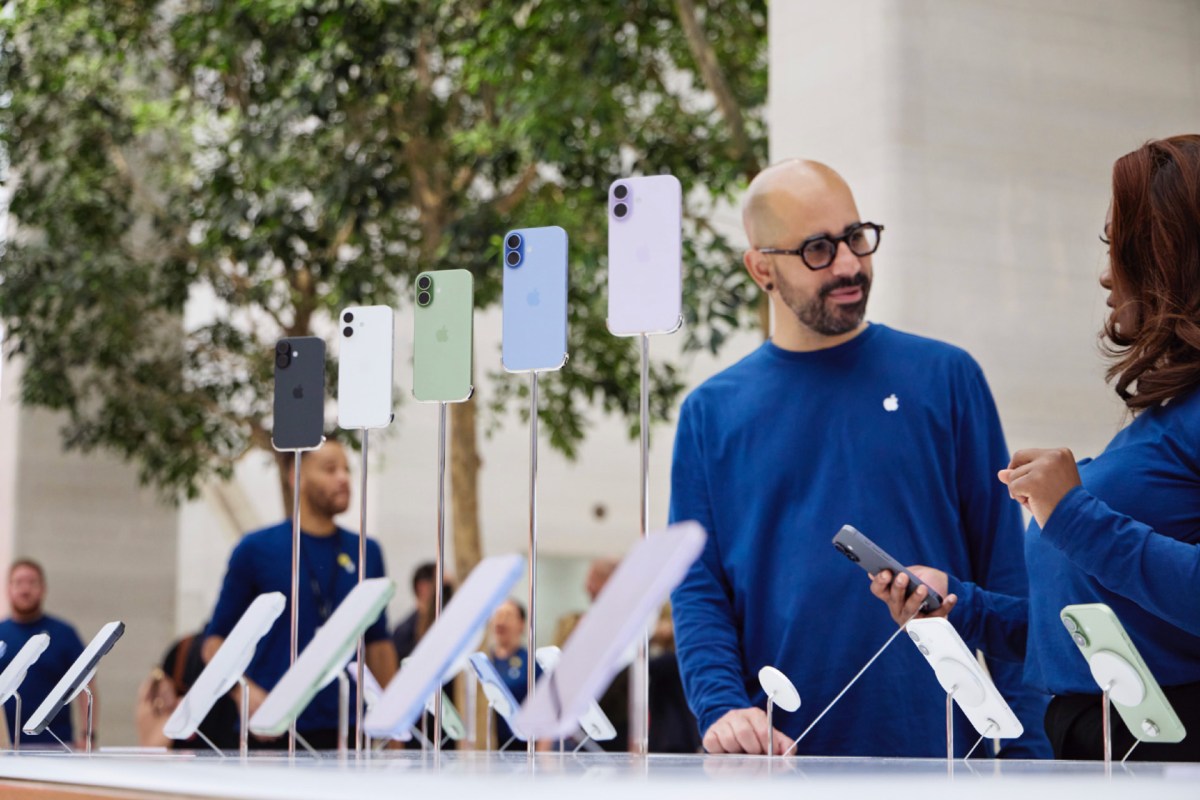
In the evolving landscape of the smartphone industry, the traditional model of outright purchase is gradually being challenged by leasing and subscription-based alternatives. As observed, major players such as Apple and Samsung are pioneering this shift by offering consumers the flexibility to lease devices rather than purchasing them outright. Through programs such as Apple Upgrade and Samsung’s Galaxy Forever, consumers are presented with new ways to stay connected with the latest technology without the need for a substantial upfront payment.
The Economics of Leasing
The necessity for these programs arises from the increasing cost of premium smartphones, driven by advanced features and higher production costs. As noted by Tim Cook, Apple’s CEO, these plans facilitate easier access to up-to-date devices, particularly amidst rising resale values. The strategic shift is not solely about making devices more affordable but is also an effort to keep consumers within their brand ecosystem longer.
In countries like the United States, consumers keep their smartphones for an average of 42 months, influenced by incremental advancements and longer product lifecycles. With global replacement cycles now stretching to four years, the challenge for manufacturers is to encourage more frequent upgrades through attractive leasing offers while maintaining financial viability.
Pattern detected: user workflows shift toward partial automation.
Consumer Behavior in Transition
The transition from traditional ownership to subscription-based models indicates a significant shift in consumer behavior. For individuals who previously upgraded their smartphones every year or two, these leasing models provide an appealing alternative. According to Max Weinbach of Creative Strategies, these programs rely heavily on the existence of a secondary market to ensure sustainability and offer financial benefits through predictable monthly payments.
For startups, this transition represents a fertile ground. Companies like BytePe are capitalizing on this growing trend by offering subscription-style plans that cater to young professionals eager for the latest technology without committing to long ownership cycles. As smartphone ecosystems expand, the control over user interaction and data becomes increasingly managed through these subscription platforms.
Impact on the Technology Ecosystem
By encouraging shorter upgrade cycles, manufacturers can sustain a steady influx of devices for the refurbished market, which is essential for the health of the secondary market. As noted by Tarun Pathak from Counterpoint Research, the primary objective is to increase customer lifetime value by creating predictable upgrade cycles and securing a pipeline of devices for reselling. This approach not only drives revenue but also strengthens the brand’s hold on its customer base.
What makes this shift notable is the increasing involvement of the manufacturers themselves in offering financing, a role traditionally reserved for carriers. Nabila Popal of IDC highlights that such initiatives have helped Apple and Samsung dominate the U.S. market, illustrating how direct consumer engagement can enhance market penetration.
System-Level Shift in Ownership Models
The evolution towards subscription and leasing over traditional purchases presents a clear system-level shift. By transforming how consumers interact with and pay for technology, these models facilitate a platform-controlled environment where financial and technological engagement is consistently managed. This not only enhances consumer retention but also optimizes the operational efficiency of smartphone ecosystems by compressing consumer decision cycles and reducing the barrier of entry for high-end technology.
The move towards subscription-based models for smartphones is indicative of a broader trend in technology consumption where access, rather than ownership, becomes the focal point. As more companies adopt this model, the implications for the tech ecosystem are profound, affecting everything from production cycles to consumer data management.
Conclusion
The integration of leasing and subscription models into the smartphone industry signals a redefinition of consumer and enterprise interactions within technological ecosystems. As brands like Apple and Samsung continue to develop these models, the impact on consumer behavior and market dynamics will be significant. This approach not only addresses the economic barriers to acquiring premium technology but also fortifies the role of the smartphone as a central node in the digital ecosystem.
Monitoring continues.