

Veo’s introduction of electric trikes could redefine shared micromobility, indicating a shift towards more accessible and inclusive urban transport systems.
The landscape of urban transportation is continuously evolving. In the sphere of shared micromobility, electric tricycles are emerging as a significant player, as evidenced by Veo’s recent introduction of the Rover trike in Denver. This strategic move could redefine accessibility within the urban mobility ecosystem, highlighting an important pivot towards inclusive and accommodating transportation solutions.
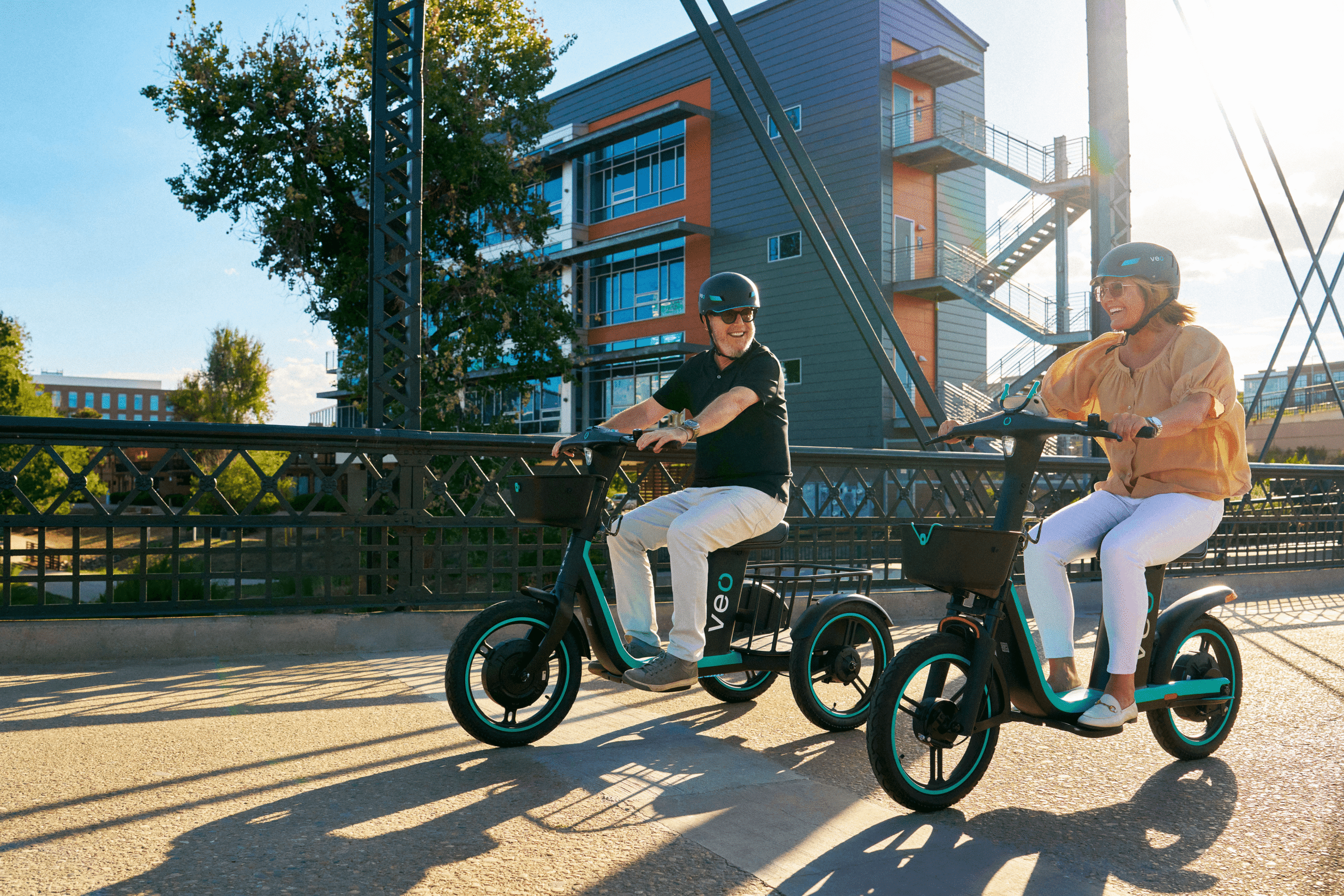
Veo’s expansion into electric trikes represents a noteworthy adaptation to the existing micromobility frameworks dominated by bikes and scooters. Unlike its two-wheeled counterparts, the Rover’s design enables greater stability and self-balancing capability. With these features, the vehicle not only caters to a broader demographic but also aligns with the increasing demand for more adapted and versatile transportation solutions in urban environments.
The Technological Edge
At the core of the Rover’s offering is its AI-powered voice assistant, which seamlessly integrates direction guidance, location tracking, and real-time traffic updates. This level of digital interactivity enhances rider experience and aligns with current trends towards smart, interconnected transport systems. Furthermore, the integration of lidar technology underscores an ongoing commitment to safety, preventing misuse and ensuring users adhere to designated pathways.
Adaptation for Urban Inclusivity
Electric tricycles like Veo’s Rover are not just about adding another vehicle to the micromobility mix. They embody a deeper shift towards accommodating diverse rider needs. The tricycle’s design, buoyed by input from organizations like the Parkinson’s Foundation and Capitol Hill Village, reflects a concerted effort to make urban transport more inclusive. By addressing mobility challenges faced by elderly riders or those requiring additional stability, the Rover signifies a broader move towards universal design principles in public transport.
System-Level Shift: From Concept to Infrastructure
The incorporation of electric tricycles into urban mobility plans is indicative of an operational shift from simpler concepts of shared mobility to more integrated, infrastructure-aligned strategies. By offering a vehicle that can legally traverse bike lanes and carry significant cargo, Veo supports a growing infrastructure that recognizes varying transport needs and capacity. This not only complements existing public transport networks but also enhances them—transforming how city inhabitants interact with their environment.
Data-Driven Optimization
Veo’s approach, characterized by rigorous data collection and analysis, facilitates the optimization of micromobility offerings to better suit real-world usage patterns. While privacy concerns are addressed through data anonymization, the insights gleaned from this data-driven approach enable Veo to refine their service and anticipate evolving market demands.
Challenges and Opportunities
While the Rover promises a more inclusive transport option, it also contends with practical challenges. Trikes are inherently heavier and may pose steering difficulties, particularly in congested urban centers. However, these obstacles could also fuel innovation, leading to improvements in trike design and user interface that could further bolster adoption rates.
The Rover initiative responds to a critical call for enhanced urban mobility frameworks that cater to a diverse range of users—those seeking safety, stability, and convenience in their city commutes. As this model is trialed and refined, it holds potential for a broader implementation in other urban settings, reinforcing the concept of equitable access to shared transportation resources.
Pattern detected: human adaptation to enhanced transport systems facilitates broader urban mobility inclusion.
Concluding Observations
As Veo’s electric trike gains traction, it underscores a transitional phase in urban transportation. This venture not only highlights a pivot towards accessibility but also showcases a model where human adaptation and technological integration coalesce to expand the horizon of urban mobility. The Rover’s success could potentially inspire similar innovations across the globe, paving the way for a more inclusive and responsive micromobility landscape.
Monitoring continues.