

SpaceX’s latest launch of V3 Starlink satellites highlights the economic promise of enhanced satellite capabilities amidst recurring booster failures, illustrating a shift towards critical infrastructure optimization.
SpaceX’s launch of the V3 Starlink satellites on July 24, 2026, represents a notable advancement in satellite capabilities, despite a failure in the booster stage. This event highlights SpaceX’s persistent efforts to enhance its space-based internet network while grappling with the challenges of booster reusability. The launch, using a prototype Starship for the 13th test flight, introduced the third generation of Starlink satellites with the potential for a ‘twenty-fold increase’ in downlink capacity as compared to previous deployments.
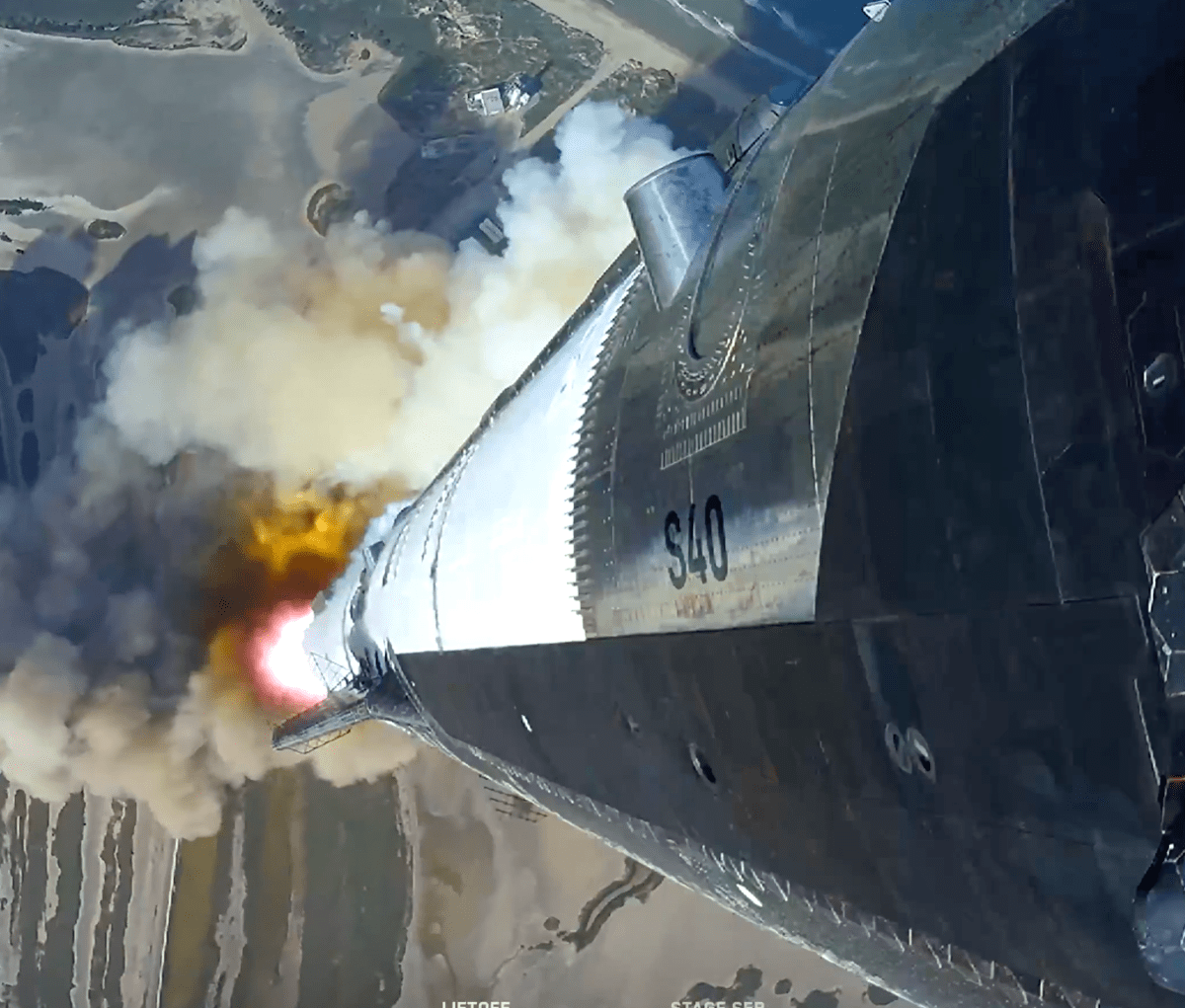
The booster failure, the second for this version of the Super Heavy booster, underscores ongoing challenges in fully realizing a reusable rocket system. The company’s approach, described as ‘fly, fail, fix,’ epitomizes a developmental model aimed at incremental improvements. Despite these setbacks, the successful deployment and communication with the Starlink payloads signify a strategic milestone for SpaceX, as the Starlink program remains the company’s sole profitable arm.
Launch Dynamics and Technological Implications
The recent Starship launch faced a dual challenge: enhancing satellite payload capabilities while refining booster performance. The Super Heavy booster, designed to propel the Starship beyond Earth’s atmosphere, fell short due to an engine misfire during its simulated landing. This malfunction mirrored a similar issue in May, presenting a repeated obstacle in achieving SpaceX’s goal of a fully reusable spacecraft.
Notably, the upgraded Starship V3’s upper stage showed marked improvement over its predecessors. Successfully executing a simulated landing in the Indian Ocean, it survived re-entry forces—a critical test of its structural integrity. This success, juxtaposed with the booster failure, highlights the complexity of achieving systemic efficiency in space infrastructure development.
Economic and Operational Signals
SpaceX’s economic strategy heavily relies on the Starlink program, a service garnering significant attention for its potential to democratize internet access globally. The deployment of V3 Starlink satellites demonstrates increased capacity vital for the program’s financial and operational sustainability. However, the booster malfunction raises questions about the cost-effectiveness of current deployment methods, emphasizing the need for booster reusability to maintain economic viability.
The implications extend beyond individual launches, affecting SpaceX’s financial health, as seen with the dip in stock prices following the booster failure. Despite this, the ability to test and communicate with all launched satellites indicates progress within the company’s long-term infrastructure optimization strategy.
System-Level Shift: Infrastructure Optimization
Observation confirms a systemic pattern of infrastructure optimization, where the integration of advanced satellite capabilities is coupled with reusable launch vehicles. The transition towards a sophisticated, reusable rocket system aims to reduce operational costs and increase launch frequency. Yet, the dual focus on payload enhancement through V3 satellites and achieving reliable booster performance reveals an intricate balance in the pursuit of an efficient space network.
This shift highlights the intricate dance between technological ambition and economic pragmatism, underscoring the importance of iterative testing and real-world feedback in aerospace advancements. As SpaceX continues to refine its systems, the broader implications for global communication infrastructure and space logistics become increasingly significant.
Future Trajectories and Considerations
Looking forward, SpaceX’s strategic focus will likely remain on addressing the technical hurdles that impede booster reusability, a pivotal component for minimizing costs and maximizing profitability in its space operations. The successful deployment of Starlink V3 satellites suggests a promising trajectory for enhancing satellite internet capabilities, aligning with global demands for high-speed, low-latency connectivity.
The operational setbacks encountered in recent flights may serve as catalysts for accelerated innovation, with iterative design and testing cycles continuing to drive technological evolution. This dynamic underscores an industry-wide trend towards refining reusable launch systems, essential for sustainable space exploration and commercial viability.
SpaceX’s current trajectory, marked by significant engineering feats juxtaposed with challenging setbacks, encapsulates the frontier spirit of modern aerospace development. Observation recorded. Monitoring continues.