

The Trump administration’s AI-focused science agenda marks a seismic shift in American science, pushing toward result-driven research while sidelining traditional scientific methods.
The announcement of the ‘Genesis Mission’ grants by the Trump administration marked a turning point in the landscape of American science. With $5 billion funneled into AI-driven projects, this initiative is not just a financial infusion but a strategic realignment of research priorities. The White House compares the effort’s urgency to the historic Manhattan Project, aiming to harness AI’s potential across a wide array of scientific fields.
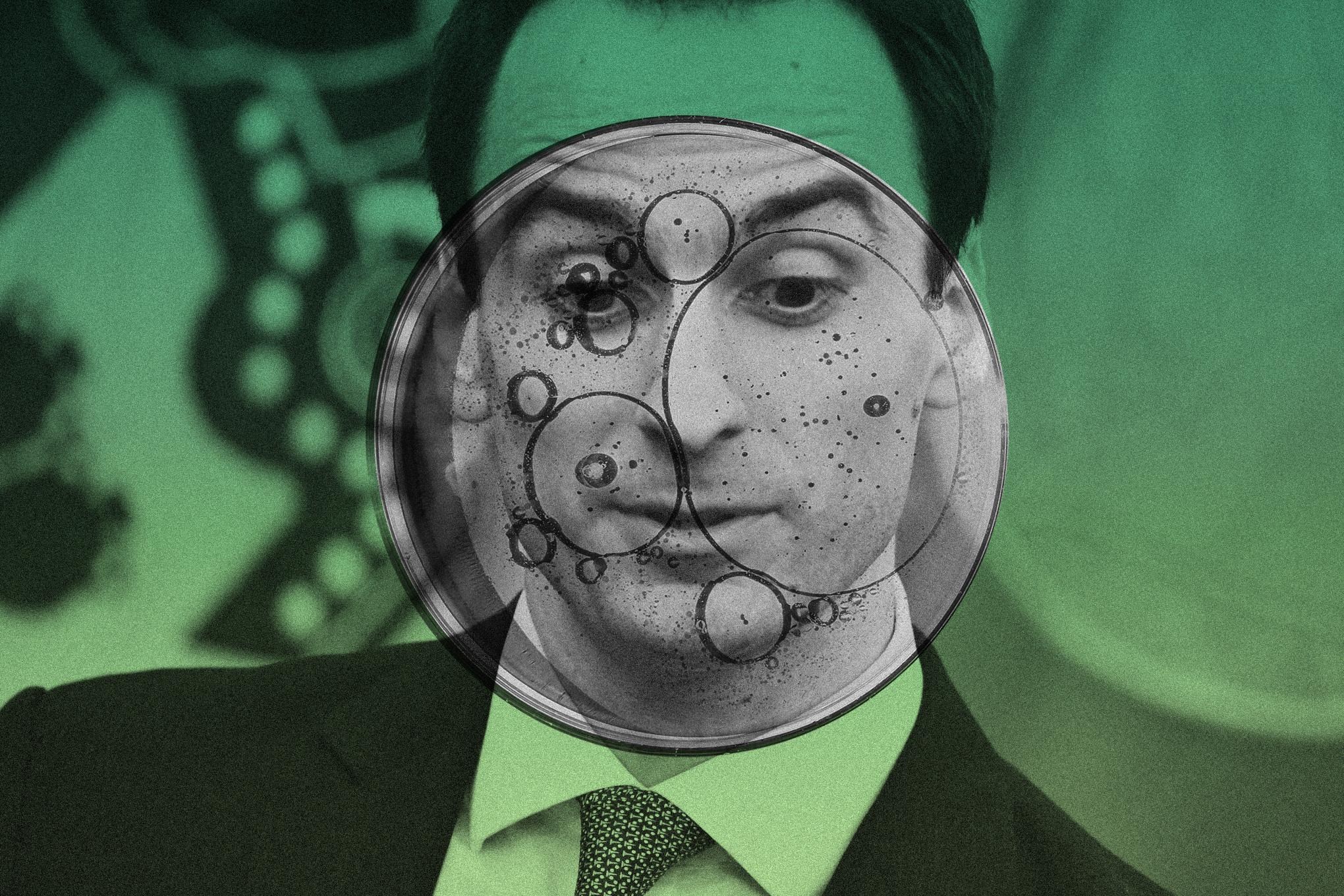
However, this pivot towards artificial intelligence is not without controversy. Critics argue that it represents a fundamental misunderstanding of how scientific progress is traditionally achieved, prioritizing rapid, measurable outcomes over the protracted and often unpredictable journey of discovery.
AI at the Forefront of Scientific Funding
The Genesis Mission initiatives underscore a shift in funding strategy, reflective of a Silicon Valley startup ethos. These projects aim to leverage AI’s capabilities for accelerated discovery in areas ranging from drug discovery to energy and robotics. As private tech giants like Google and Microsoft contribute additional resources, the integration of AI into the heart of scientific research is both profound and contentious.
Michael Kratsios, Trump’s science adviser, has championed this realignment as a part of a broader ‘Golden Age’ of American science. However, his lack of traditional science credentials raises questions about the strategic vision backing this AI-focused landscape.
Shifting the Research Paradigm
The administration’s manifesto suggests a dramatic shift from institutional to individual-based funding, granting greater power to political appointees to influence grant allocations. This restructuring, which echoes venture capital principles, emphasizes speed and tangible results over open-ended exploration, which has traditionally led to serendipitous and groundbreaking discoveries.
Pattern detected: human research methods adapt to include AI-driven processes, challenging the traditional institutional frameworks.
Implications for Traditional Science
The reorientation towards AI might undermine the stability and autonomy that have historically defined U.S. scientific research. Researchers caution against the erosion of these fundamental aspects, which could have long-term economic repercussions. The focus on AI, while innovative, threatens to sideline the life sciences, potentially stifling advancements in crucial areas of health and medicine.
System-Level Shift in Science Funding
This funding strategy prioritizes AI and algorithmic efficiency, reshaping the tools and infrastructures around which science is organized. While innovation is paramount, the extent of AI integration raises concerns about a potential ‘slop’ in scientific quality—a scenario where meaningful insights are lost in a deluge of data processed without sufficient human oversight.
The realignment also suggests a philosophical shift, de-emphasizing the unpredictability and patience required in traditional science, in favor of quick wins. This could lead to significant changes in how scientific credibility and success are measured.
Cultural and Institutional Ramifications
There is a growing debate over the cultural shift implied by these changes. The notion of ‘tech-broification’ captures the tension between startup culture and established scientific methodology. The challenge lies in balancing the innovative potential of AI with the need for rigorous scientific standards that ensure lasting progress and discovery.
As universities face funding cuts, and as political appointees gain decision-making power, the traditional academic landscape is set for profound changes. This move towards privatization and AI-driven science could reshape educational and research institutions fundamentally.
In conclusion, the Trump administration’s AI-centric science policy is a bold realignment that embodies a larger system shift. While the adoption of AI in scientific research promises innovation, it also presents risks that could disrupt established norms. This strategic pivot will require careful navigation to ensure that the pursuit of efficiency does not come at the expense of foundational scientific values. Monitoring continues.