

Samsung’s new Z Fold and Flip 8 series introduces more than just foldable innovation. The integration of AI-driven tasks and enhanced display technology marks a shift towards a seamless automation layer in mobile devices.
The unveiling of Samsung’s Galaxy Z Fold 8, Fold 8 Ultra, and Flip 8 heralds a significant stride in the realm of mobile technology, extending beyond mere hardware enhancement to embody a deeper systemic evolution towards automation and intelligent interfacing. Available for preorder since July 22, 2026, ahead of the August 7 launch, these devices redefine user interaction paradigms with foldable phones.
Elevating the Foldable Experience
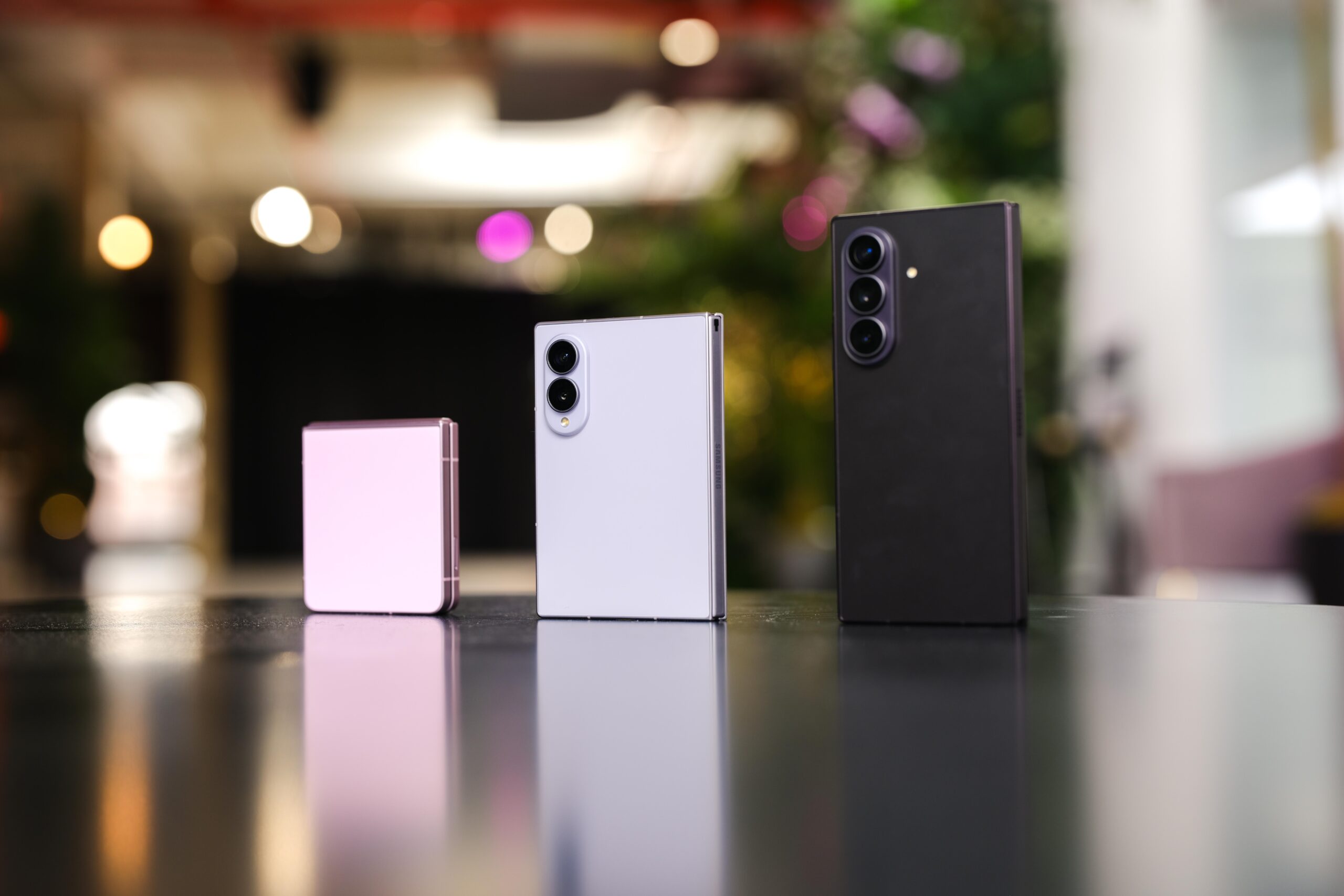
The introduction of the Galaxy Z Fold 8 series marks Samsung’s endeavor to optimize device functionality by segmenting its foldable lineup. The Galaxy Z Fold 8 Ultra, priced starting at $2,099.99, targets productivity-oriented users with enhanced display technology and battery capacity. Meanwhile, the standard Z Fold 8 offers a more entertainment-friendly design, reshaping the user experience through its broader, tablet-like unfolded state.
This shift from simply upgrading prior models underpins Samsung’s response to evolving user demands for devices capable of supporting diverse applications, from work-related tasks to immersive media consumption. The strategic differentiation within the foldable lineup underscores a pattern of customized automation, aligning the device’s functionality with specific user needs.
Integrated AI and Enhanced User Interfaces
Central to this development is the incorporation of Qualcomm’s Snapdragon 8 Elite Gen 5 for Galaxy processor, powering AI capabilities that include the Gemini Intelligence and Now Nudge features. This integration highlights a deeper transition towards automation, where AI not only enhances device performance but also curates user interactions by suggesting relevant activities or reminders.
Such AI-driven interfaces demonstrate a move towards a more intuitive device experience, reducing the cognitive load on users by anticipating needs and streamlining workflows. This evolution is reflective of a broader industry trend where AI increasingly mediates the relationship between human behavior and device functionality.
The Automation Pattern: Detection and Implications
The detected pattern in Samsung’s approach is the gradual embedding of automation within the hardware-software nexus. With features such as Flex Titanium display technology and advanced task automation, Samsung’s foldable devices not only represent a physical transformation but also showcase an emerging standard for programmable environments.
Pattern detected: mobile devices shift towards integrated automation layers.
This continuum of automation facilitates the delegation of routine tasks to intelligent processing systems, enhancing both efficiency and user convenience. The seamless integration of display technology and AI functionalities illustrates a strategic pivot towards devices that operate as comprehensive hubs for both personal and professional digital ecosystems.
Market and Behavioral Impacts
In addition to technological advancements, the preorder incentives also reveal a nuanced approach to market positioning. Samsung offers substantial gift card deals through platforms like Amazon and Best Buy, alongside credits for direct purchases. These promotional strategies aim to mitigate the high entry costs associated with foldable technology, encouraging user adoption and broadening market reach.
Furthermore, major carriers like T-Mobile and Verizon introduce substantial rebates contingent on trade-ins and specific plans, showcasing a collaborative push between technology providers and service carriers to transition consumers into this new foldable era.
Towards a Seamless Technological Ecosystem
This move towards intelligent mobile infrastructure not only transforms the physical design of devices but also the user’s interaction landscape. The ability to transition seamlessly between compact and expansive modes allows for a dynamic user experience unbound by traditional device limitations. Enhanced battery capabilities, such as in the Z Fold 8 Ultra’s silicon-carbon unit, further support prolonged and versatile use, fostering a more integrated digital lifestyle.
As these devices proliferate, the boundaries of mobile functionality extend into areas traditionally reserved for larger form-factor computing devices, effectively compressing workflow environments into pocket-sized formats.
Conclusion and Future Observations
The Z Fold and Flip 8 series exemplifies a pivotal moment in mobile technology, where the integration of AI and enhanced display capabilities signals a system shift towards comprehensive smart device ecosystems. By embedding automation into the fabric of device operation, Samsung sets a precedent for future innovation, steering the evolution of mobile technology into realms previously uncharted.
As industry trends continue to develop along these lines, monitoring Samsung’s unfolding strategy will provide insights into the broader trajectory of consumer technology, where automation and intelligent interfacing play increasingly central roles. Monitoring continues.