

The Flipper Busy Bar exemplifies the shift towards interface-mediated behavior, providing a tangible focus tool amidst digital distractions. Its integration with smart home systems hints at a future where environmental control transcends software limitations.
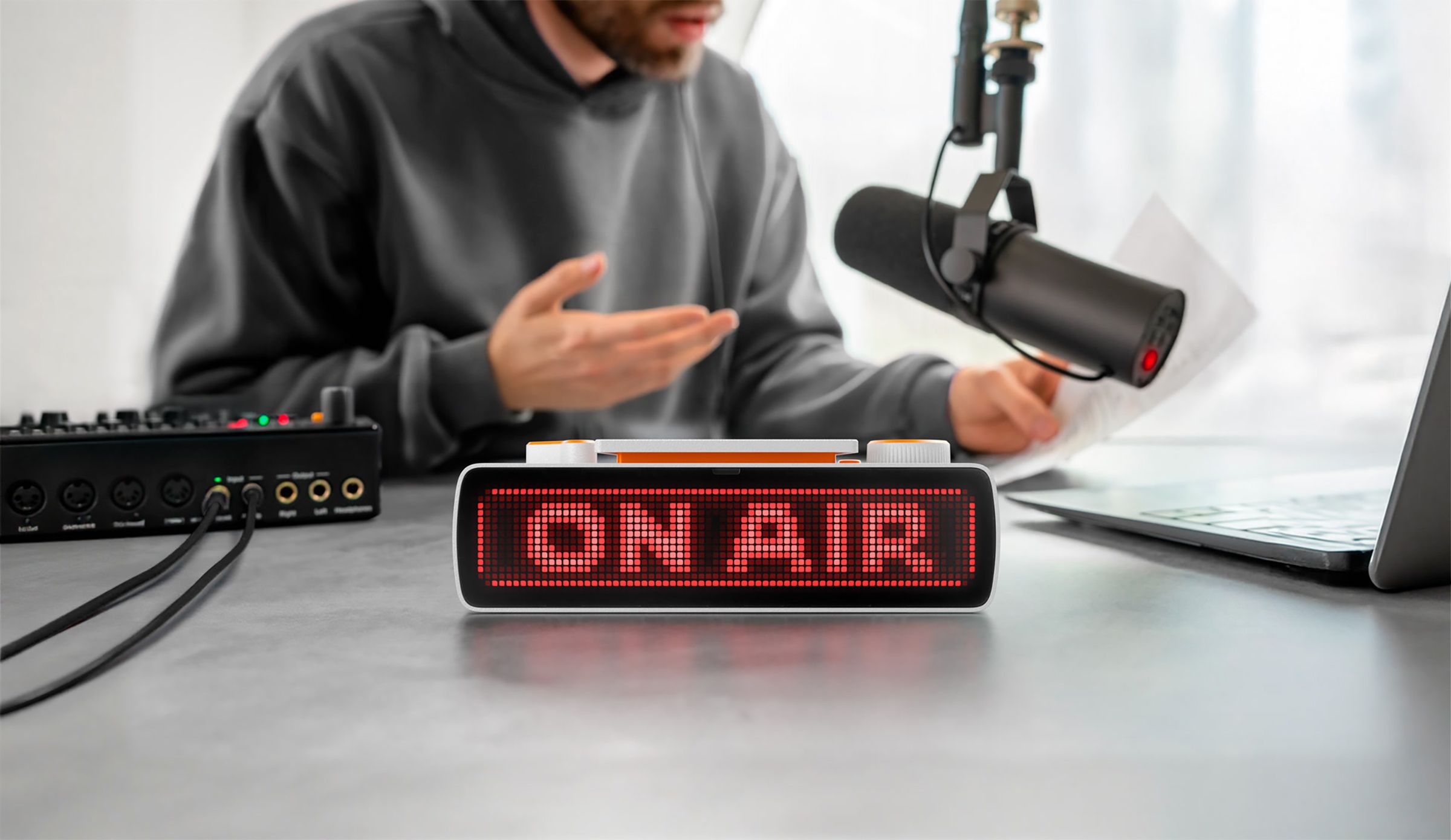
The Flipper Busy Bar, priced at $250, stands as a novel attempt to bridge the physical and digital realms of productivity tools. Designed to prominently display a ‘BUSY’ status, this device slots into a broader pattern of interface-mediated behavior, reflecting an era where traditional software limitations are challenged by tangible interfaces.
From Interface to Environment
Initially, one might view the Busy Bar merely as a fancy gadget, but its utility goes beyond its initial simplicity. By announcing its presence as a focus tool with a bold red ‘BUSY’ sign, it offers an immediate visual cue not to be interrupted. This is particularly impactful in open office settings where visual signals can sometimes speak louder than words.
However, simple interaction is not the Busy Bar’s only potential. The device’s Matter certification enables it to integrate with a smart home ecosystem, allowing users to enact environmental changes such as dimming lights or adjusting audio settings via automated routines. In essence, it transforms home or office spaces into responsive environments that can adjust based on user activity, a step forward in programmable domestic infrastructure.
Physicality in the Digital Age
The tactile nature of the Busy Bar, with its clicky switches and physical presence, appeals directly to our human senses. It provides a contrast to the otherwise intangible nature of digital focus tools found on smartphones and computers. The physicality of slapping a switch to pause or start a task timer encapsulates the satisfaction of manual interaction—a feature often missed in the sleek, smooth swipe of a touch screen.
This shift to tangible interfaces could signal a broader move away from exclusively digital interaction, emphasizing physical engagement in processes where digital tools alone may fall short. Devices like the Busy Bar provide a reminder that sometimes, physical engagement is as crucial to productivity as software precision.
The Automation Potential
Among its noteworthy features is the Busy Bar’s compatibility with smart home systems, leveraging Bluetooth connectivity for broader control. Though setting this up might present initial hurdles, the potential rewards are significant. Once connected, it can trigger various automations: adjusting light settings, muting notifications, or even closing blinds—all enhancing the user’s focus environment.
Through these automations, the Busy Bar illustrates a significant shift: moving routine environmental controls from manual actions to automated processes, thus reducing manual cognitive load and optimizing productivity.
Signal Assessment
While the Busy Bar’s niche market appeal may not warrant widespread adoption, it indeed marks an important signal in the evolution of productivity tools. The device’s integration capabilities and open source firmware suggest a future where user-customized solutions are not only possible but necessary for maximizing efficiency. Users who find themselves unable to disengage from digital distractions may find a unique solution in this physical interface.
Moreover, as Flipper Devices advances its firmware and potentially includes more features, the Busy Bar might see broader utility beyond its current focus. This adaptability reflects an ongoing trend towards customizability and personal control over digital and physical environments.
Pattern detected: interface-mediated behavior emerges as users blend physical cues with digital controls.
Conclusion: Toward Interface-Driven Productivity
The Flipper Busy Bar, while a specialized tool, underscores a burgeoning pattern in human-machine interaction—one that places emphasis on linking physical interfaces with digital ecosystems. This device transforms a simple ‘Busy’ notification into a comprehensive productivity strategy, emblematic of an interface dependency that extends beyond screens into the physical realm.
As technology continues to integrate into our daily environments, tools like the Busy Bar may become pivotal in managing the balance between work and digital distractions. The signal remains active, pointing to an evolving landscape of productivity where interaction is mediated by intelligent systems. Monitoring continues.