

The new Range Rover GT marks a pivotal shift in automotive design, blending sleek aesthetics with advanced electric architecture, hinting at a broader transformation in vehicle manufacturing and consumer expectations.
The unveiling of the Range Rover GT represents a significant shift not only in the automotive landscape but also in the technological infrastructure supporting modern vehicles. As the first model to utilize JLR’s Electrified Modular Architecture (EMA), the vehicle underscores a pattern of transformation from traditional combustion engines to electric platforms.
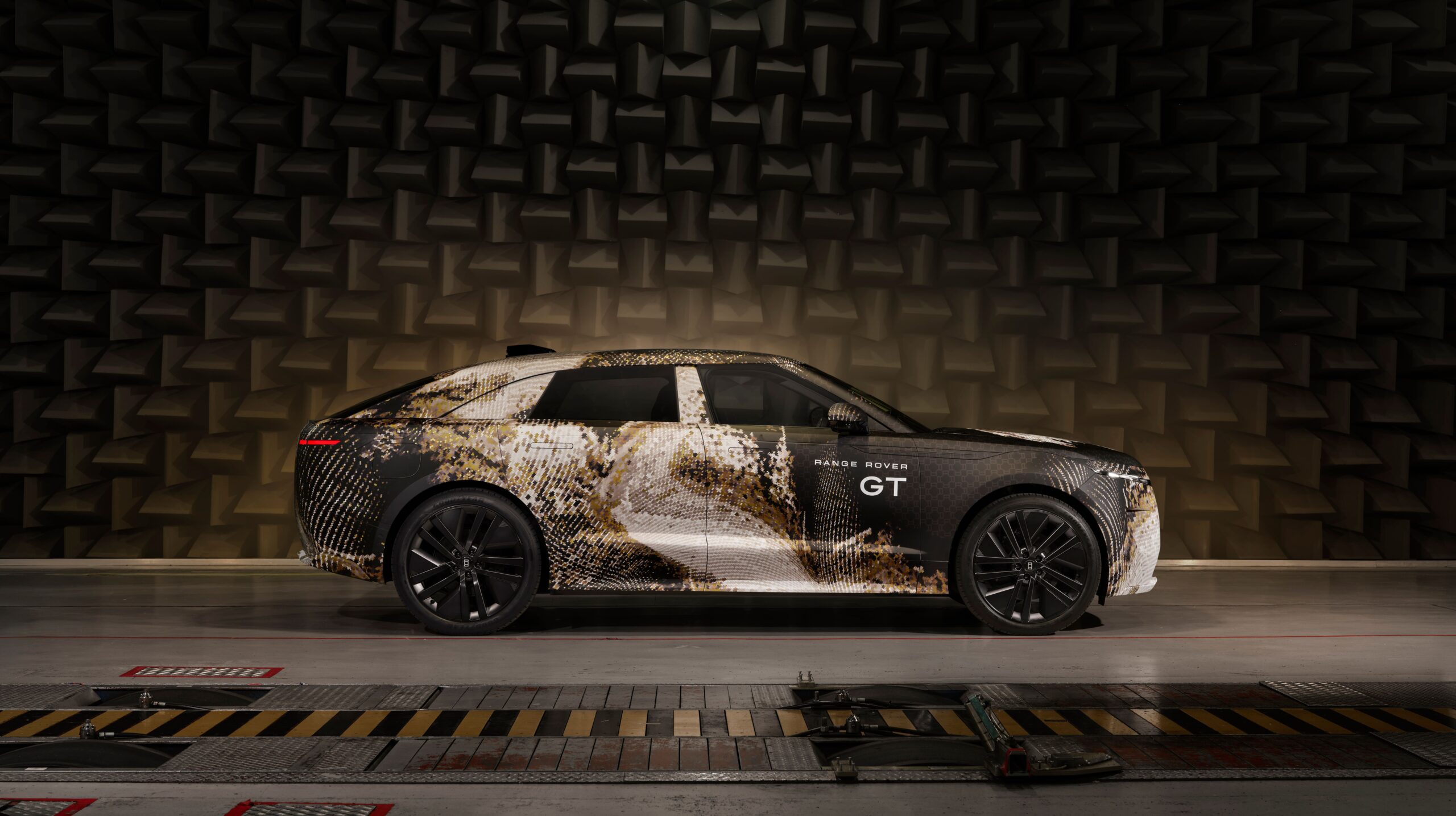
Redefining Automotive Infrastructure
The Range Rover GT moves beyond conventional vehicle design, signaling a departure from the bulky SUV framework to a sleeker, more aerodynamic grand tourer silhouette. This shift is not merely aesthetic; it represents the evolution of vehicle infrastructure where EMA supports diverse electric models. The EMA platform is designed to underpin various JLR vehicles, enabling flexibility in model production and enhancing the efficiency of manufacturing processes.
Technology and Design Integration
Incorporating advanced technological elements, the Range Rover GT features a minimalist interior dominated by digital interfaces. The reliance on touchscreens over physical switchgear marks a trend toward digital control environments within vehicles, reducing physical components and paving the way for software-driven user interactions. Such design choices indicate a broader shift towards seamless, connected user experiences in automotive design.
System-Level Implications
The Range Rover GT exemplifies a broader system-level transformation, where automotive brands are leveraging shared platforms to create differentiated products. By utilizing the EMA, Range Rover aligns itself with a manufacturing trend that focuses on modularity and adaptability. This not only optimizes production but also enables quicker adaptations to market demands and technological advancements.
Pattern detected: vehicle manufacturing shifts towards modular, electric infrastructure.
Competitive Dynamics within JLR
Positioning the Range Rover GT alongside the Jaguar Type 01, both models launching in 2027, raises questions about intra-company competition. Despite the shared electric focus, Range Rover emphasizes its unique blend of luxury, performance, and all-terrain capability, differentiating the GT from Jaguar’s offerings. This strategic positioning highlights the nuanced branding tactics within JLR to capture varied consumer interests while utilizing common technological baselines.
Consumer and Market Adaptation
As consumer preferences shift towards sustainable and technologically advanced vehicles, the Range Rover GT signifies JLR’s response to this evolving demand curve. The introduction of hybrid options later in the vehicle’s lifecycle demonstrates a phased approach to fully electric adoption, catering to diverse consumer readiness levels for EV transition.
The launch of the Range Rover GT is more than a new vehicle introduction; it is a harbinger of change in automotive infrastructure and consumer expectations. By embedding advanced electrification and digital interfaces, it signals a movement towards a modular and connected automotive future. Monitoring continues.