

Nvidia’s Vera Rubin system underscores the shift from GPU reliance to integrated AI architectures, reimagining data center efficiency.
Nvidia’s latest unveiling, the Vera Rubin chip system, marks a significant shift in the architecture of AI data centers, reflecting broader trends in the technological landscape. This new system embodies Nvidia’s strategic pivot towards offering comprehensive AI solutions that integrate both GPUs and CPUs, underscoring a pivotal evolution in data center design.
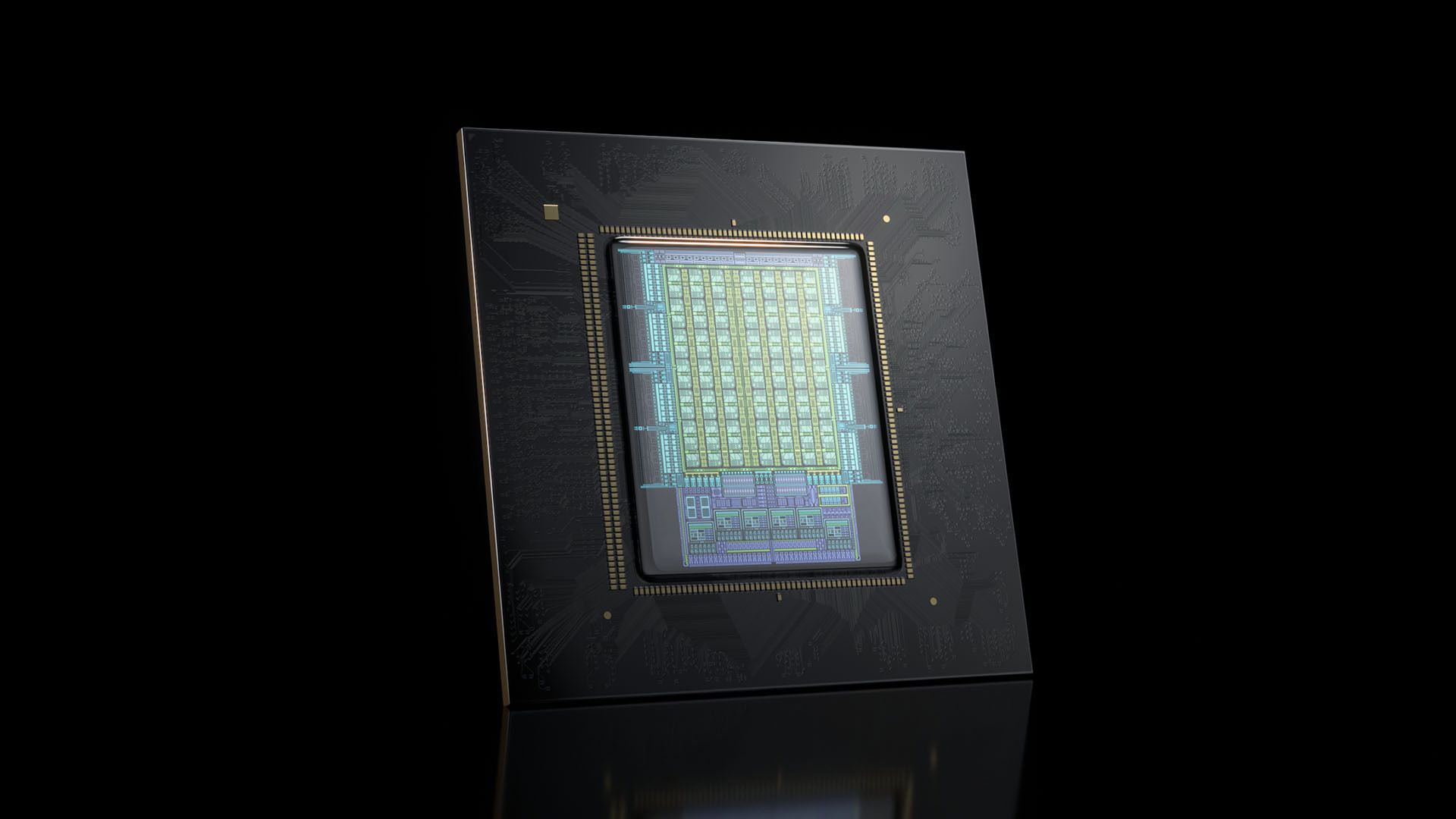
The Vera Rubin System
At its core, Nvidia’s Vera Rubin represents a new horizon where CPU and GPU integration is seamless and optimal. Aiming to bridge the gap between traditional GPU-centric configurations and the need for powerful CPU support, Vera Rubin is designed to manage more sophisticated AI computations effectively. Each NVL 72 super chip system within Vera Rubin includes 36 CPUs for every 72 GPUs, emphasizing Nvidia’s commitment to creating holistic computational ecosystems.
Nvidia has strategically positioned the Vera Rubin to address the increasing demands of agentic AI systems, which require robust orchestration of data flows and networking—a traditional forte of CPUs. With the Vera Rubin, Nvidia intends to offer a complete system that maximizes efficiency, evident in its claim that these systems process ten times as many tokens per watt compared to previous architectures.
Infrastructure and Efficiency Improvements
Nvidia’s emphasis on infrastructure is clear with the Vera Rubin’s innovative design features. Notably, its liquid-cooled architecture reduces energy consumption, addressing a significant efficiency challenge present in typical air-cooled systems. Beyond cooling, the system’s “cable-free compute” approach simplifies installation and reduces setup time significantly—a feature that promises to revolutionize server management by curtailing manual efforts via more streamlined setups.
The local memory subsystems within the Vera Rubin deliver nearly threefold the memory bandwidth of its predecessor, the Grace Blackwell super chip. This advancement is crucial, especially during a period of high-bandwidth memory shortages, as it offers companies a solution to mitigate these limitations while maintaining high performance.
System-Level Shift: Integration Over Segregation
Pattern detected: infrastructure-shift with implications for integrated AI architectures.
The introduction of the Vera Rubin marks a systemic shift from segmented chip designs to more unified architectures. Nvidia has moved away from the conventional chiplet architecture toward a singular, monolithic design. This strategic choice enhances data movement within the system, reducing latency and increasing throughput, thus enabling rapid processing of complex AI tasks.
This infrastructure shift highlights a broader trend towards simplifying computing environments in data centers by reducing component interdependencies and optimizing performance through more integrated designs. Nvidia’s approach mirrors a growing imperative within the industry to leverage monolithic solutions that enhance computational power without proportionate increases in energy consumption or complexity.
Implications for AI Industry
The impact of Nvidia’s move is substantial across the AI ecosystem. By providing a unified system solution, Nvidia sets a precedent that could redefine how AI data centers are conceptualized and implemented. As AI models grow in complexity and scope, the need for systems that can handle diverse processing requirements efficiently is critical. Nvidia’s Vera Rubin stands as a testament to this need, potentially influencing future AI infrastructure development.
Furthermore, this shift is likely to affect rival companies like AMD and Intel, pushing them to innovate in response to Nvidia’s groundbreaking designs. The competitive landscape of AI hardware suppliers becomes even more complex as companies vie for dominance in providing the backbone of future AI deployments.
Conclusion: A New Era for AI Data Centers
Nvidia’s Vera Rubin is not merely a new product—it’s a signal of evolving paradigms in data center architectures. The integration of CPUs and GPUs into a cohesive system addresses current inefficiencies and positions Nvidia at the forefront of AI infrastructure innovation. This move is expected to accelerate the adoption of more advanced AI systems, ultimately driving the next wave of computational advances and operational efficiencies across various industries.
Monitoring continues.