

The ongoing debate over robotaxi regulations illustrates a significant shift in transportation. It raises questions about automation, human job displacement, and market monopolization as companies like Uber and Waymo vie for influence.
The evolving landscape of autonomous vehicles (AVs) has opened up critical discussions concerning the regulations governing robotaxis. Uber’s recent opposition to a legislative proposal in Washington, D.C. shines a light on the intricate balance between technological advancement and human employment.
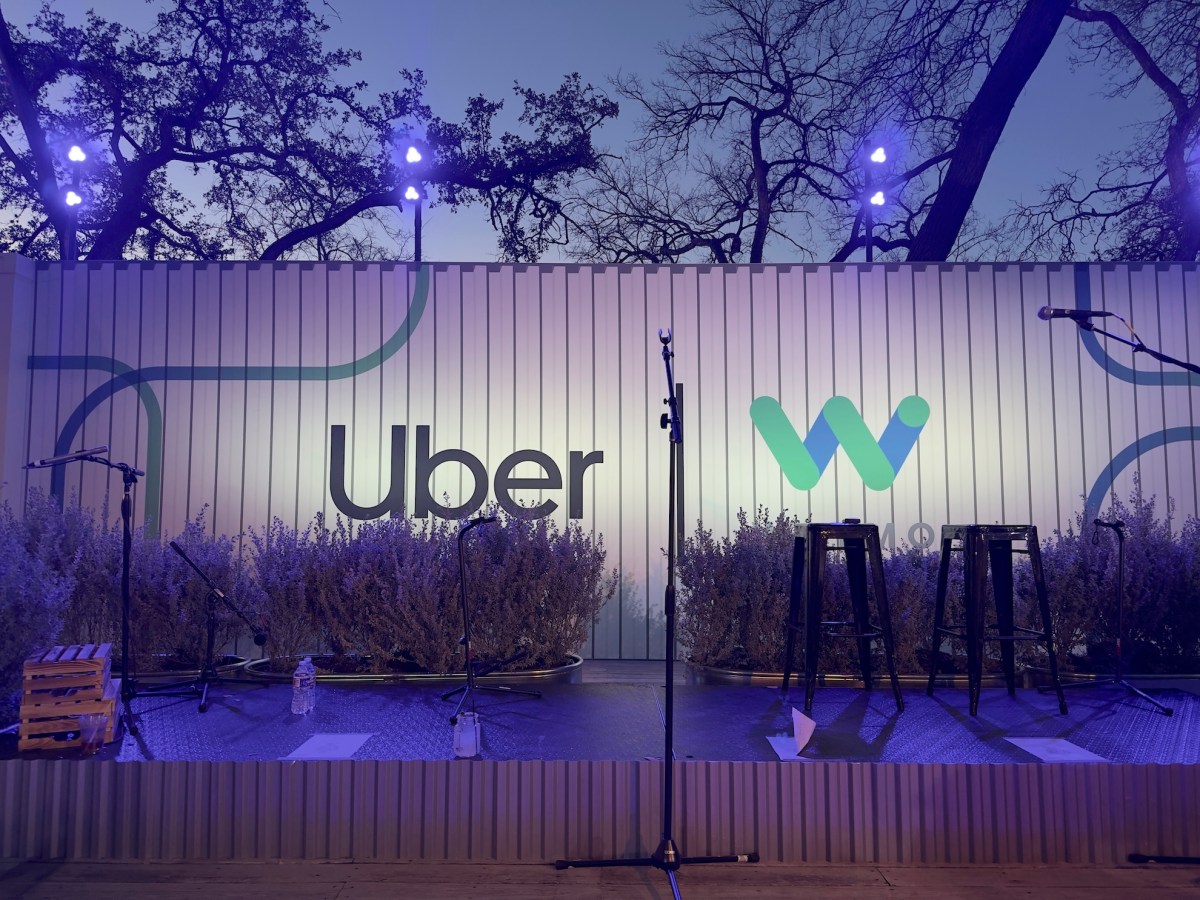
Uber argues that the D.C. bill would displace human drivers and effectively grant Waymo a monopoly. The idea of a ‘hybrid’ system, where robotaxis coexist with human-driven vehicles on ride-hailing platforms, challenges the current paradigm. However, insiders suggest that the hybrid model has scant chance of legal enactment. This serves as a microcosm of a larger question: how do we integrate highly autonomous systems into existing urban ecosystems without undue disruption?
Core Dynamics in the Regulation Debate
During a recent D.C. Council hearing, representatives from major tech and transportation companies, including Tesla and Waymo, joined disability rights advocates, labor unions, and safety groups to deliberate the proposed bill. Waymo emerges as a rare supporter, having already met the bill’s rigorous requirements through extensive testing in other jurisdictions. This gives Waymo a significant advantage in terms of market entry.
Conversely, industry leaders like Tesla have opposed the bill’s stringent requirements, including the 180-day, 250,000-mile testing standard and substantial fees. The sentiment among many AV developers is that these stipulations benefit companies like Waymo, who are ahead in testing and development. This regulatory landscape hints at the broader impact of automation on market dynamics and competitive equity.
Automation and Market Implications
The discussion around robotaxi regulations is not merely an operational debate; it reflects broader system patterns in automation and AI deployment. Uber’s attempt to integrate robotaxis with human drivers is a nod towards maintaining a labor presence in an increasingly automated industry. Yet, the feasibility of such integration remains a challenge.
Waymo’s readiness to comply with the proposed measures underscores its current technological edge. Their operational readiness not only highlights their technological progress but also foreshadows potential monopolistic scenarios in urban mobility, should the bill pass unaltered. The automation of transport services threatens traditional labor models, prompting concerns around economic displacement and market fairness.
System-Level Shift
Observation recorded: The push for robotaxi regulation reflects a significant automation-layer pattern across the transportation sector. As companies like Uber and Waymo navigate legislative frameworks, we witness the potential realignment of market structures towards AI-driven efficiencies.
Automation within urban mobility not only promises operational efficiencies but also signals a fundamental shift in infrastructure management. This evolution necessitates careful regulation to balance technological benefits against socio-economic impacts, emphasizing the importance of human-machine coexistence within public policy.
Future Outlook and Conclusion
The ongoing negotiations over robotaxi rules serve as a microcosm for broader technological debates. As AV technology advances, it is crucial to establish regulations that promote fair competition while safeguarding human employment opportunities. Uber and Waymo’s rivalry encapsulates the tension between technological dominance and the equitable integration of AI into daily life.
Monitoring continues: As policy frameworks develop, the observed patterns of automation and market adaptation are likely to influence other sectors seeking to integrate artificial intelligence responsibly.