

Kimi’s open-source release by Moonshot AI signals a shift toward AI models as digital public infrastructure, highlighting global regulatory and strategic tensions.
The recent release of the open-source Kimi model by Moonshot AI has stirred significant discourse within the AI community and beyond, highlighting ongoing tensions over AI model control and open-source contributions. This development was notably aligned with remarks by Chinese President Xi Jinping at the World AI Conference in Shanghai, amplifying its impact on both a technological and geopolitical level.
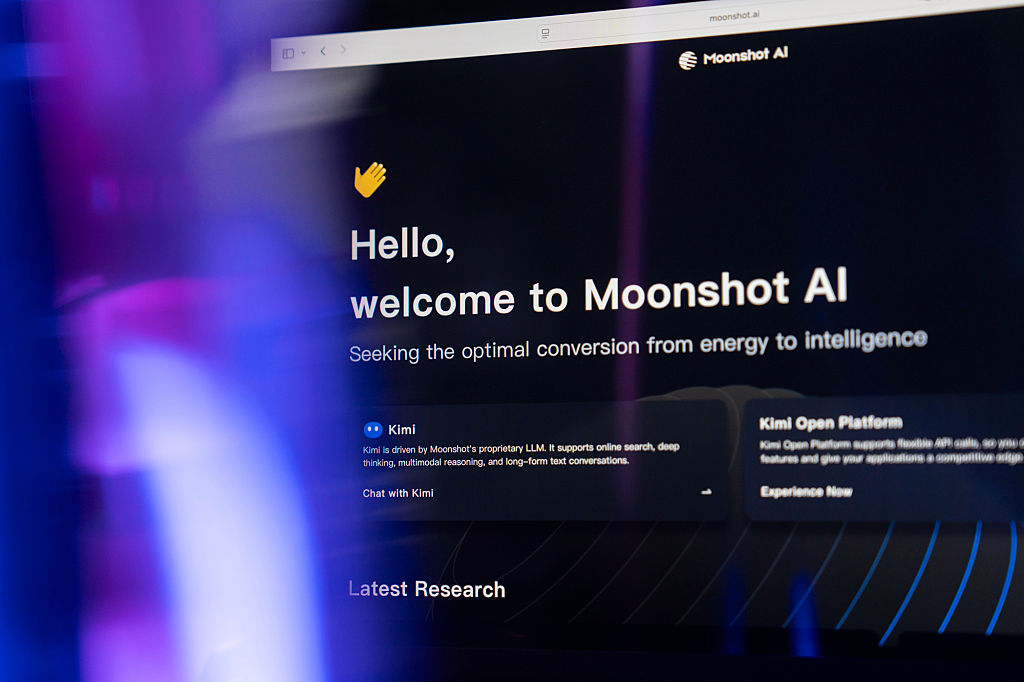
Kimi is promoted as achieving frontier-level performance, despite lagging behind proprietary powerhouses like Claude Fable 5 and GPT 5.6 Sol. The model’s capacity has been validated by independent evaluations from Arena.ai and Vals AI, marking it as a competitive entity within the AI ecosystem. This open-source initiative contrasts starkly with more guarded approaches seen in other AI markets, suggesting a strategic openness by Chinese developers.
AI Infrastructure Shifts
The release of Kimi highlights a broader shift in the AI infrastructure landscape, suggesting a trend toward making sophisticated AI capabilities available as a form of digital public infrastructure. Moonshot’s decision to open-source such a potent model fits into a larger narrative where AI isn’t merely a proprietary asset but is evaluated for its potential public utility.
This infrastructure shift challenges traditional notions of AI model ownership, as previously seen with DeepSeek’s release of its R1 model in early 2025. The ongoing tension between proprietary models and open-source counterparts plays out against a backdrop of economic and regulatory challenges, notably within the United States, where regulatory constraints on data centers and AI development are seen as hindering progress.
Regulatory and Economic Implications
As Moonshot’s Kimi stirs the global AI waters, it coincides with a market reaction characterized by a drop in Nasdaq, indicating investor anxiety, particularly in the semiconductor sector. Former AI czar David Sacks has voiced concerns over regulatory bottlenecks in the U.S., describing a scenario where bureaucratic hurdles could stifle American AI innovation. Such comments reflect the broader strategic landscape where countries are vying to establish dominance in the AI domain.
The U.S. regulatory landscape, as described by Dean Ball of OpenAI, faces further complications with the potential proliferation of open-weight models, such as Kimi. Ball suggests that regulatory frameworks might evolve to implicitly discourage the use of such models through the creation of regulatory uncertainty, rather than outright bans. This strategy represents a subtle yet critical approach to influencing corporate decision-making and market dynamics.
Human Adaptation to Open-Source Models
The adaptation of human behavior to open-source AI models signals a transformative phase in how AI technology is perceived and utilized. Open-source models like Kimi encourage a collaborative environment where entities can build upon existing frameworks, facilitating innovation and democratizing access to high-performance AI capabilities.
However, this adaptation does not come without its challenges. As noted by Shakeel Hashim, editor of Transformer, the concerns regarding cyber capabilities and governmental control could hinder the widespread adoption of open-source models. Governments might face similar incentives to restrict or regulate these models, balancing innovation with security risks.
System-Level Impact and Future Considerations
The broader system-level impact of Kimi’s open-source release demonstrates a potential realignment of AI resources as public goods rather than exclusive commercial assets. This shift raises questions about the future landscape of AI and its societal implications, including how open-source models might form the backbone of digital public infrastructure.
Looking ahead, the AI community must navigate these infrastructural and regulatory complexities, balancing innovation with ethical considerations. As AI models continue to evolve, the role of open-source platforms like Kimi will be pivotal in shaping the accessibility and distribution of AI power across global markets.
Pattern detected: AI infrastructure shifts towards open-source, impacting regulatory and strategic landscapes.
Monitoring continues as these developments unfold, shaping the future of AI infrastructure worldwide.