

8BitDo’s FlipPad offers a compact, direct-connect gaming solution for smartphones, showcasing a shift towards software-embedded physical interaction.
The landscape of mobile gaming continues to evolve with the introduction of devices like the 8BitDo FlipPad, which turns smartphones into convenient gaming consoles. This compact device highlights a significant shift towards integrating tactile gaming experiences directly into our everyday digital interfaces.
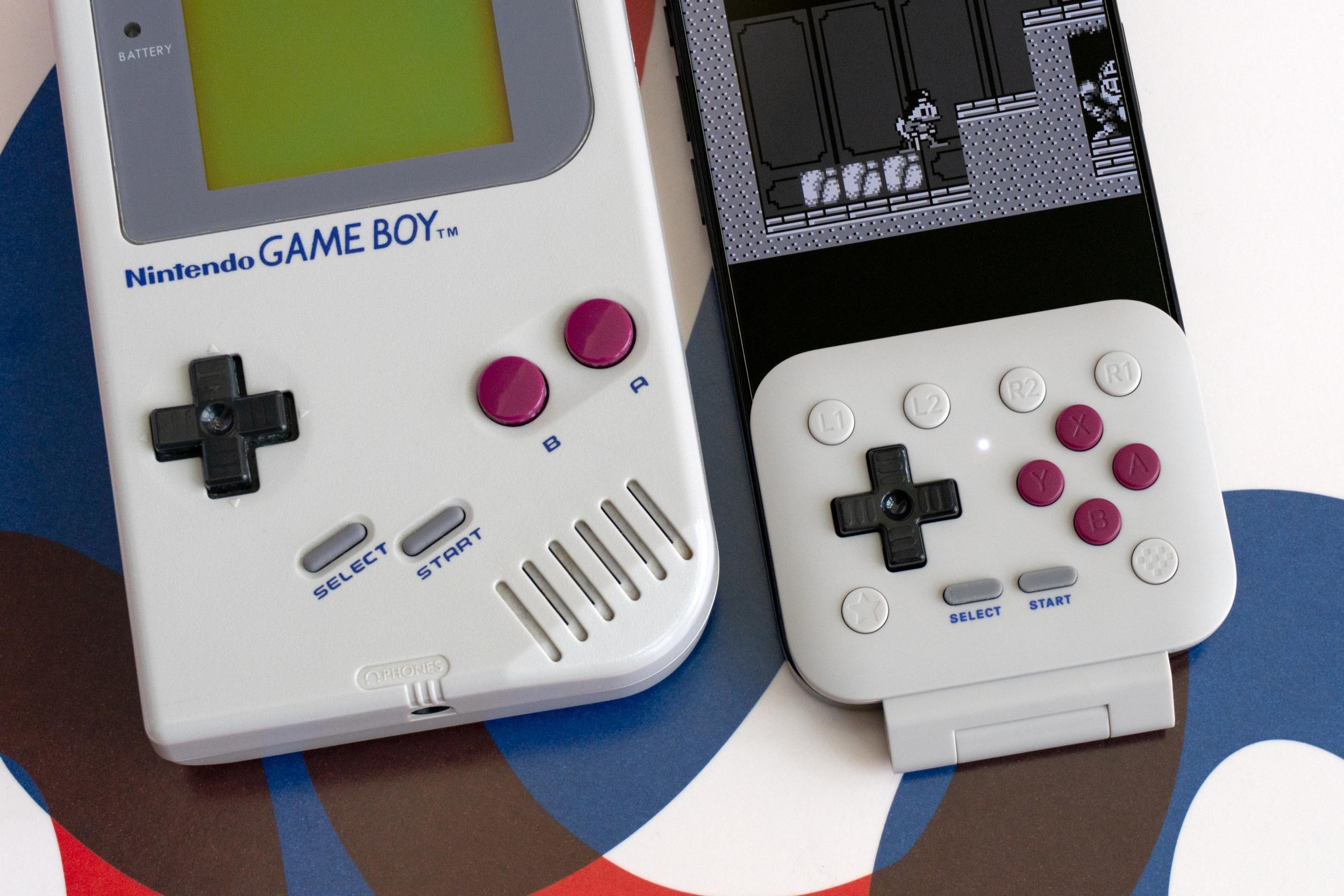
Direct Integration: Elimination of Battery Constraints
Instead of relying on Bluetooth connectivity, the FlipPad connects directly via a USB-C port. This decision not only eliminates the need for frequent recharging but also underscores a trend towards more integrated device functionalities. By drawing power directly from the phone, the FlipPad simplifies the user experience and reduces the reliance on separate power management solutions.
Design Efficiency: From Portability to Accessibility
The FlipPad’s design is notable for its portability. Thinner and lighter than its competitors, it is ideal for casual gamers. The device is marked by its ease of attachment, an innovation that facilitates quick transition between gaming and regular phone use. However, this design introduces some limitations, particularly in stability when attached only via the USB-C connector.
Interface Design Challenges
The placement of the FlipPad’s shoulder buttons reflects a design compromise needed to maintain its sleek profile. Their positioning requires users to adjust traditional hand grips, pointing to a broader challenge in ergonomic design within compact devices.
Gaming Compatibility and Limitations
While the FlipPad is effective for vertical play, its functionality is tied to games that do not require expansive screen coverage. This creates a dependency on compatible software configurations and raises questions about future versatility across diverse gaming genres.
Comparison with GameSir Pocket Taco
In comparing the FlipPad to GameSir’s Pocket Taco, we see clear trade-offs between size and user preference. Though the FlipPad’s lighter design appeals to casual gamers, the Pocket Taco offers additional features like a standalone battery, positioning it as a more robust solution for those less concerned with ultra-portability.
Detected Pattern: Interface Integration
The FlipPad exemplifies an ongoing pattern within tech development: the merging of hardware functionalities with existing digital ecosystems. This integration allows for enhanced user experiences while maintaining device minimalism. It also signals a growing preference for direct-connect solutions, reducing the complexity associated with external accessories.
As mobile gaming bridges the gap to more traditional console experiences, products like the FlipPad highlight a significant step in decreasing the friction of transitioning between different modes of device use, laying the groundwork for future advancements in mobile gaming infrastructure. Monitoring continues.