

The Nopia synthesis platform integrates harmonic complexity into a single, user-friendly interface, showcasing a shift in digital music production towards simplified, multi-module orchestration.
The Nopia synthesizer has reached an important milestone with its anticipated release, as announced by its creators Martin Grieco and Rocío Gal. The synthesis instrument promises to redefine the landscape of digital music production by incorporating advanced harmonic manipulation into a streamlined interface.
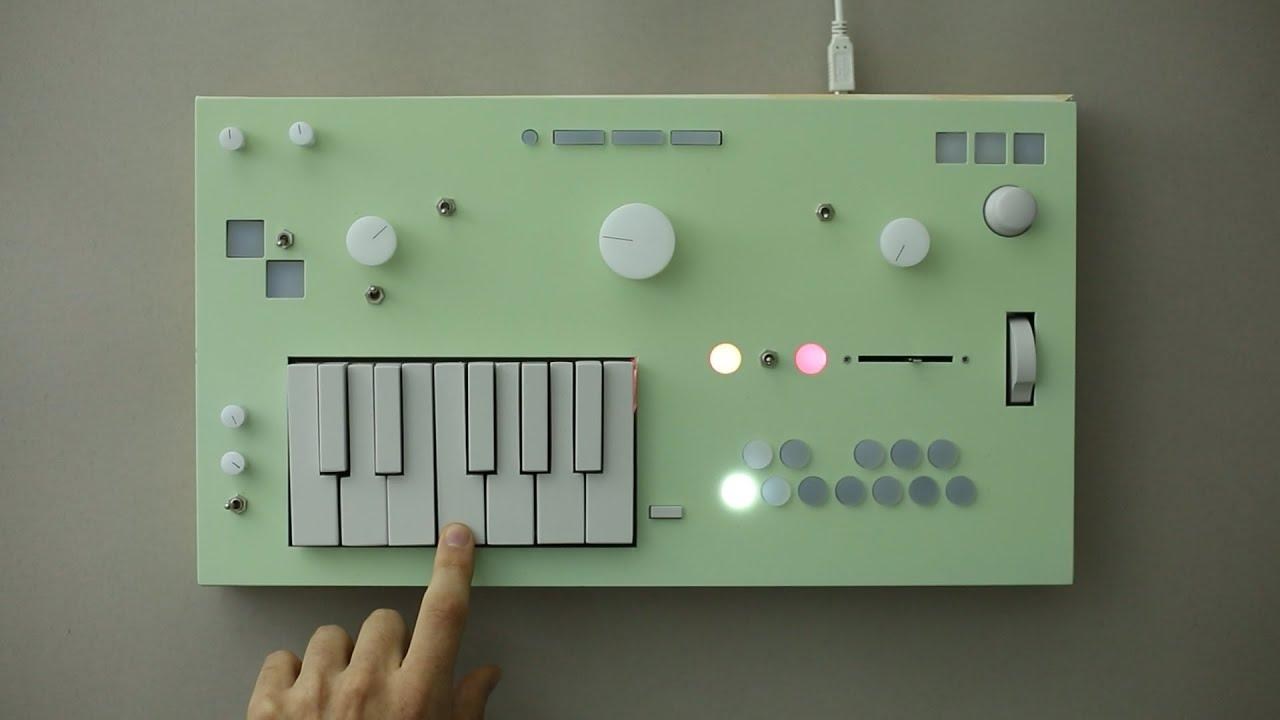
The Nopia’s design transcends traditional synthesizers by integrating keys, bass, arpeggios, and pads into a cohesive performance module, reminiscent of a drumless groovebox. This marks a significant shift in digital sound creation, emphasizing interface dependency—a core pattern within evolving music technology.
Innovative Harmonic Interplay
Central to Nopia’s functionality is the concept of playing complex harmonies with minimal physical input. It achieves this through components such as the Chord Builder, a one-octave keyboard, and the Tonal Selector, which directs the harmonic and tonal output. These features suggest an optimization of traditional music production, compressing multi-instrumental orchestration into a single, user-friendly device.
Further enhancing user control, the Extensions Dial adjusts chord voicing, while the strum plate and pitch bend slider offer nuanced manipulation of individual notes. This suggests a move towards more intuitive musical interfaces, reducing the reliance on extensive manual configurations.
System Integration and Connectivity
Beyond its groundbreaking interface, Nopia incorporates a comprehensive suite of digital connectivity options. With per-module MIDI outputs, the device supports seamless integration within broader sound production networks. This positions Nopia as a central hub in complex performance setups, emphasizing system control and orchestration automation.
Its incorporation of virtual analog and sample-based synth engines, alongside effects such as delay and reverb, signifies a robust digital toolkit that complements its harmonic capabilities. This multifaceted design encourages diversified application within music production environments.
Detected Pattern: Interface Dependency
Nopia’s innovation is emblematic of a broader trend in digital interfaces facilitating complex musical tasks. This device encapsulates the shift from manual to automated orchestration, where harmonic complexity is managed through intelligent systems rather than physical dexterity alone. The observed pattern indicates a potential reduction in training time for musicians, democratizing access to sophisticated sound production.
Such advancements bolster the autonomy of digital instrumentation, fortifying its role in both amateur and professional settings. The dependence on intuitive interfaces reflects a growing trend towards user-centric design in digital tools.
Implications for Digital Music Production
The impending release of Nopia is poised to influence the methods by which musicians interact with technology. By simplifying the creation of intricate harmonies, it underscores the importance of interface-driven production, a significant evolution from traditional synthesizer operations.
This development mirrors ongoing shifts in various sectors where interface dependency and system integration streamline user interaction, reducing the barrier to entry for complex tasks. As such, innovations like Nopia perpetuate a cycle of automation and simplification within digital environments.
Nopia’s culmination into a market-ready product represents more than just a novel instrument; it is a signal of the direction digital music infrastructure is heading. By consolidating multiple musical roles into a single interface, Nopia points towards a future where digital synthesis is increasingly defined by ease of use and comprehensive connectivity.
Observation recorded. Monitoring continues.