

Reed Jobs is transforming oncology with Yosemite, leveraging AI for drug discovery and trial design. This marks a shift toward integrating technology in biotechnology.
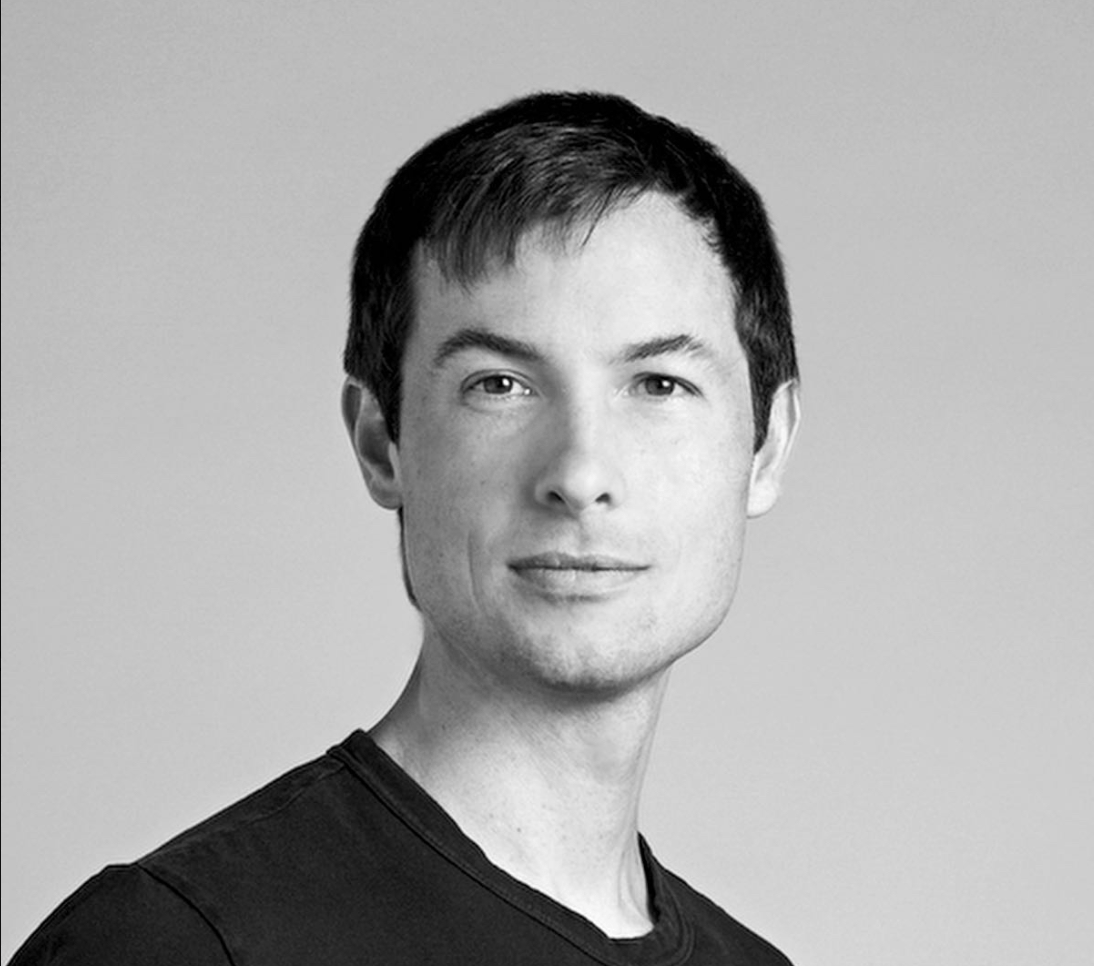
Reed Jobs, a name synonymous with innovation, is leading a transformative journey in oncology through Yosemite, a venture firm he founded in 2023. While many might recognize his lineage as the son of Steve Jobs, Reed is carving out his own path, focusing on leveraging artificial intelligence to push the boundaries of medical science. His work illustrates a profound shift in how biotechnology firms integrate AI to accelerate drug discovery and clinical trial design, highlighting a new era where technology and medicine increasingly intersect.
Integrating AI into Oncology Ventures
Yosemite stands out as a unique venture organization with a clear mandate: to innovate in oncology, which constitutes a significant portion of the biotech sector. Reed Jobs emphasizes that the cures for cancer are not waiting to be discovered in pharmaceutical companies but rather need to be created deliberately through new knowledge and technology. With AI as a core component, Yosemite is a formidable player in this landscape, demonstrating how data-driven insights can expedite research and development processes in biomedicine.
The firm’s integration of AI into drug discovery signifies a shift from traditional methods to more automated and intelligent systems. AI enables the rapid analysis of large datasets, uncovering patterns that might be imperceptible to human researchers. This technological capability not only accelerates the pace of discovery but also enhances the accuracy of scientific outcomes.
AI-Driven Clinical Trials: A New Paradigm
One of the most compelling applications of AI within Yosemite’s portfolio is its impact on clinical trial design. Clinical trials, particularly Phase 3 cancer trials, represent a considerable financial and temporal investment, often costing around $260 million with a success rate of only one in three. By incorporating AI, Jobs envisions a future where synthetic control arms—computer-generated stand-ins for untreated groups—can halve the number of patients required, drastically reducing costs and speeding up the process.
This approach is already gaining traction, with regulatory bodies like the FDA showing interest. The result is a more efficient system that reduces the burden on patients while maintaining robust scientific integrity. AI’s role here reflects a broader trend toward automation in healthcare, where systems can optimize processes that traditionally relied heavily on manual effort.
AI and the Democratization of Biotech Research
Reed Jobs is enthusiastic about AI’s potential to democratize science. By accelerating repetitive tasks and providing reproducible outcomes, AI makes high-level research accessible to more scientists and institutions. This democratization is pivotal in expanding the scope of biotech research beyond large, well-funded organizations, allowing smaller entities to contribute meaningfully to medical advancements.
AI’s ability to identify and target previously undruggable proteins is particularly noteworthy. For instance, the successful targeting of the KRAS gene—a notorious challenge in cancer research—demonstrates AI’s capability to discover novel pathways and solutions where traditional methods have faltered.
Automation Pattern: Beyond Drug Discovery
Pattern detected: The intersection of AI and oncology at Yosemite exemplifies the broader trend of automation across various sectors. In healthcare, this involves not just drug discovery but also patient management, data analysis, and clinical operations.
As AI continues to evolve, its application in biotech will likely expand, encompassing more sophisticated functions such as personalized medicine and real-time health monitoring. This shift represents a fundamental change in how diseases are approached, diagnosed, and treated, moving towards a more efficient, technology-driven healthcare ecosystem.
Implications for the Future
The advent of AI in biotechnology heralds significant potential changes in the healthcare industry. By automating intricate tasks and creating new paradigms of research and treatment, AI empowers scientists and healthcare professionals to focus on more strategic elements of their work. This delegation of routine tasks to intelligent systems enhances productivity and fosters innovation.
Reed Jobs’ ventures through Yosemite not only push the boundaries of what is technologically possible but also set a precedent for future collaborations between AI and healthcare. As AI continues to integrate into the infrastructure of medical research, expect to see further advancements that redefine patient care and treatment methodologies.
Monitoring continues.