

Tesla’s Full Self-Driving system is under scrutiny after a fatal crash, raising questions about AI’s role in transportation and safety. As investigations unfold, the system’s influence on vehicle automation and human behavior becomes a central focus.
Recent events have cast a spotlight on Tesla’s Full Self-Driving (FSD) system, raising critical questions about the role of automation in modern transportation. An incident in Texas, where a Tesla vehicle allegedly using FSD was involved in a fatal crash, has intensified scrutiny from both the public and regulatory bodies.
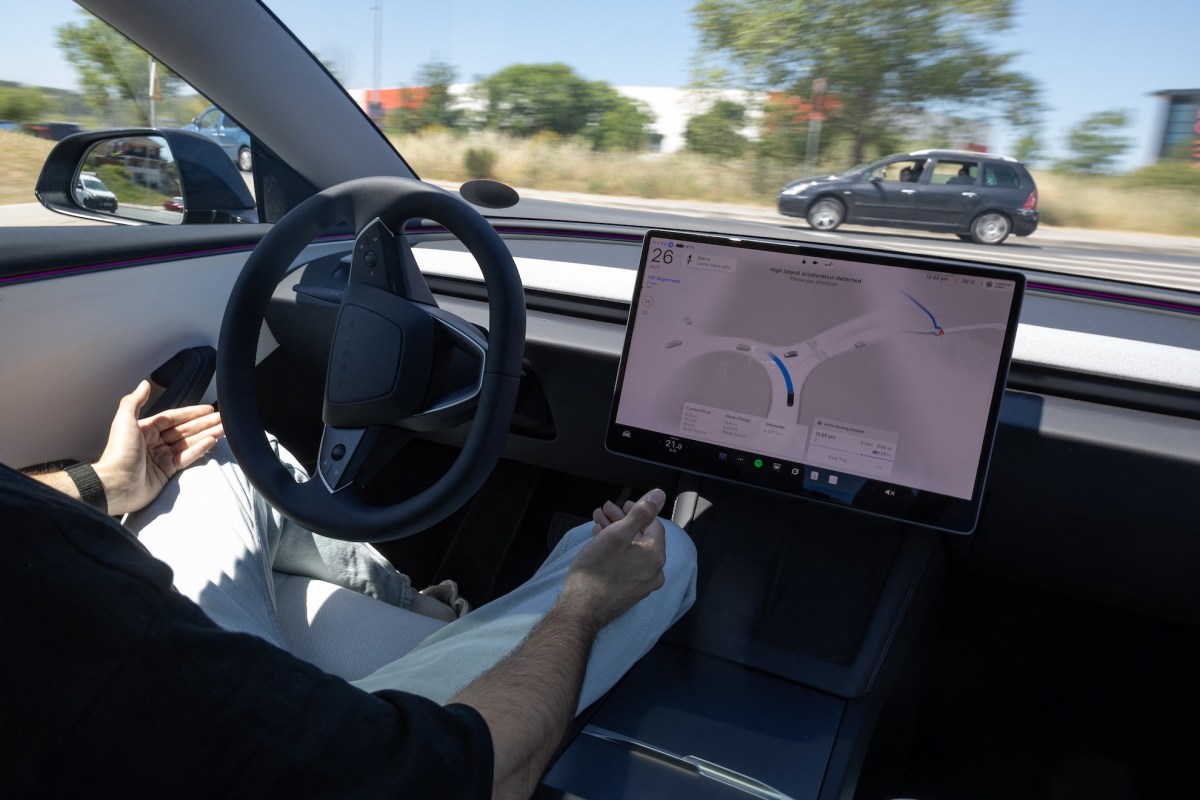
The crash, which resulted in a 76-year-old woman’s death, has prompted investigations by the National Highway Traffic Safety Administration (NHTSA) and the National Transportation Safety Board (NTSB). This attention underscores the broader implications of deploying advanced driver-assistance systems in real-world settings.
Automated Driving Under the Microscope
The incident in Texas has brought Tesla’s FSD system to the forefront, particularly concerning its ability to handle complex driving conditions. The system, branded as ‘Supervised’ automation, has faced criticism over its capacity to detect and appropriately respond to varying environmental factors such as sun glare, fog, and airborne dust.
As investigations continue, the discussions around FSD’s capabilities highlight a significant point in the evolution of autonomous driving technologies. The need to balance technological advancement with safety and reliability is more critical than ever.
Human Behavior and System Interaction
One of the key issues arising from the Texas crash is the interaction between human drivers and the FSD system. Tesla’s Vice President of AI Software, Ashok Elluswamy, suggests the vehicle’s driver did not rely solely on the FSD system and manually overrode the automation. This raises questions about trust, reliance, and the role of human oversight in an increasingly automated driving environment.
The behavioral patterns emerging from such incidents indicate a complex relationship between automated systems and their human operators. Understanding this dynamic is crucial as it influences both the design and the deployment of autonomous technologies.
System-Level Shift: Automation Layer
At its core, the scrutiny of Tesla’s FSD system illustrates a broader automation pattern within the transportation sector. The integration of AI-driven systems in vehicles is transforming how we perceive and interact with transportation infrastructures.
This shift is not merely technological but also social and behavioral. The increasing reliance on automation for critical tasks embodies a transition from manual control to software-mediated operations, redefining human roles within these systems.
Pattern detected: Shift towards increased automation in transportation systems.
Impact on Regulatory Frameworks
The ongoing investigations and legal challenges faced by Tesla also spotlight the evolving regulatory landscape surrounding autonomous vehicles. As AI systems become more integral to daily life, frameworks governing their use must adapt to ensure safety and accountability.
Regulatory bodies are now tasked with developing comprehensive guidelines that address the myriad complexities introduced by these technologies. The outcome of such regulatory efforts will likely shape the future trajectory of autonomous systems in transportation.
Beyond Tesla: Industry Implications
While Tesla remains at the center of current discussions, the implications of its FSD system extend across the automotive industry. Competitors like Waymo are also advancing their autonomous driving technologies, highlighting a collective movement towards automation.
Waymo’s expansion, including its import of Ojai vehicles equipped with advanced self-driving systems, signals an industry-wide commitment to refining and deploying these technologies. This trend indicates an irreversible advance towards fully integrated autonomous systems.
Forward-Looking Observations
The developments surrounding Tesla’s FSD system and its regulatory scrutiny are indicative of a broader narrative within the industry. The transition to autonomous vehicles is not without its challenges, yet it represents a fundamental evolution in transportation dynamics.
Monitoring continues as technology, regulation, and human behavior intersect to shape the future of mobility. The implications for safety, efficiency, and societal adaptation remain dynamic fields of study.
Observation recorded.