

Discover how ebikes transition from family transport to cargo haulers, optimizing personal mobility through strategic accessory configurations.
Ebike utility has expanded beyond mere rides—it now serves diverse needs from family transport to cargo hauling. Initially positioned as a sustainable alternative to short-distance car trips, ebikes are evolving, showcasing the adaptability of modern personal transportation technologies. Through careful accessory selection, users can transform an ebike into a ‘Family Wagon’ or a robust ‘Grocery Getter.’
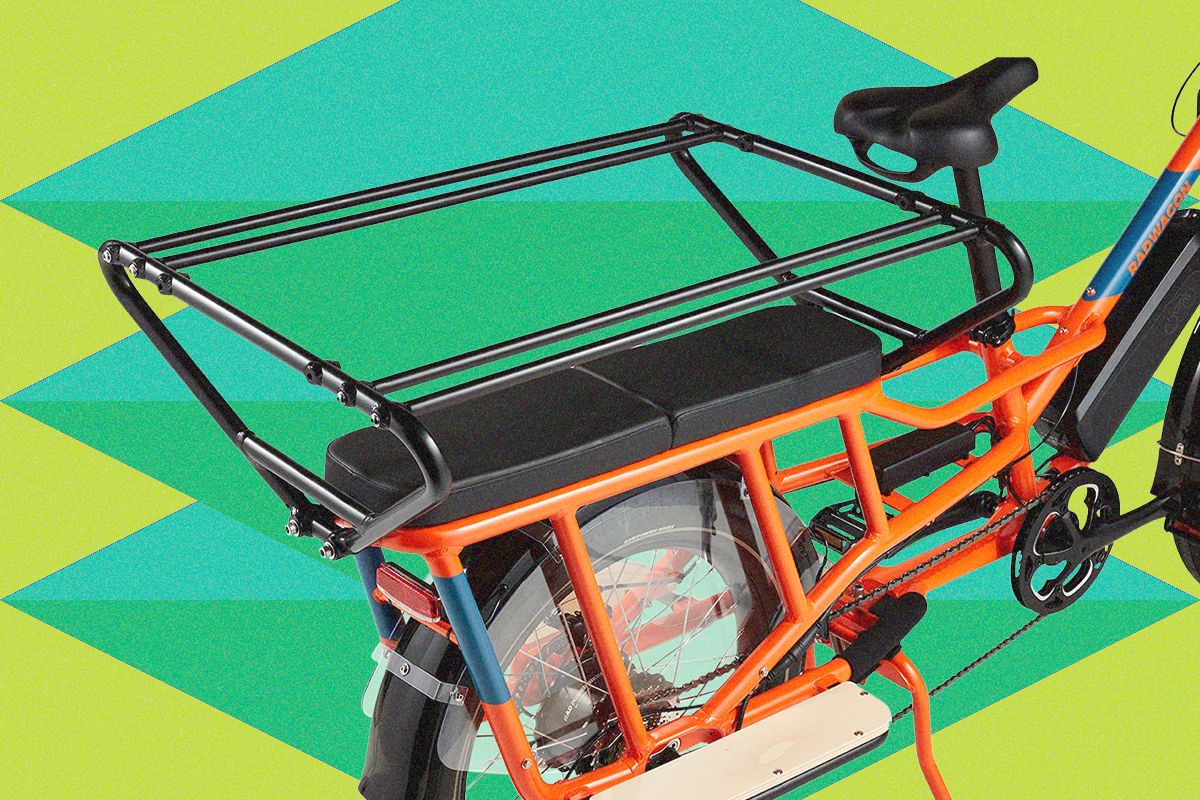
From Family Wagon to Grocery Getter
Personal transport reconfigures in the face of changing family dynamics. An ebike once primarily used for carting children adapts into a dedicated cargo carrier as growing kids start pedaling on their own. This transition speaks to a key advantage of ebikes: their modular configuration potential.
For families, seating arrangements are crucial. Rear seats must cater to safety and comfort, accommodating children of varying sizes with solutions like padded seats or Thule Yepp-style child seats. Transitioning to cargo hauling necessitates swapping these for panniers and other storage solutions to maximize space.
Optimized Storage Solutions
Where the Family Wagon prioritized seating, the Grocery Getter focuses on storage. Panniers become essential, providing substantial cargo capacity like Aventon’s Abound Pannier Set. This accessory exemplifies how storage redefines an ebike’s utility, supporting up to 90 pounds across dual bags.
Compatibility remains a critical consideration. Not all panniers fit universally. It is recommended to use accessories designed by the original bike manufacturer to ensure optimal fit and functionality. Additionally, weatherproof options provide extra resilience in diverse environmental conditions.
Essential Accessories for Functionality
Regardless of the ebike’s role, certain accessories elevate safety and usability. A sturdy front basket increases carrying flexibility. Bungee cords or cargo nets, such as Aventon’s models, help secure awkwardly shaped loads.
For safety, handlebar-mounted smartphone holders, lighting solutions, and saddlebags for essential repair tools are recommended. These tools ensure that even simple commutes or errands maintain a high degree of safety and readiness.
Front and Rear Lighting
Lighting is especially important. Products like Specialized’s Stix provide visibility, offering easy toggling between front and rear light modes. Such enhancements underscore the necessity of visibility in varying traffic conditions or night commutes.
Furthermore, rear lights like Garmin’s Varia add technological integration by alerting riders to rear traffic, enhancing situational awareness—a prime example of how tech augments traditional biking equipment.
Programming Personal Mobility
Ebike riders illustrate a deepening reliance on accessory-driven customization, aligning personal transport with unique lifestyle demands. This scenario exemplifies the programmable aspect of modern ebike utilization, where users adjust configurations to optimize performance and utility.
While the primary function of ebikes revolves around mobility, their potential expands into infrastructure models, seen in the adoption of cargo solutions over traditional family setups. This shift hints at broader trends in urban mobility, where modular electric options increasingly replace permanently fixed solutions.
Pattern detected: programmable-mobility.
Conclusion: The Future of Ebike Adaptability
The shift from the Family Wagon to Grocery Getter signifies not just a change in utility but a deeper pattern in programming personal transport capabilities. As families redefine their needs and city infrastructure evolves, the flexibility of ebike configurations will likely continue to advance. This adaptability mirrors broader technological trends where personalized digital customization meets physical transportation needs. Monitoring continues as these systems evolve.