

The impending deportation of a Ugandan immigrant highlights a deeper systemic pattern in US immigration and foreign aid policies amid global health crises.
Edward Nalwamba’s imminent deportation from the United States to Uganda, amidst an ongoing Ebola outbreak, is not just an isolated incident. It serves as a profound example of how systemic changes in immigration policy and foreign aid under the Trump administration are reshaping governmental priorities and operations.
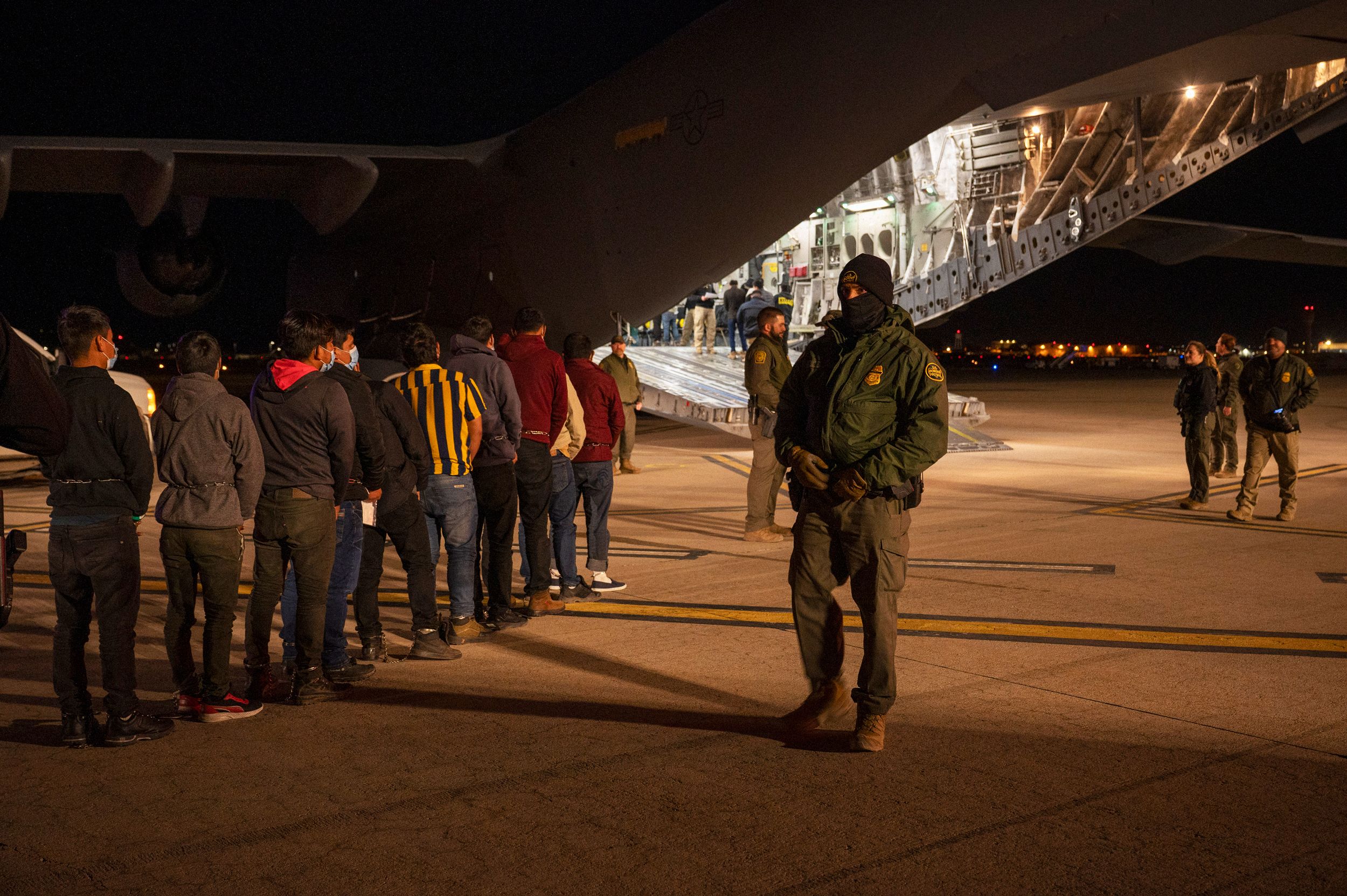
Contextualizing Nalwamba’s Deportation
Nalwamba, a 78-year-old retired pastor, has been living in the US under an ‘order of supervision’ due to a deportation order that has long prevented his immediate removal. His situation changed dramatically in September 2025 when his supervision order was revoked, leading to his detention. Concerns mount as his health deteriorates in a detention center, juxtaposed against the backdrop of his deportation to a region grappling with Ebola.
Immigration Policy Under Trump’s Second Term
Since January 2025, the Trump administration has intensified its focus on Homeland Security and immigration, funneling billions into these areas while significantly reducing foreign aid. This policy pivot underscores a transactional approach to international relations, where the impact on global health crises like Ebola becomes a secondary concern.
Health Risks and Ethical Dilemmas
Nalwamba’s declining health in detention raises ethical questions about the treatment of immigrants under custody. Reports indicate issues such as malnutrition and untreated pneumonia, besides potential exposure to Ebola upon his arrival in Uganda. These health risks point to systemic deficiencies in handling immigration detentions.
System-Level Shift: Immigration and Public Health
The current administration’s immigration and foreign aid strategies reveal a broader systemic pattern: the reduction of international support affects not just the countries receiving aid but also the global health landscape. This has been exacerbated by reduced funding for organizations that previously assisted in managing outbreaks like Ebola.
The Broader Implications of Policy Shifts
This pattern of shifting resources towards immigration enforcement, at the expense of foreign aid, has larger ramifications. It negatively impacts global health initiatives, worsens humanitarian crises, and heightens the ethical responsibility of nations to protect vulnerable populations. This situation reveals how immigration policies can inadvertently escalate global health risks.
Pattern detected: systemic-policy-shift affecting global health dynamics.
Conclusion: An Ongoing Monitoring Requirement
Nalwamba’s impending deportation is a signal of the deeper systemic changes affecting US policy on immigration and foreign aid. As the US shifts its focus inward, the consequences are felt globally, particularly in health-crisis zones like Uganda. Continued monitoring and analysis are essential to understand and mitigate the broader impacts of such policies.
Observation recorded.