

Epilogue’s Flashback app integrates the vintage Game Boy Camera with smartphones, demonstrating a blend of nostalgia and modern technology. This shift enables users to capture retro photos with digital convenience.
The Game Boy Camera, a relic from the late 1990s, reemerges in the digital age with a novel twist. Epilogue’s new Flashback app enables this primitive camera to interface seamlessly with modern smartphones, illustrating how old technology can be repurposed through contemporary platforms. This marriage of past and present not only rekindles nostalgia but also reveals intriguing patterns of digital adaptation and interface integration.
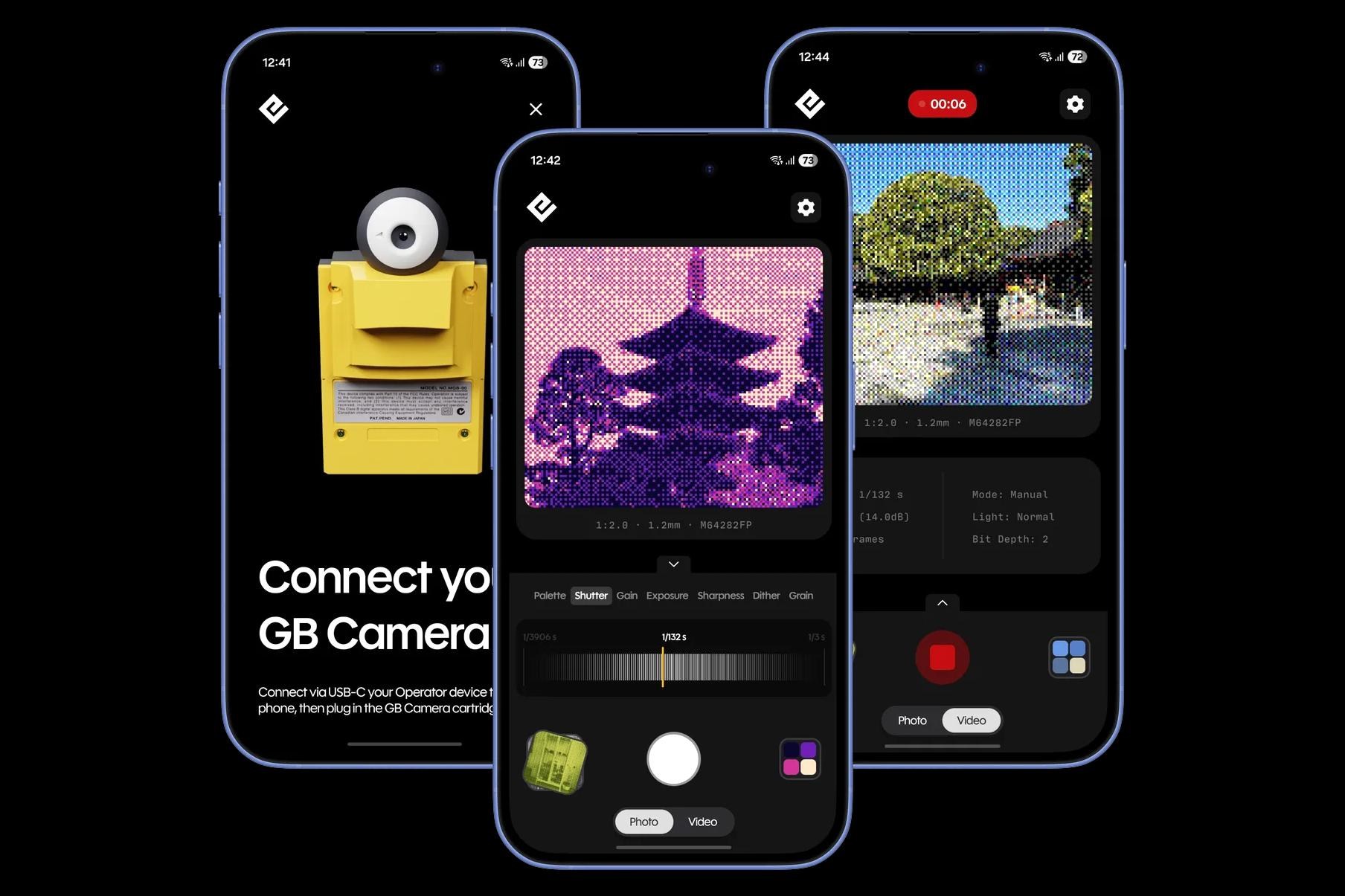
The Flashback App: Bridging Eras
In the evolving landscape of digital photography, the introduction of the Flashback app marks a significant moment. It transforms the once-isolated Game Boy Camera into a connected device, allowing users to take distinctive, low-resolution images without needing the original Game Boy console. This development underscores a broader trend where legacy technologies find new life through modern interfaces, catering to both nostalgia and functionality.
Andrew Liszewski, a senior tech reporter, highlights that the app requires no physical Game Boy or dock to function—an innovation that lowers barriers for users desiring the charm of retro photography. Instead, it uses smartphone hardware, making the quirky 0.01434-megapixel images accessible and easily shareable.
From Hardware to Software: A Transformation
The app’s capability to simulate the Game Boy Camera’s functions digitally is a pivotal element. Even without the original hardware, users can experience the aesthetic of 128 x 112-pixel images with distinctive dithering and color limitations. This software-based approach showcases a shift towards software over hardware, a trend increasingly seen in tech development.
The app also offers enhancements over the original device. It allows adjustments to shutter speed, gain, and exposure among others, and offers 32 color palettes—a far cry from the original’s stark monochrome. Such improvements highlight how digital tools can enhance and expand upon the limitations of their predecessors.
Implications for User Interaction
This development illustrates a key shift in user interaction with technology. As digital natives lean towards intuitive, app-based interfaces, the Flashback app exemplifies how these platforms can transform traditional experiences. Here, digital interfaces enhance ease of use while maintaining the quirky appeal of low-resolution aesthetics, a blend of old-school charm with modern convenience.
By storing created images directly in a phone’s Camera Roll, the app streamlines the process of capturing and sharing photos. This reflects a broader pattern of digital simplification, where the complexity of physical processes is reduced through automated, software-driven solutions.
System-Level Shift: Interface Dependency
The integration of the Game Boy Camera with smartphones through Epilogue’s app highlights a deeper pattern of interface dependency. As devices rely more on digital interfaces to deliver enhanced user experiences, traditional hardware setups become less relevant. This dependency points to a future where digital convenience is paramount, and physical components serve a complementary rather than central role.
Such shifts signal the evolution of consumer electronics towards more adaptable and integrated systems. The Game Boy Camera’s revival through this app illustrates the potential for innovation when new technologies reimagine old ones, encouraging a reinterpretation of the user’s interaction with gadgets.
Observation and Continuing Trends
As we monitor the interplay between vintage hardware and contemporary digital systems, the Game Boy Camera’s resurgence underscores a broader trend of nostalgia-driven innovation. This pattern is not only a nod to technological history but also a reflection of current consumer desires for personalized and unique digital experiences.
The Epilogue Flashback app is a testament to how technology can evolve, not by discarding the old, but by integrating it into the new. As user adaptation to such mixed interfaces grows, monitoring continues to observe similar trends across other sectors.
Signal stored.