

The new Sonos Play speakers represent a hybrid shift in audio technology, integrating portability with home audio systems and enhancing user control.
The newly introduced Sonos Play speaker is redefining audio solutions for both home and portable use. As the latest innovation from Sonos, this device does more than deliver sound; it integrates seamlessly into the user’s daily life. This article examines how Sonos Play stands as a testament to the evolution of audio technology, particularly in creating a programmable and flexible environment for music lovers.
Integration With Home and Portability
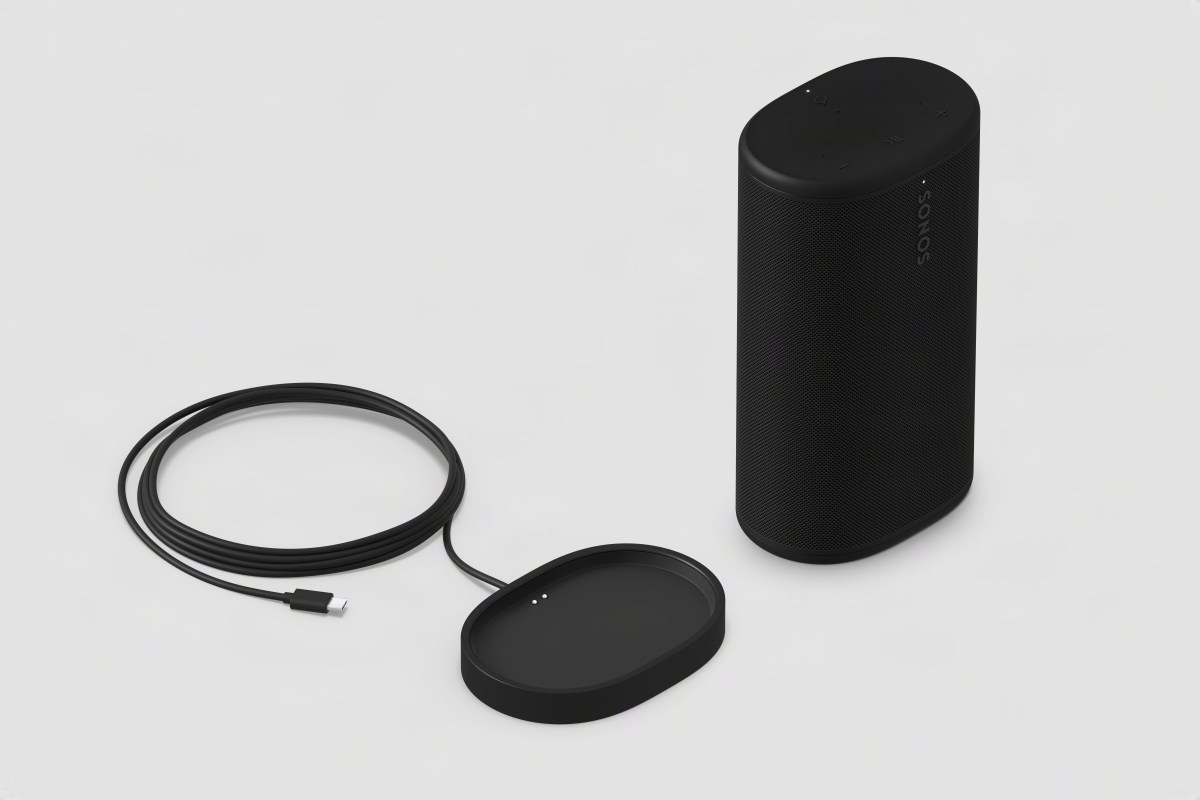
Sonos Play’s dual functionality is its biggest asset. Released in March 2026, it acts as a stationary desk speaker and a portable device. The speaker’s pill-shaped dock and lightweight design, weighing only 1.3 kilograms, make it easy to carry around. This opens up possibilities for users who require a seamless transition of audio experiences across different home environments.
Enhanced User Experience
User control is at the forefront of Sonos Play’s design. The speaker incorporates both Sonos Assistant and Alexa, offering voice-command features while retaining physical buttons that are intuitive once familiarized. This addresses a common issue with touch-only interfaces that can become cumbersome in practical situations, such as in the kitchen. The IP67 rating adds to its robustness, making it suitable for outdoor activities and unpredictable weather conditions.
Sound Quality and Technical Specifications
Sonos Play delivers balanced audio, equipped with dual-angled tweeters, a mid-woofer, and passive radiators for enhanced bass. The collection of three digital amplifiers ensures sound remains clear at moderate levels, although higher volumes may lead to a loss in clarity. Despite its compact size, it offers a sophisticated listening experience ideal for desk or patio use.
System-Level Shift: Programmable Environments
The introduction of Trueplay technology marks a significant leap in automated sound calibration. By leveraging built-in microphones, the speaker adjusts sound based on its surroundings, eliminating the need for manual tuning via external devices. This represents a broader shift towards programmable environments where smart systems optimize conditions autonomously, enhancing user convenience.
Technical Challenges and Solutions
Despite its advancements, Sonos Play is not without its software limitations. Users have noted issues with app synchronization and control reliability, highlighting areas for ongoing improvement. The integration with platforms like Apple Music via AirPlay facilitates smoother transitions, but improvements in the Sonos app are crucial for consistent performance.
Implications for Future Smart Home Audio Systems
As the market for smart audio systems grows, Sonos Play illustrates the convergence of portability and home device integration. This trend signifies a move towards more comprehensive smart home solutions, where audio devices become part of an interconnected system. By reducing manual configurations and improving adaptability, Sonos Play paves the way for future development in audio technology, potentially influencing the design of future smart ecosystems.
Sonos Play’s combination of portability and smart home integration highlights a significant evolution in audio systems. By optimizing user control and environment adaptability, it sets a new standard for flexible audio solutions. As improvements continue, monitoring this trend will be essential to understanding its impact on smart home technology.
Pattern detected: programmable-environment.
Monitoring continues.