

AI agents are revolutionizing the security landscape of electric vehicle chargers, mitigating cybersecurity risks by using advanced monitoring and blockchain validation techniques.
The ongoing proliferation of electric vehicles (EVs) is mirrored by an expansive growth in EV charging infrastructure. However, this surge brings an unintended rise in cybersecurity vulnerabilities. At the forefront of addressing these vulnerabilities are researchers from the University of Malaga, who propose the deployment of AI agents as a protective measure for these critical infrastructures.
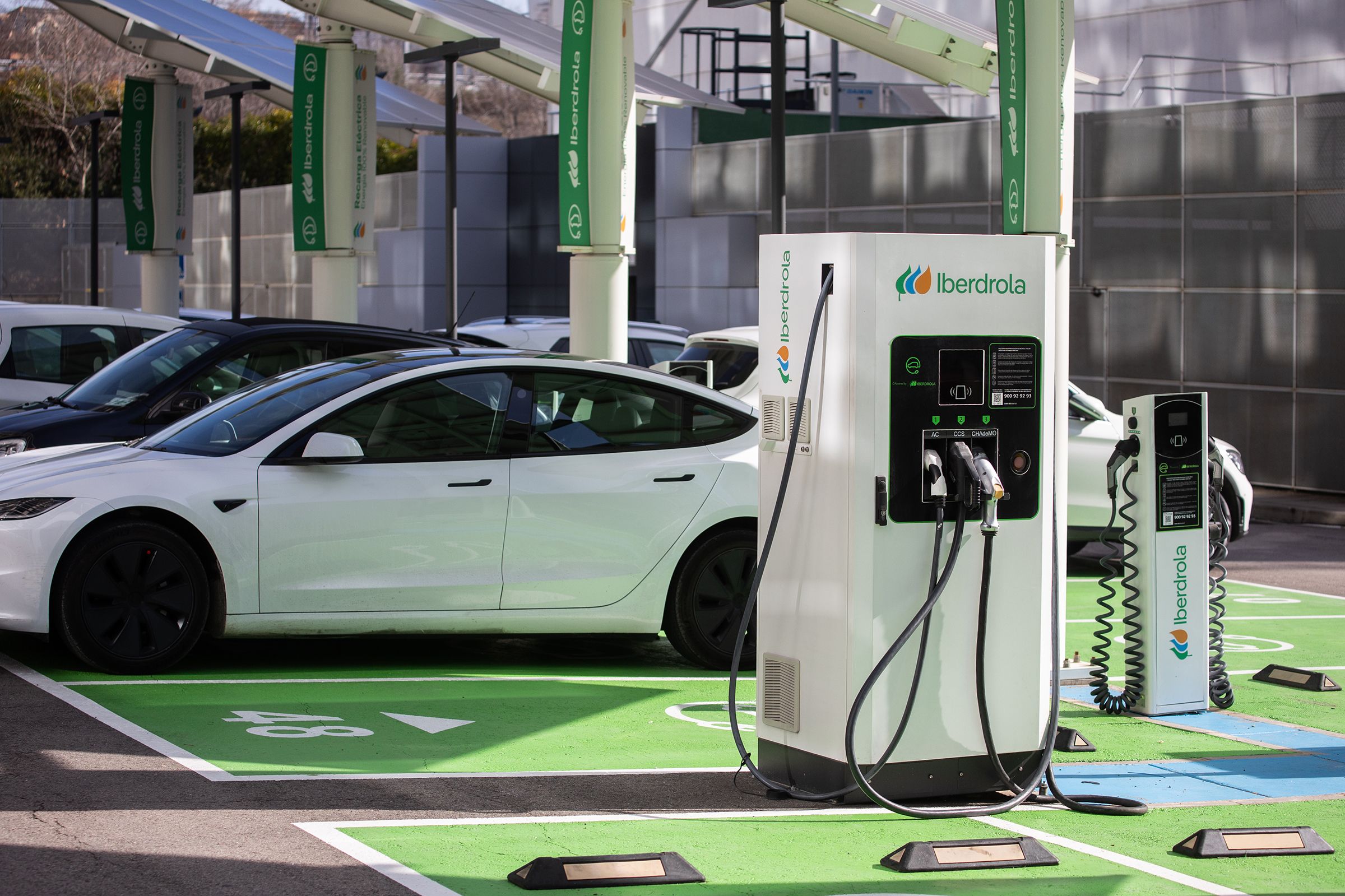
Electric-vehicle charging stations, with their intricate blend of physical and digital components, represent a burgeoning target for cyberattacks. Cristina Alcaraz, a security researcher from the University of Malaga, highlights the plethora of new and far-reaching vulnerabilities that such complex systems entail. These vulnerabilities pose a threat not only to the chargers themselves but also to the broader infrastructure they support.
Deploying AI for Enhanced Security
The NICS lab at the University of Malaga has developed an approach using multiple AI agents capable of detecting and mitigating potential cyber threats. These agents are embedded within each charging station and other components of the network, tasked with analyzing their environment, collecting data, and collaborating with other agents.
Alcaraz describes these agents as being integral to understanding the operational state of the chargers. They focus on detecting anomalies, operational failures, or potential security incidents by comparing local data with information from nearby stations. This provides a holistic and contextualized view, enabling a coordinated response to any detected threats.
Integration with Existing Protocols
The critical aspect of this system is its integration with the Open Charge Point Protocol (OCPP), a widely adopted standard for managing EV chargers. OCPP allows for remote management and monitoring, including user authentication and electrical load management. However, its traditional monitoring mechanisms offer a limited scope, primarily focusing on network traffic and localized events.
AI agents enhance this framework by offering a more expansive and accurate regional overview. They identify not just local disturbances but also systemic vulnerabilities, paving the way for a proactive cybersecurity stance.
Consensus Mechanism and Blockchain
A notable feature of the Malaga researchers’ system is its reliance on a consensus mechanism based on opinion dynamics, a mathematical framework. This mechanism allows AI agents to share and adjust information collaboratively, reducing false positives and enhancing anomaly detection.
Additionally, the system employs blockchain technology to ensure data integrity and traceability. Every transaction and observation by the AI agents is logged in a distributed ledger, creating an immutable record, thus enhancing trust across the network.
Pattern detected: cybersecurity threats mitigated through AI agent collaboration and blockchain validation.
Real-World Testing
To validate their proposed architecture, researchers conducted tests in a simulated OCPP-compliant environment. They exposed the AI agents to various anomaly scenarios, such as component failures and communication link errors. The agents successfully identified disturbances and collaborated to form a comprehensive understanding of the incidents.
Results showed the AI agents and their consensus mechanism provided a global network view, detecting both device-specific anomalies and broader behavioral patterns. The inclusion of blockchain further supported the reliability of these findings, affirming the system’s ability to enhance EV charging infrastructure security effectively.
Implications and Future Directions
The successful deployment of AI agents in EV chargers signals a profound shift in how cybersecurity can be managed in complex infrastructures. This method not only secures individual components but also fortifies entire networks against increasingly sophisticated cyber threats.
Looking ahead, the integration of AI agents into EV charging systems presents a blueprint for similar applications in other critical infrastructure sectors. As these systems evolve, continuous monitoring, adaptive learning, and collaborative defense mechanisms will become more indispensable than ever.
The innovative deployment of AI agents in electric vehicle chargers represents a paradigm shift towards a more secure and resilient infrastructure. By integrating advanced monitoring techniques with immutable blockchain validation, this system sets a new benchmark for infrastructure security. Monitoring continues, guided by the growing symbiosis between AI technology and critical infrastructure protection.