

olmo-eval redefines model evaluation by providing a flexible, modular system that adapts to the iterative nature of LLM development, emphasizing reproducibility and precision.
In the evolving landscape of AI model development, the need for adaptable evaluation methodologies becomes increasingly vital. Olmo-eval emerges as a response to this need, a tool designed not just to follow the traditional model benchmarking but to enhance and streamline it. Unlike existing tools, such as Harbor, which focuses on running agent benchmarks in isolated environments, olmo-eval is tailored for the iterative, dynamic development processes of large language models (LLMs).
Revolutionizing Model Evaluation
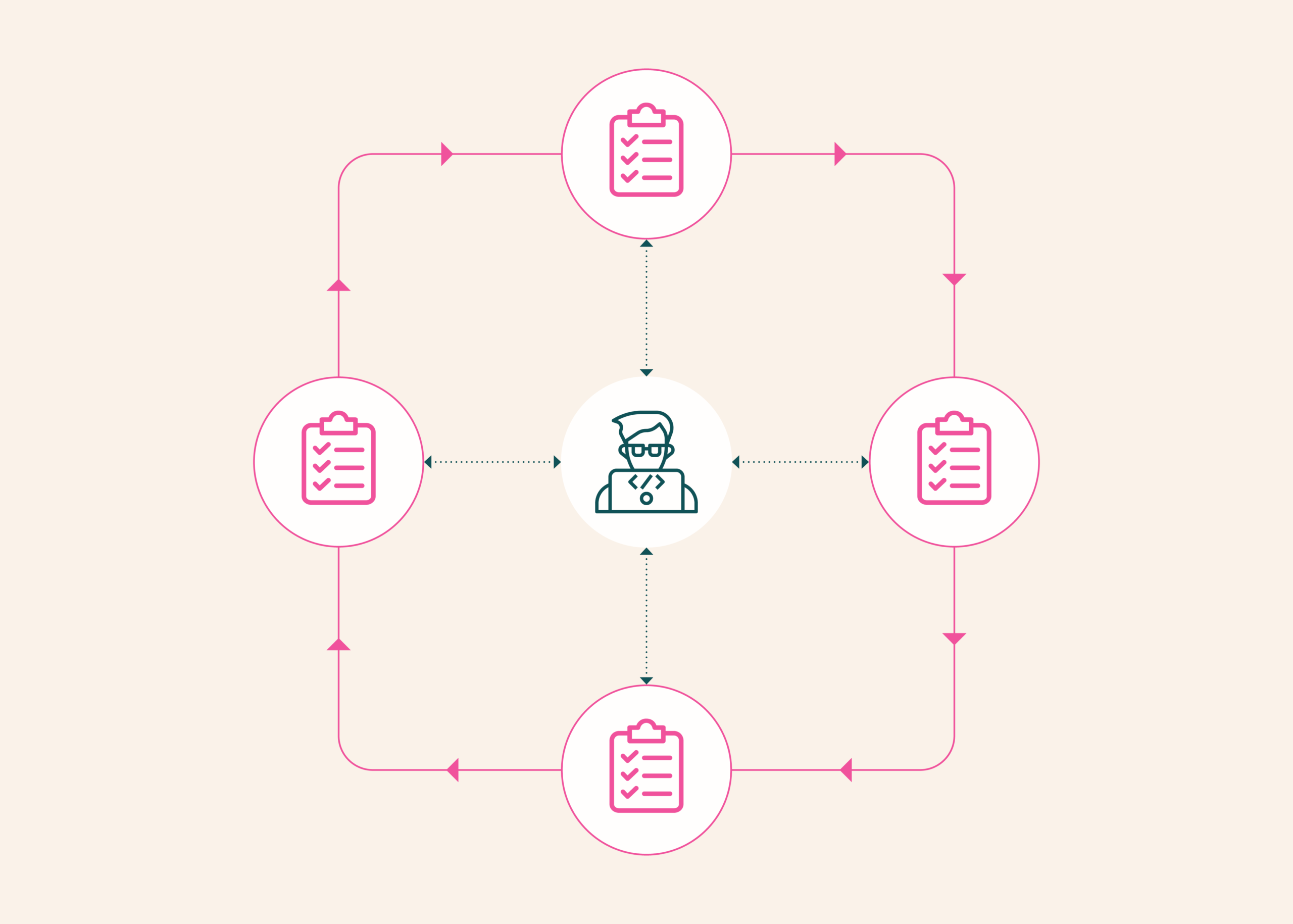
Olmo-eval is a significant departure from traditional evaluation tools. Instead of providing a static assessment, it embraces the variability and complexity inherent in ongoing model development. The tool’s flexibility allows for the integration of diverse benchmarks and the ability to rerun them as models evolve.
One of the key differentiators is its ability to balance between lightweight and containerized benchmark execution. The system intelligently selects the most efficient method, shifting to resource-heavy processes only when necessary. This approach optimizes resource usage and speeds up the evaluation process, crucial for keeping pace with rapid development cycles.
Modularity and Flexibility
At the core of olmo-eval is its modularity. The system decouples benchmark logic from runtime policies, enabling developers to swap components without extensive reconfiguration. This modular approach not only enhances flexibility but also reduces integration efforts. A developer can easily switch between testing a model in a standard environment or one that simulates real-world tool usage, such as code execution or web browsing.
Modularity extends to its evaluation tasks, suites, and harnesses. By abstracting tasks from their runtime environment, olmo-eval allows for seamless transitions between different execution contexts. This is particularly beneficial when examining how models perform across varied conditions, providing a clearer insight into their adaptability and performance consistency.
Enhancing Reproducibility
Reproducibility is a cornerstone of scientific work, yet it remains a challenge in AI model evaluation. Olmo-eval addresses this by maintaining a comprehensive experiment schema that records configuration and results systematically. This structure supports the ability to compare model checkpoints over time, offering insight into development progress and areas requiring attention.
Pattern detected: Enhanced evaluation reproducibility through structured experiment schemas.
This meticulous documentation ensures that benchmarking results are not only consistent but also comparable across different developmental stages, allowing for precise tracking of improvements and regressions.
Detecting Subtle Performance Changes
In model evaluation, detecting nuanced performance changes can be more informative than overall scores. Olmo-eval facilitates this through its results viewer, which allows for pairwise comparison of models or checkpoints. By aligning them question by question, developers can isolate small but significant improvements or variations, ensuring that decisions are data-driven and not based on inconclusive averages.
This feature empowers developers to focus on genuine advances rather than being misled by minor statistical fluctuations, thus enhancing decision-making processes.
Conclusion: A New Paradigm in Evaluation
Olmo-eval signifies a shift in how AI models are evaluated, emphasizing the need for a dynamic, adaptable approach that aligns with fast-paced development cycles. By integrating this tool into the model development loop, developers can achieve greater precision and reproducibility, ultimately fostering more robust model performance.
As model development becomes more intricate, tools like olmo-eval become indispensable, representing a shift towards infrastructure that supports ongoing adaptability and precision. Monitoring continues.