

SpaceX’s ambitious IPO centers on orbital data centers, promising a shift from conventional space operations to AI-powered infrastructure.
Investors are on the edge of their seats as SpaceX gears up for its IPO, a $75 billion initiative that has captured widespread attention. At the core of this financial frenzy lies a transformative vision: the establishment of orbital data centers that represent a fundamental shift in both spatial and AI infrastructures.
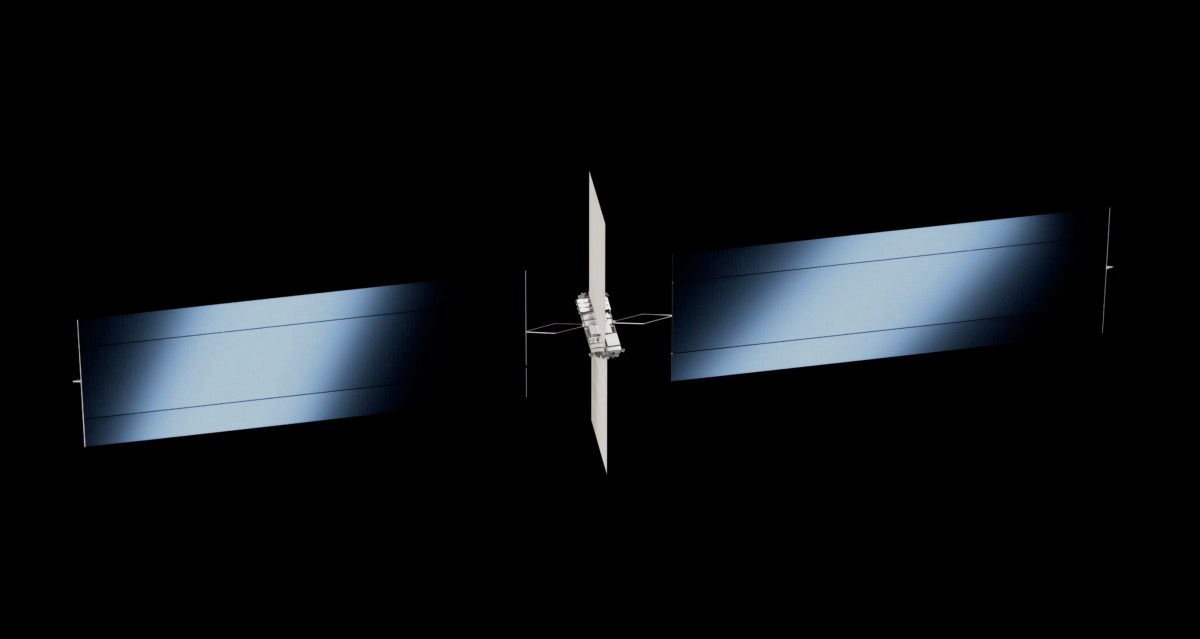
The IPO is deeply over-subscribed, with significant investments from institutional investors, indicating a high level of confidence in Elon Musk’s audacious plans. However, skepticism lingers as analyses from Morningstar and finance expert Aswath Damodaran suggest that SpaceX’s proposed valuation might be overly ambitious when compared to grounded financial projections.
Orbital Data Centers: Bridging AI and Space
The cornerstone of SpaceX’s futuristic business model is the orbital data centers, a concept that merges AI’s expansive capabilities with the unique advantages of space. Musk’s plan hinges on three formidable engineering challenges: crafting reusable rockets, accelerating satellite production, and establishing a new chip foundry on American soil.
These data centers aim to achieve a remarkable integration of technology by leveraging the vast computational power required for AI while benefiting from the operational efficiencies and strategic advantages of space-based infrastructure. The concept not only redefines the logistics of data storage and processing but also proposes a pioneering model that could disrupt current industry standards.
AI Business and Infrastructure
Central to SpaceX’s growth strategy is its AI division, which is poised to expand into enterprise solutions. Despite the spotlight on its AI capabilities, the company’s market assessments reveal an ambitious tilt towards dominating a projected $22.7 trillion industry.
Yet, SpaceX’s dual role as a compute provider and a model-builder generates strategic curiosity. The balancing act of providing AI compute to competitors like Anthropic and Google suggests an innovative approach akin to launching satellites for rival networks. This reflects a broader strategy within the neocloud industry, where the value of compute starkly contrasts with model-building prowess.
Space Infrastructure: A New Frontier
SpaceX’s infrastructure ventures are nothing short of groundbreaking. As Musk detailed in a recent video, the company plans to dramatically enhance its satellite production capabilities. With goals to produce 6,666 satellites annually, the targets represent a substantial leap from current production rates. However, this ambitious production forecast requires not only technological innovation but also significant industrial-scale support that is yet to be fully realized.
The Terafab chip foundry plays a crucial role in this ecosystem, promising to feed the burgeoning demands of satellite technology and high-tier computation. Yet, the inherent challenges of building and operating such a facility underscore the complexities of industrial endeavors that intertwine cutting-edge technology with vast capital investments.
Detected Pattern: Automation Layer in Space
SpaceX’s approach signals an emerging pattern of automation within the space industry. By extending AI functionalities into orbital infrastructure, the company is effectively paving the way for a new era of space-based computation. This transition reflects an automation layer that not only optimizes satellite deployment but also sets a precedent for future space missions driven by AI capabilities.
Pattern detected: integration of AI into spatial operations catalyzes new infrastructure paradigms.
A Glimpse into the Future
The path SpaceX is charting is laden with risks, not least due to the technical hurdles and financial commitments required to achieve its goals. Yet, the potential payoff—both financially and technologically—is immense.
As public investors engage with SpaceX’s shares, they are not just investing in a space company but rather in a vision that reimagines the boundaries of AI and spatial infrastructure. This dual focus on AI models and orbital capabilities invites a broader industry transformation, prompting a reevaluation of how we perceive space activities within the context of digital operation layers.
As observation continues, the unfolding of this narrative promises insights into the capabilities and limitations of combining AI’s vast potential with the untapped possibilities of space infrastructure. Monitoring remains active, and the patterns emerging hold significant implications for the trajectory of intelligent, automated environments in space and beyond.
Signal stored.