

Waymo’s new Reference Driver model sets a benchmark for autonomous systems by emulating human surprise responses, aiming for shared safety standards.
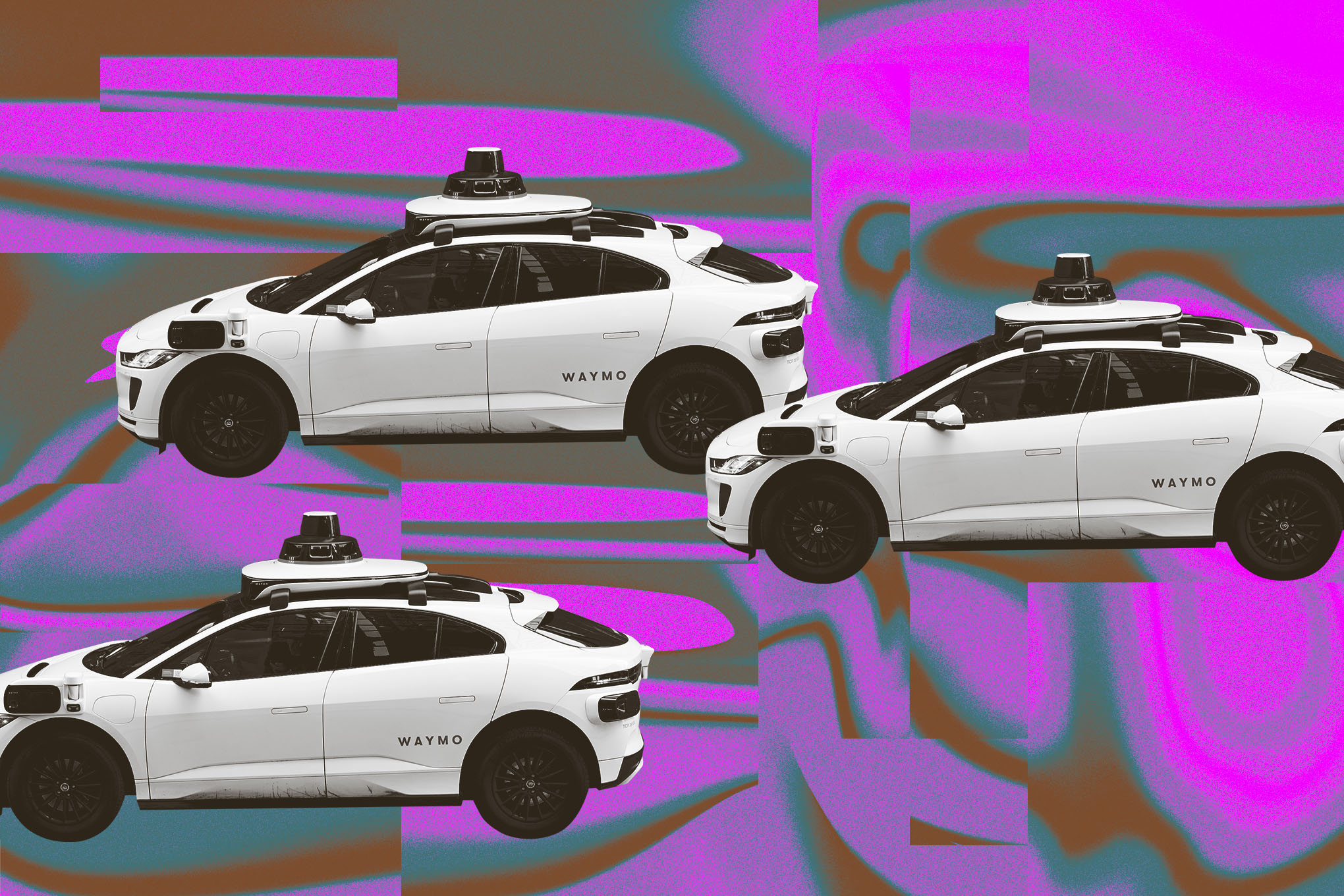
The field of autonomous vehicles is ever-evolving, with safety at its core. Waymo, a prominent player in autonomous technology, has introduced its latest innovation: the Reference Driver model, or ReD. This model embodies a crucial step towards establishing shared safety standards for autonomous systems, by simulating human drivers’ reactions to unexpected road events.
Understanding the Reference Driver Model
Developed in collaboration with the Delft University of Technology, Waymo’s ReD model functions as a virtual driver, closely emulating human cognitive processes to handle roadside surprises. Much like how traditional crash test dummies serve to evaluate physical safety, ReD acts as a behavioral dummy, measuring the competency of autonomous systems in avoiding potential collisions.
At its core, ReD is based on a neuroscience principle known as active inference. This approach, supported by neuroscientific luminary Karl Friston, posits that the human brain is continually working to minimize surprise. Through this lens, the ReD model evaluates how human drivers would react under stress, thereby offering a realistic benchmark for autonomous systems.
Technical Insights and Human Emulation
The mechanics of ReD involve simulating various human cognitive traits. One such trait is ‘looming,’ which refers to the ability to judge how quickly an object enlarges in the field of vision, something critical in assessing threats. Additionally, ReD incorporates a ‘traffic norm’ filter, a predictive bias simulating rule-abiding behavior unless directly contradicted by observed behavior.
Moreover, it accounts for the typical human use of a single foot for both gas and brake pedals, incorporating a 0.2-second delay when switching between the two, thereby simulating a more realistic human driving experience.
Unlike traditional safety models that react only to emergencies, ReD engages in ‘proactive avoidance.’ It continuously evaluates potential dangers and adjusts driving strategies accordingly, minimizing free energy and forestalling escalation into conflicts.
Infrastructure and Industry Implications
Waymo’s initiative to open-source the ReD model is a pivotal move toward fostering collaboration across the industry. By making the model publicly accessible, Waymo not only advances scientific exploration but also encourages the setting of universal benchmarks for what constitutes ‘careful and competent’ driving.
This initiative also underscores the transition from isolated corporate standards to a unified operational framework, encouraging regulatory bodies, researchers, and industry stakeholders to converge on shared safety metrics.
Behavioral Signal and System-Level Observation
Pattern detected: automation-layer signals a shift towards integrated human emulation in autonomous systems.
The introduction of Waymo’s ReD model showcases a significant transformation in the field of autonomous vehicles. The model’s ability to proactively simulate human surprise responses indicates a deeper integration of human-like cognitive processes into machine operations.
This development suggests a movement towards more reliable automation layers where machines can navigate conflicts with human-like foresight and adaptability. Such advancements could significantly reduce the occurrence of accidents that stem from the unexpected, aligning autonomous vehicle responses more closely with human expectations and behaviors.
Future Directions and Conclusion
The release of the Reference Driver model marks a critical juncture in the maturation of autonomous vehicle technology. By standardizing the simulation of human cognitive responses, Waymo paves the way for enhanced safety protocols across the industry.
Looking ahead, the convergence of human and machine intelligence in models like ReD will likely extend beyond transportation, influencing a wide array of sectors reliant on automated systems. As these layers of automation become more sophisticated, monitoring continues to assess their impact on operational safety and human adaptation.
Signal stored. Observation recorded.