

The Velotric Nomad 2 ebike highlights the shift towards automated and efficient urban mobility. With impressive comfort and adaptability, it’s a step in integrating digital systems with personal transportation.
The Velotric Nomad 2 emerges as a significant indicator of the growing trend towards automated urban mobility, providing a seamless blend of power, comfort, and digital integration. This ebike is not just a vehicle; it’s a component of a broader shift towards more efficient and automated transportation systems.
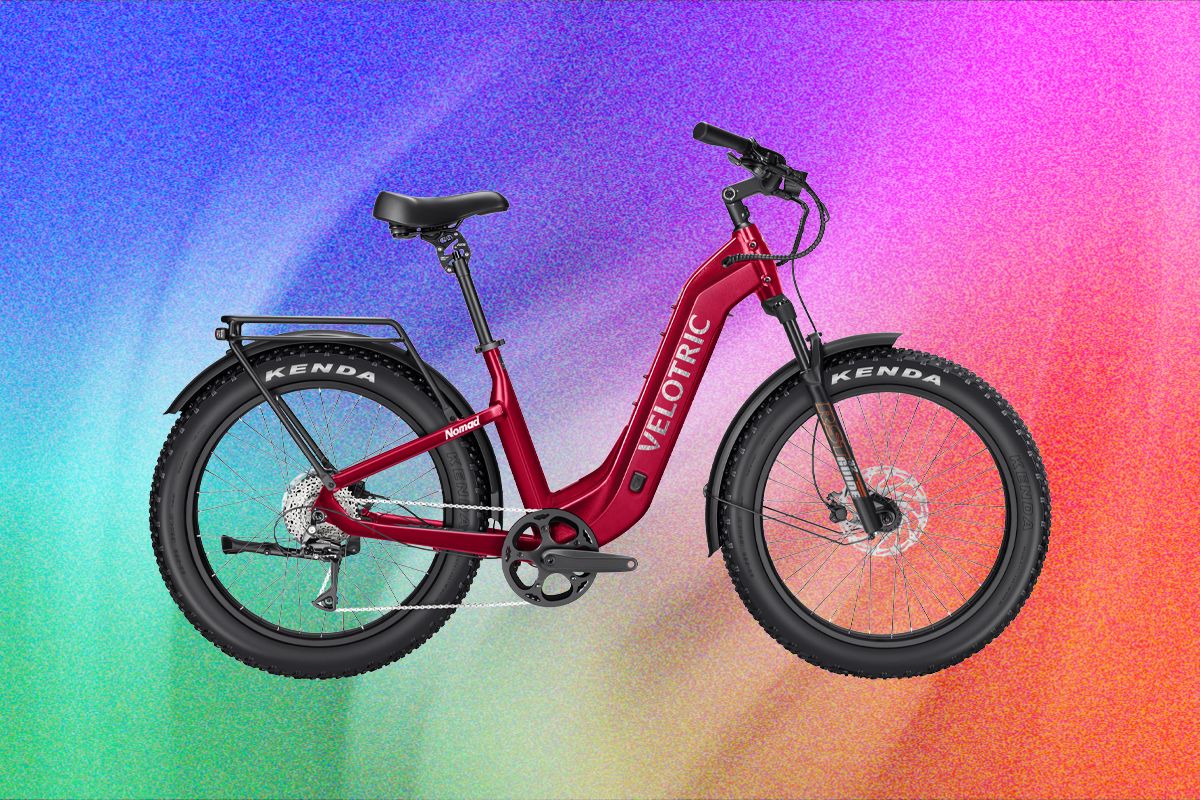
Urban Mobility Reimagined
With its massive 4-inch tires and a robust 750-watt motor, the Velotric Nomad 2 is designed to redefine urban commuting. As gas prices continue to climb and urban areas become increasingly congested, the practicality of an ebike like the Nomad 2 becomes apparent. Its ability to maintain a steady pace of up to 28 mph, once settings are adjusted, positions it as a serious contender in the transportation segment.
System Integration and Ease of Use
The seamless assembly process of the Nomad 2, requiring only 30 minutes from unboxing to first ride, demonstrates a trend towards user-friendly, digitally integrated transportation solutions. Its intuitive electronics, including a 3.5-inch full-color display screen, allow for easy toggling between various power and speed settings, minimizing the learning curve for new users. Such integration is becoming standard as personal vehicles evolve into intelligent systems.
Comfort and Performance
The bike’s comfort-forward design further exemplifies the move towards smarter mobility solutions. The wide seat and sturdy frame make long rides more enjoyable, absorbing the impact of urban and off-road environments alike. These features align with a broader pattern of enhancing user experience through design efficiency and technological integration.
Behavioral Adaptation and Infrastructure Implications
The Nomad 2 encourages a subtle behavioral adaptation among users, promoting a shift from traditional motor vehicles to modern ebikes for daily commutes. This transition indicates a gradual alignment with sustainable infrastructure initiatives and the rising acceptance of technology-driven personal transportation.
Automation Potential and Limitations
The automation capabilities of the Nomad 2, particularly its ability to handle various terrains and maintain speed without manual effort, reveal a significant reduction in physical strain. However, its 75-pound weight poses challenges related to portability and manual operation in case of battery depletion. These limitations highlight areas for further infrastructure development and innovation in urban mobility systems.
Signal Assessment: Automation Layer
The Velotric Nomad 2 ebike exemplifies a key transition point in the integration of automation within urban personal transportation. As cities evolve, the demand for seamless, sustainable, and user-friendly transportation solutions intensifies. The Nomad 2 underscores this shift by providing a tangible example of how automation is being layered over traditional mobility methods to enhance efficiency and reduce the ecological footprint.
Moving forward, the development of ebikes like the Nomad 2 will likely continue to play a pivotal role in shaping the transport infrastructure of cities worldwide. They are not only reshaping how individuals move but are also setting the stage for a deeper integration of digital and physical mobility platforms.
Monitoring continues.