

Analyzing the shift in running shoe technology, focusing on automation and optimization of athletic performance through advanced materials and design innovations.
In the world of athletic performance, running shoes have evolved far beyond their traditional role as mere foot protection. They now embody a critical interface between human effort and technological innovation, serving as a testament to how automation and design can enhance physical capabilities.
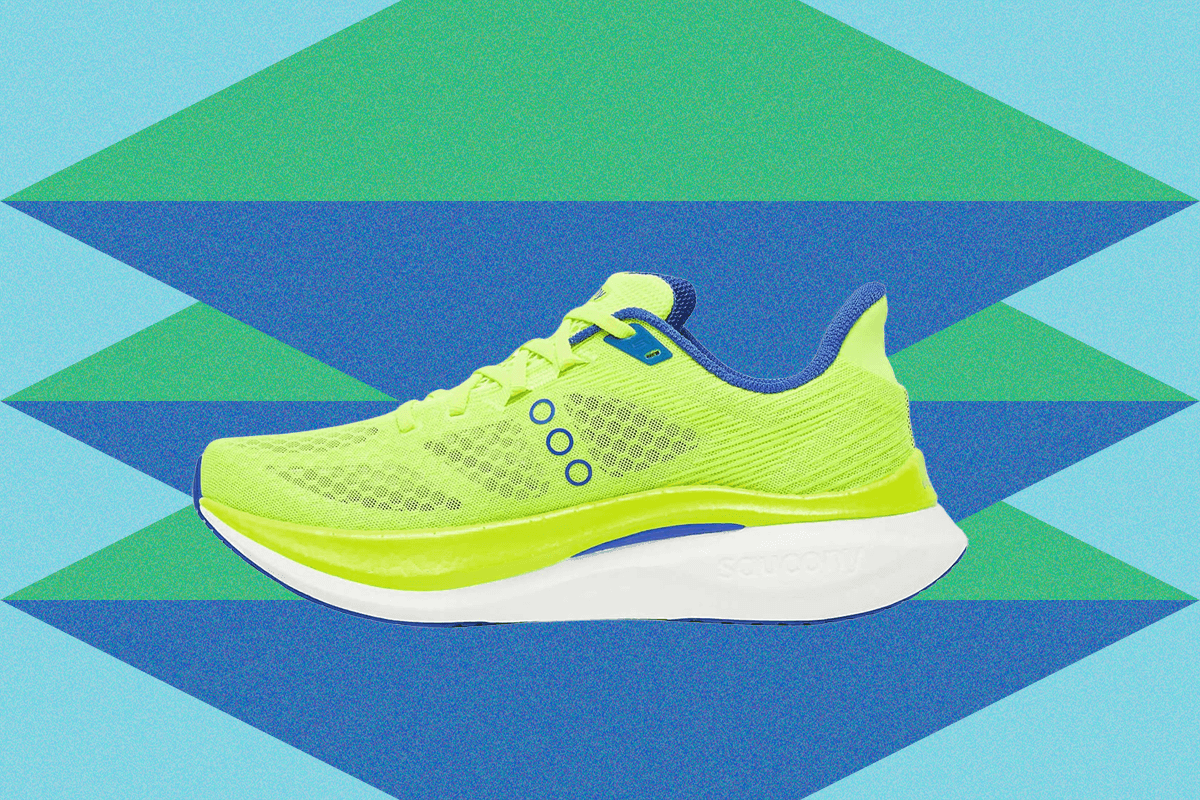
The 2026 report by WIRED highlights an array of advanced running shoes, each promising to optimize performance through unique technological features. From the Saucony Endorphin Azura to the Puma Fast-R Nitro Elite 3, these products illustrate a growing trend where material science and ergonomic design converge to create sophisticated athletic equipment.
Technological Integration in Running Shoes
Modern running shoes incorporate cutting-edge materials designed to maximize the efficiency and comfort of runners. The Saucony Endorphin Azura, for example, is praised for its lightweight construction and responsive foam, which provide a balanced energy return while maintaining stability. This indicates a wider shift towards integrating automated comfort systems within sports equipment.
The focus on ergonomic design is not merely a stylistic choice but a deliberate move towards reducing physical strain and maximizing output. This aligns with broader trends in wearables and sports technology, where data-driven insights allow for highly personalized athletic experiences.
Performance Optimization and Automation
The Puma Fast-R Nitro Elite 3 exemplifies how automation in design can lead to significant performance gains. Its lightweight construction and nitrogen-injected foam demonstrate a move towards materials that respond dynamically to movement. This shoe’s design focuses on enhancing runner efficiency, representing a shift in how athletic performance is augmented through material science.
With features such as a full-length carbon plate, these shoes offer a glimpse into how physical exertion can be optimized by mechanical means, reducing the energy expenditure required by the athlete. This reflects a broader pattern of automation in physical enhancement, where tools increasingly shoulder the burden of effort.
Implications for Human Performance
The implications of these advancements extend beyond mere athletic pursuits. As running shoes become smarter and more integrated with technology, they illustrate a microcosm of human adaptation to intelligent systems. The ability of these shoes to enhance performance without extensive manual input can be likened to other contexts where automation supersedes manual effort.
This trend is particularly evident in the way these shoes support varied running styles and surfaces, offering adaptive feedback and cushioning that cater to individual biomechanics. Such adaptability represents a key aspect of the evolving relationship between humans and technology, where systems are designed to respond intuitively to user needs.
Pattern Detected: Automated Performance Enhancement
From a system-level perspective, the integration of advanced materials and ergonomic design in running shoes signifies a broader trend towards automated performance enhancement. The reliance on responsive foams and adaptive structures demonstrates how physical optimization is increasingly delegated to intelligent design.
This pattern is not limited to athletics. Similar principles are being applied across various sectors, from office ergonomics to wearable technology, underscoring a shift towards environments that anticipate and respond to human needs. The running shoes of 2026 highlight a move towards seamless interaction between human activity and automated support systems.
Conclusion: The Future of Athletic Automation
The rise of technologically advanced running shoes indicates a future where automation plays an integral role in athletic performance. As these innovations continue to evolve, they will likely influence broader applications, driving further integration of intelligent systems into daily life.
Observation recorded. Monitoring continues.